
Elon Musk’s Neuralink Implants Brain Chip Into Second Human Patient
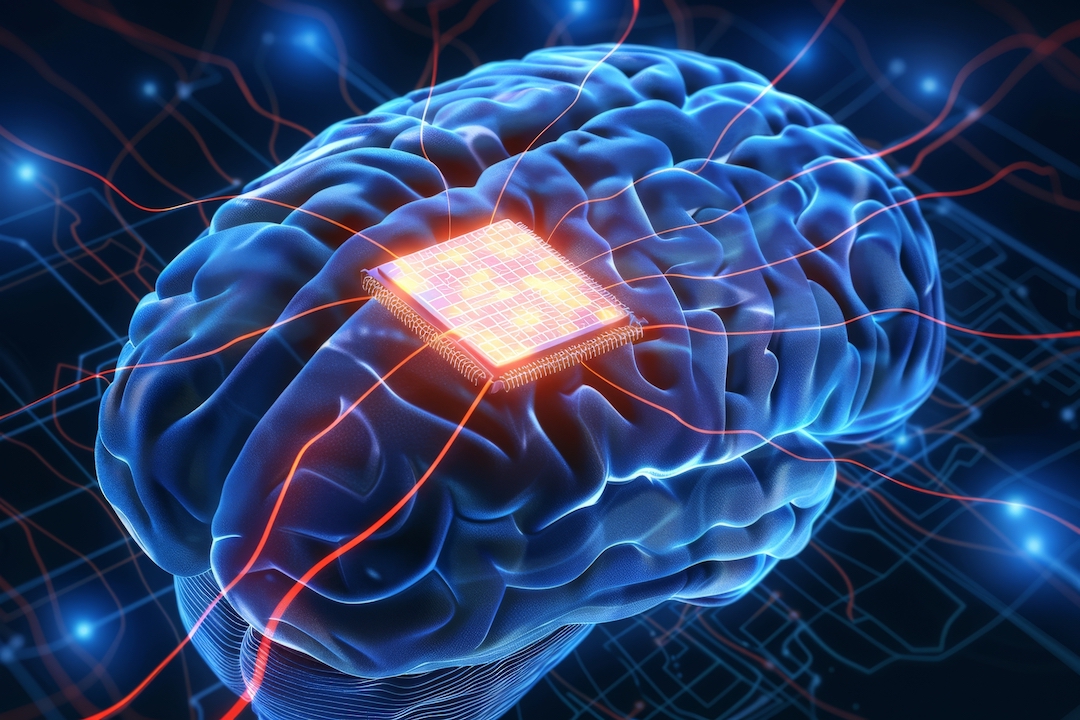
Photo 311754584 © Olga Demina | Dreamstime.com
Elon Musk recently revealed in computer scientist Lex Fridman’s podcast that a second person has received a Neuralink cybernetic implant, with his neurotechnology company pushing forward to help individuals with severe disabilities gain more independence.
The new patient now sports a cranial crown of 1,024 electrodes, with about 400 currently pulling their weight. These tiny tech tendrils are designed to monitor and interpret brain activity, potentially allowing users to surf the web and play video games using nothing but their thoughts.
“I don’t want to jinx it but it seems to have gone extremely well with the second implant,” Musk said. “There’s a lot of signal, a lot of electrodes. It’s working very well.”
This latest implantation follows the company’s initial foray into the human brain in January this year. However, the road to merging minds and machines hasn’t been without its bumps. The first patient, 29-year-old Noland Arbaugh, experienced some setbacks when many of the implanted electrodes became displaced. In fact, only about 15% of the electrode-bearing threads continued to function properly. Neuralink has adapted its approach by planting the electrodes deeper into the brain for better stability and tweaking its decoding algorithm to make the most of the available data.
Arbaugh’s experience has been a mix of highs and lows, but his attitude remains positive.
Looking ahead, Neuralink has set its sights on implanting its device in up to eight more patients by the end of 2024.
[via The Standard, Nature, Engadget, USA Today, cover photo 311754584 © Olga Demina | Dreamstime.com]


