
Frank Lloyd Wright’s Only Skyscraper Might Tumble As Its Fate Is In Crisis
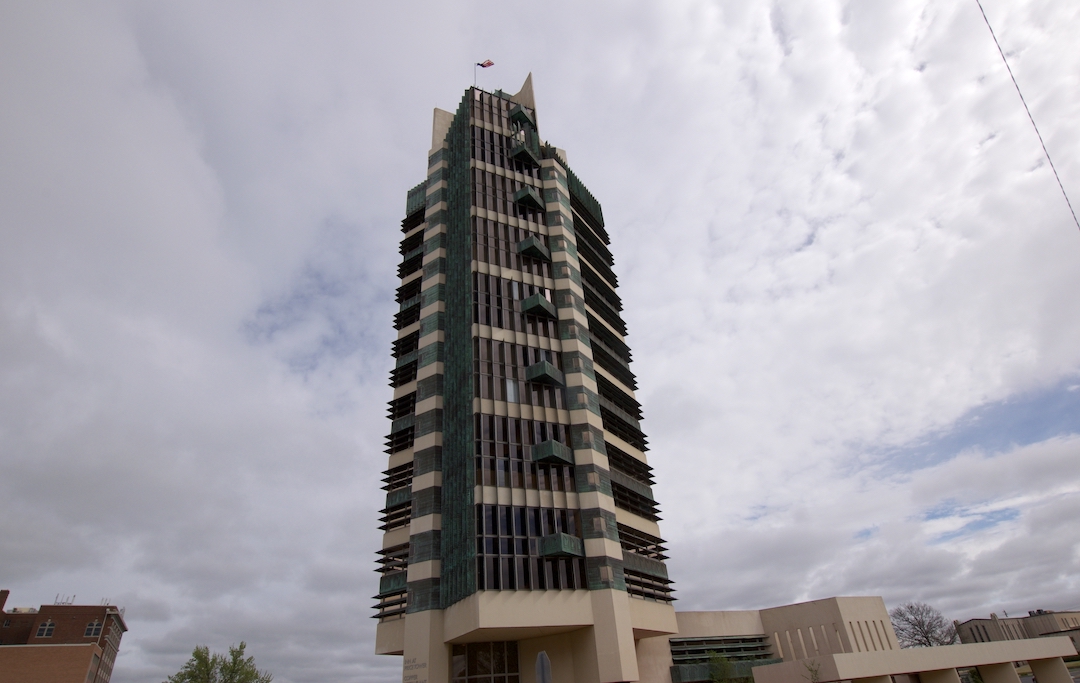
Photo 160493098 © Thomas Lohr | Dreamstime.com
Frank Lloyd Wright’s only built skyscraper, the iconic Price Tower in Bartlesville, Oklahoma, is teetering on the edge of an uncertain future.
Known for its unique tree-like design, the 19-story building has seen more turbulence than triumphs in recent years. Despite bold plans to reinvent it as a tech hub, the grand visions of its current owners, cryptocurrency entrepreneurs Cynthia and Anthem Blanchard, have so far failed to take root.
The Blanchards, who acquired the tower for just $10, intended to inject $10 million into transforming Price Tower into a tech-centric space, drawing startups and innovators to what they hoped would become “Silicon Ranch.” The plan was to blend Wright’s architectural masterpiece with cutting-edge technology, creating co-working spaces, tech incubators, and office areas that would attract entrepreneurial minds to Bartlesville. However, the financial backing for this vision never materialized, leaving the building's future in limbo.
What began as an ambitious dream has since spiraled into controversy. Besides being unable to secure the investment, the Blanchards found themselves in hot water after selling off Wright-designed furniture from the building to a Dallas-based dealer. This move violated the preservation agreement tied to Price Tower, which prohibits the sale of its heritage items without approval from the Frank Lloyd Wright Building Conservancy.
As a result of these challenges, many of the tower’s tenants, including its hotel, restaurant, and arts organizations, have been forced to vacate, leaving the building eerily empty.
Wright’s vision for the Price Tower was rooted—quite literally—in nature. He designed the structure to resemble a “tree that escaped the crowded forest,” with its core “trunk” formed by four elevator shafts that anchor the entire building. From this central spine, 19 floors of cantilevered concrete branch out, allowing the exterior walls to be free from bearing any structural weight. Instead, these outer walls act as decorative elements, adorned with intricate patinated copper “leaves” and gold-tinted glass that gave the building a striking and unconventional look.
The materials the architect chose for the Price Tower were also innovative for the time. Cast concrete walls and pigmented concrete floors form the foundation, while aluminum-trimmed windows and doors create sleek lines throughout.
Inside, Wright’s plan was just as forward-thinking. The Price Tower was designed to house offices, apartments, and retail spaces all under one roof—a mixed-use concept that was quite ahead of its time. This idea of creating a self-sustaining community within a single structure was part of Wright’s larger philosophy, blending functionality with organic architectural design.
View this post on Instagram
The Frank Lloyd Wright Building Conservancy has expressed concern over the structure’s future, with fears that an unoccupied Price Tower could lead to infrastructure issues and security risks. An empty building is “more prone to risk” as its infrastructure is left without supervision and is vulnerable to security threats, John Waters, the Conservancy’s Preservation Programs Director, tells Artnet News.
Rumors have swirled that the Blanchards may be looking to sell the building. The tower, designated a National Historic Landmark in 2007, now faces the potential threat of falling into neglect.
[via New York Times, Art Daily, Artnet News, images via various sources]


