
Canva Clicks Into Imperfect Details For 2026 Design Trend Predictions
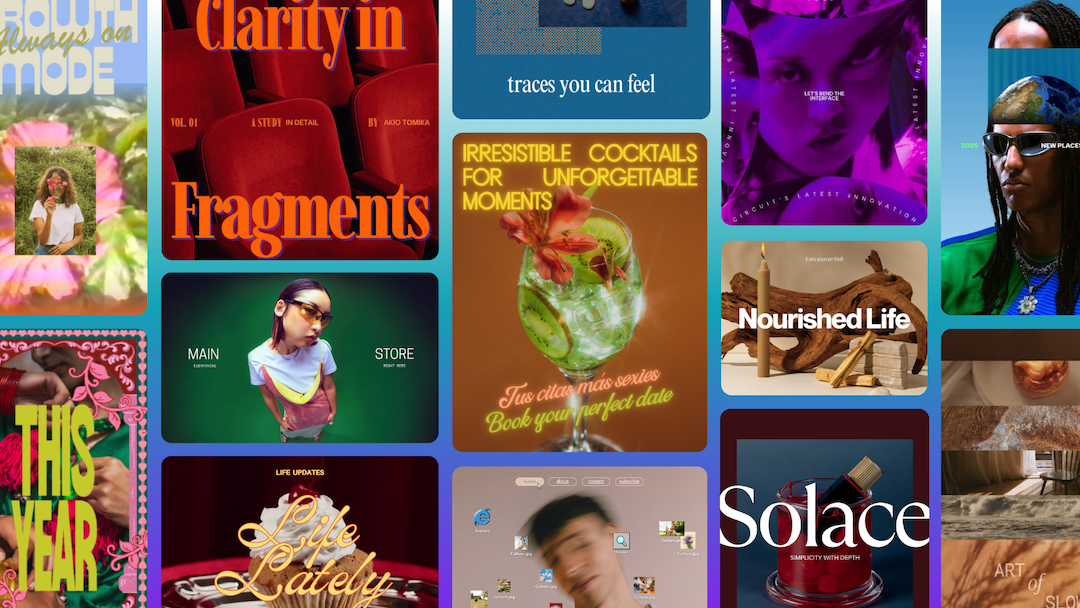
Image courtesy of Canva, featured with permission
If the past few years were about mastering the tools, the next one is about leaving your fingerprints all over the work, according to Canva’s design trend predictions. For 2026, polish takes a back seat to personality, neat grids loosen up, and creative control slips back into human hands.
Call it rough around the edges or perfectly imperfect, but design is looking to get more personal and more expressive without the obsession of looking flawless. Drawing on activity from millions of users, billions of designs, and fresh input from creators across the US and Brazil, the platform’s latest Design Trends Report maps out 10 shifts shaping visual culture in 2026. Get acquainted with all of them below.
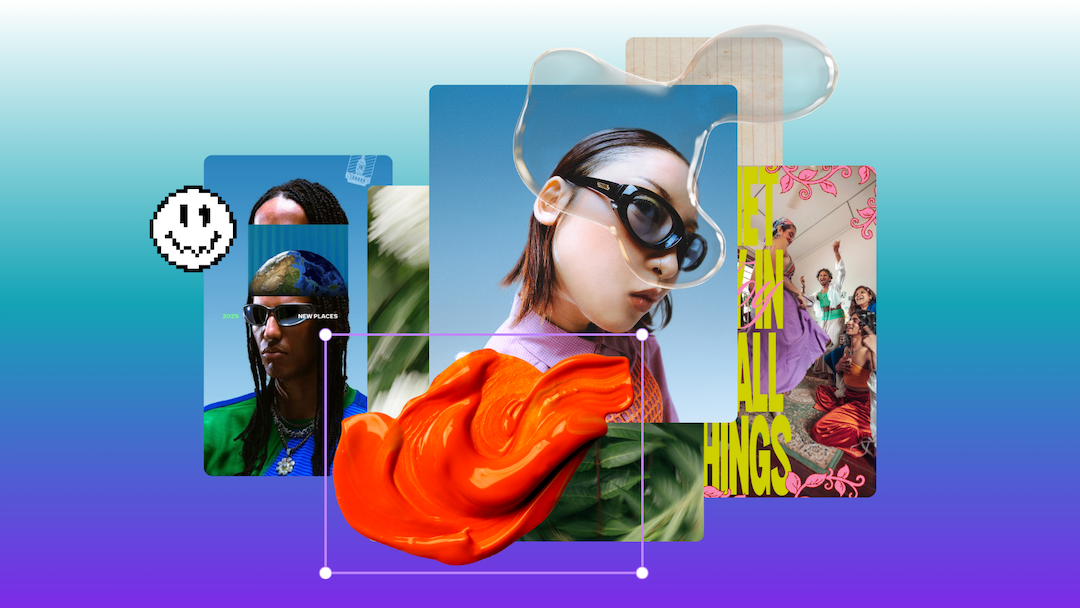
Image courtesy of Canva, featured with permission
1. Reality Warp
Creatives are leaning into visuals that feel slightly off, intentionally blurring what’s real and what’s imagined. Interest in “liminal” and “uncanny” imagery has jumped 220% year over year, reflecting a growing appetite for work that sits in the uncomfortable space between familiar and surreal.
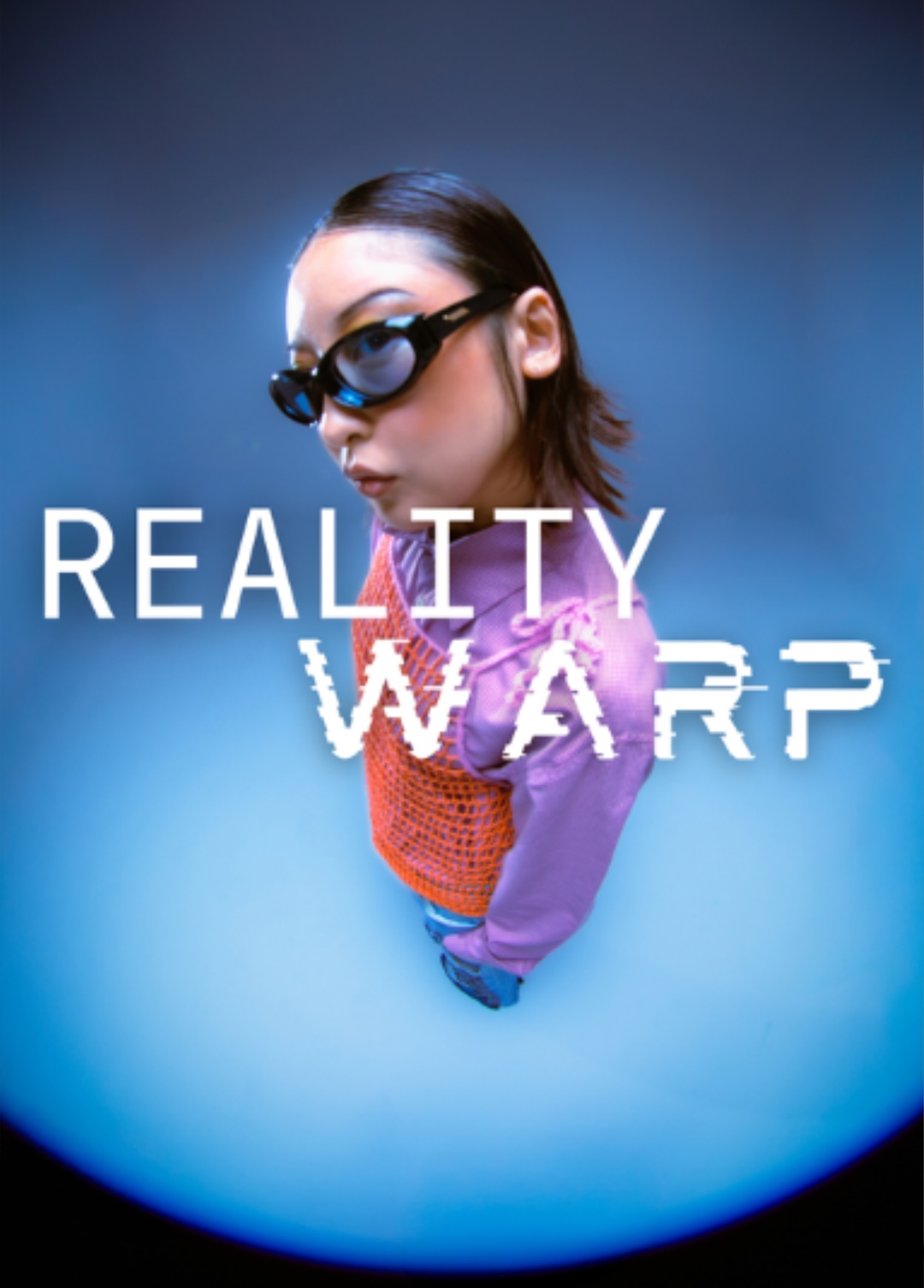
Image courtesy of Canva, featured with permission
2. Prompt Playground
Early internet energy is back, but filtered through today’s tools. This trend favors experimentation, emotional impact, and playful references to retro tech, fragmented interfaces, and lo-fi visuals. Searches tied to lo-fi aesthetics have surged by 527% as creators chase mood over perfection.
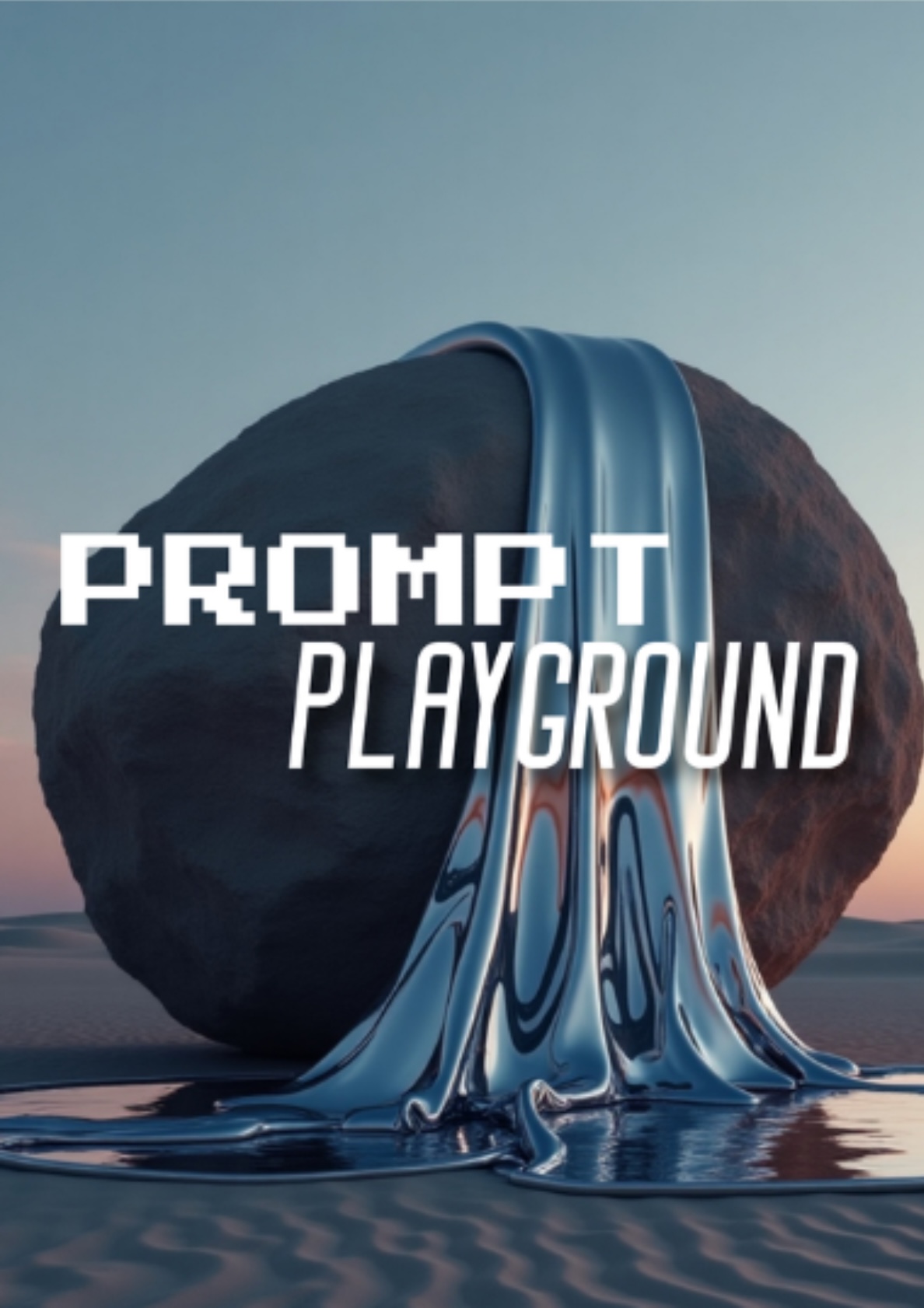
Image courtesy of Canva, featured with permission
3. Explorecore
As feeds get noisier, layouts are slowing down. Inspired by zines and Substack-style publishing, Explorecore favors editorial pacing, thoughtful spacing, and designs that encourage lingering rather than scrolling. Searches for these formats are up 85% as creators look for calmer ways to tell stories.
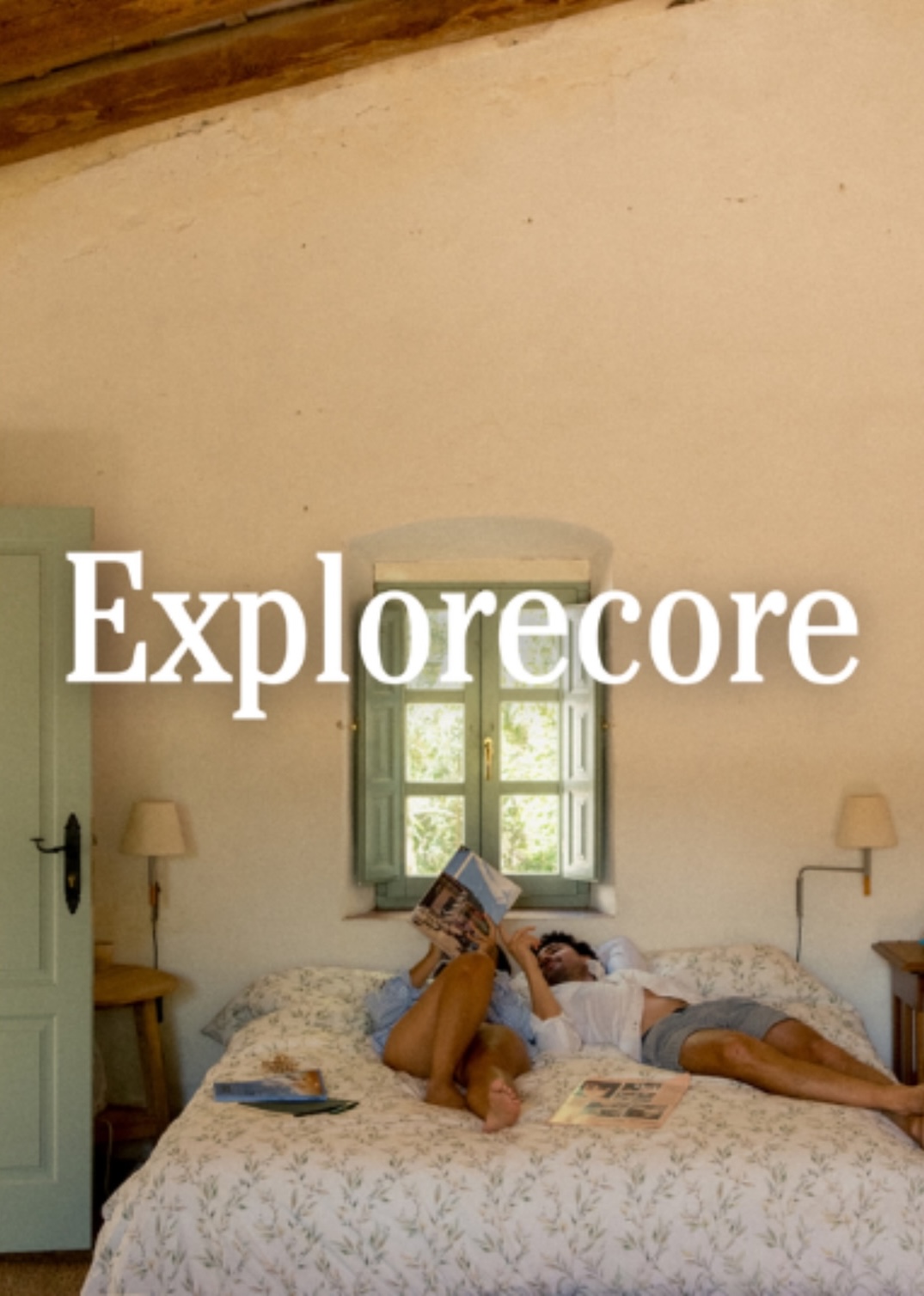
Image courtesy of Canva, featured with permission
4. Texture Check
Surfaces are doing more of the talking. From glassy finishes to waxy or tactile-looking materials, hyper-real textures are becoming focal points in design. Canva reports a 30% rise in searches linked to textured and material-driven visuals.
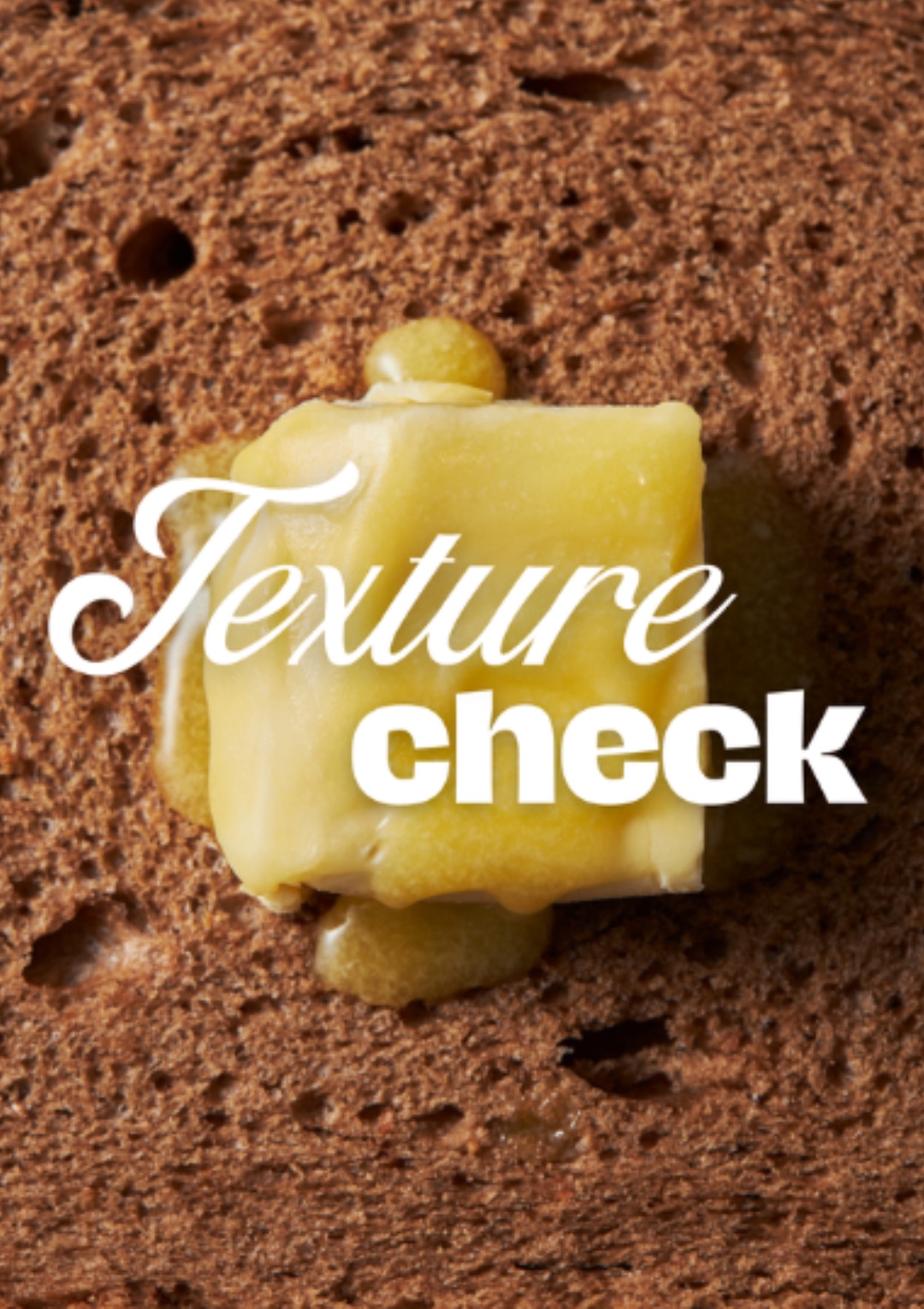
Image courtesy of Canva, featured with permission
5. Notes App Chic
Messy is meaningful again. Scrapbook layouts, rough collages, and behind-the-scenes visuals are gaining traction, alluding to a move away from overly polished outcomes. DIY and collage-inspired searches have risen 90%, pointing to a preference for progress over perfection.
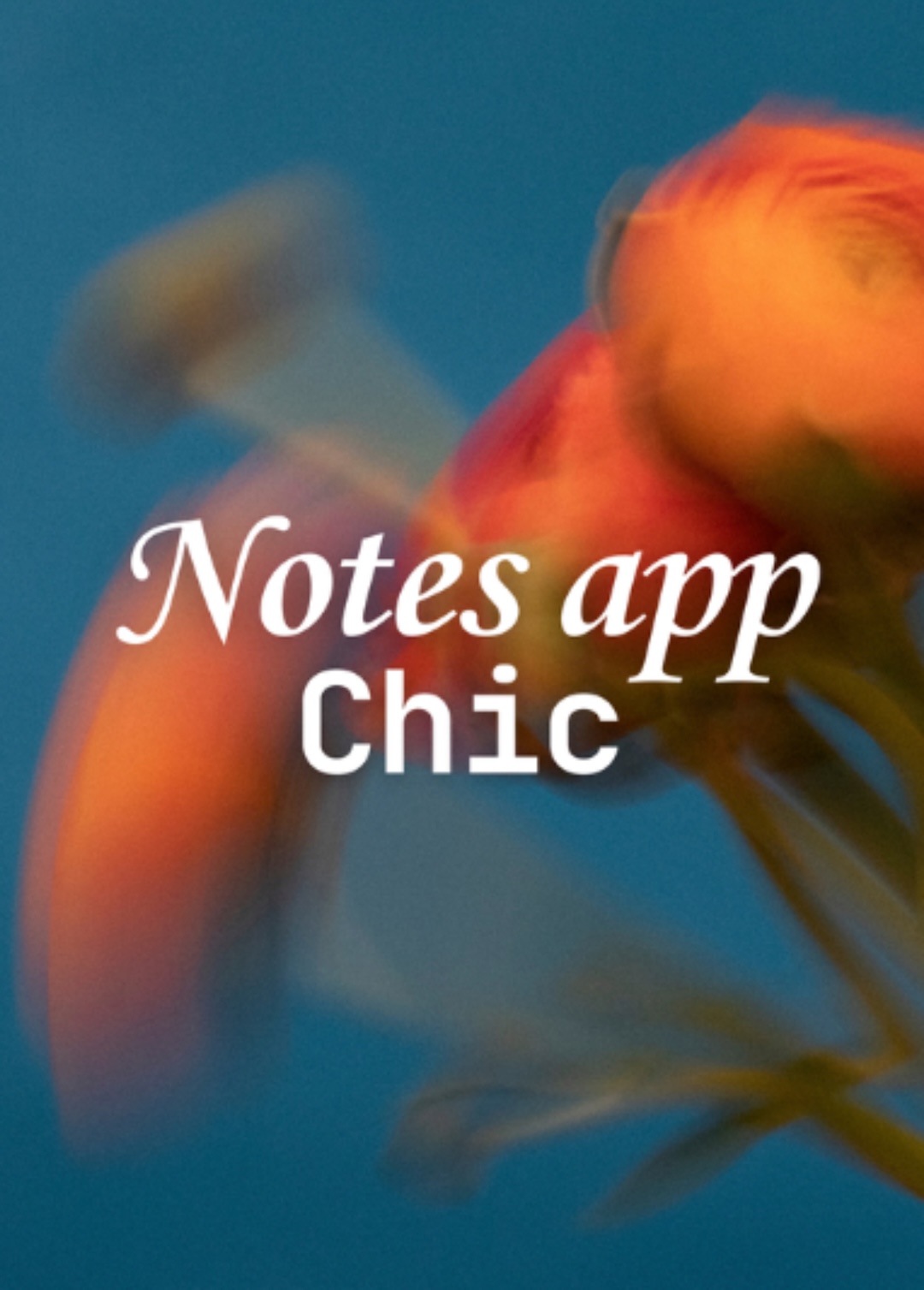
Image courtesy of Canva, featured with permission
6. Opt-Out Era
Minimalism hasn’t disappeared; it’s just matured. This trend strips visuals back to their essentials, favoring clean layouts, serif type, and simple branding choices. Searches connected to pared-back design are up 54% as audiences respond to restraint.
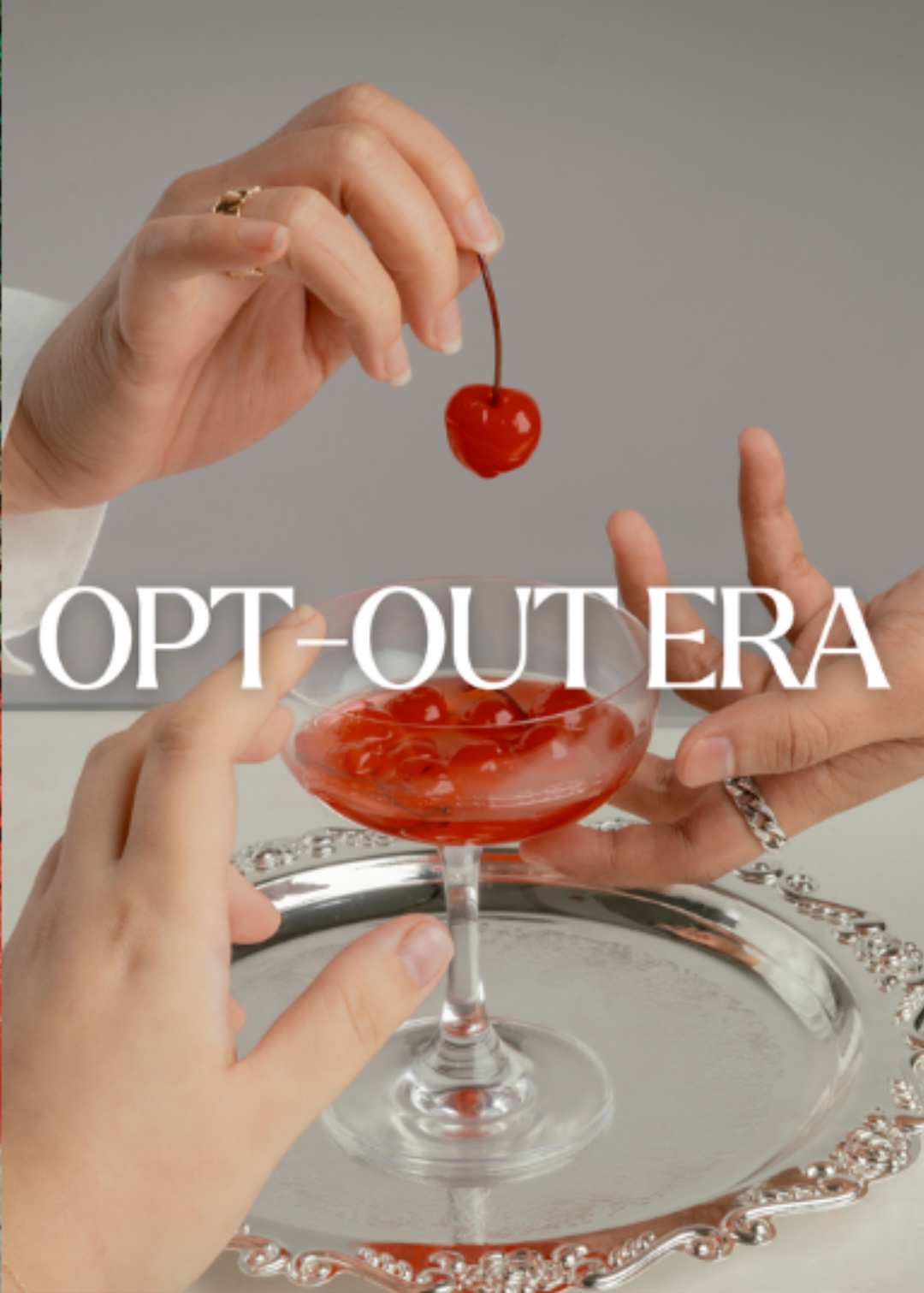
Image courtesy of Canva, featured with permission
7. Drama Club
Subtlety takes a break as creators embrace theatrical storytelling. Cinematic lighting, emotional framing, and high-drama references are shaping everything from social posts to video content. Interest in dramatic visual cues has climbed 27%, reflecting a renewed love for narrative flair.
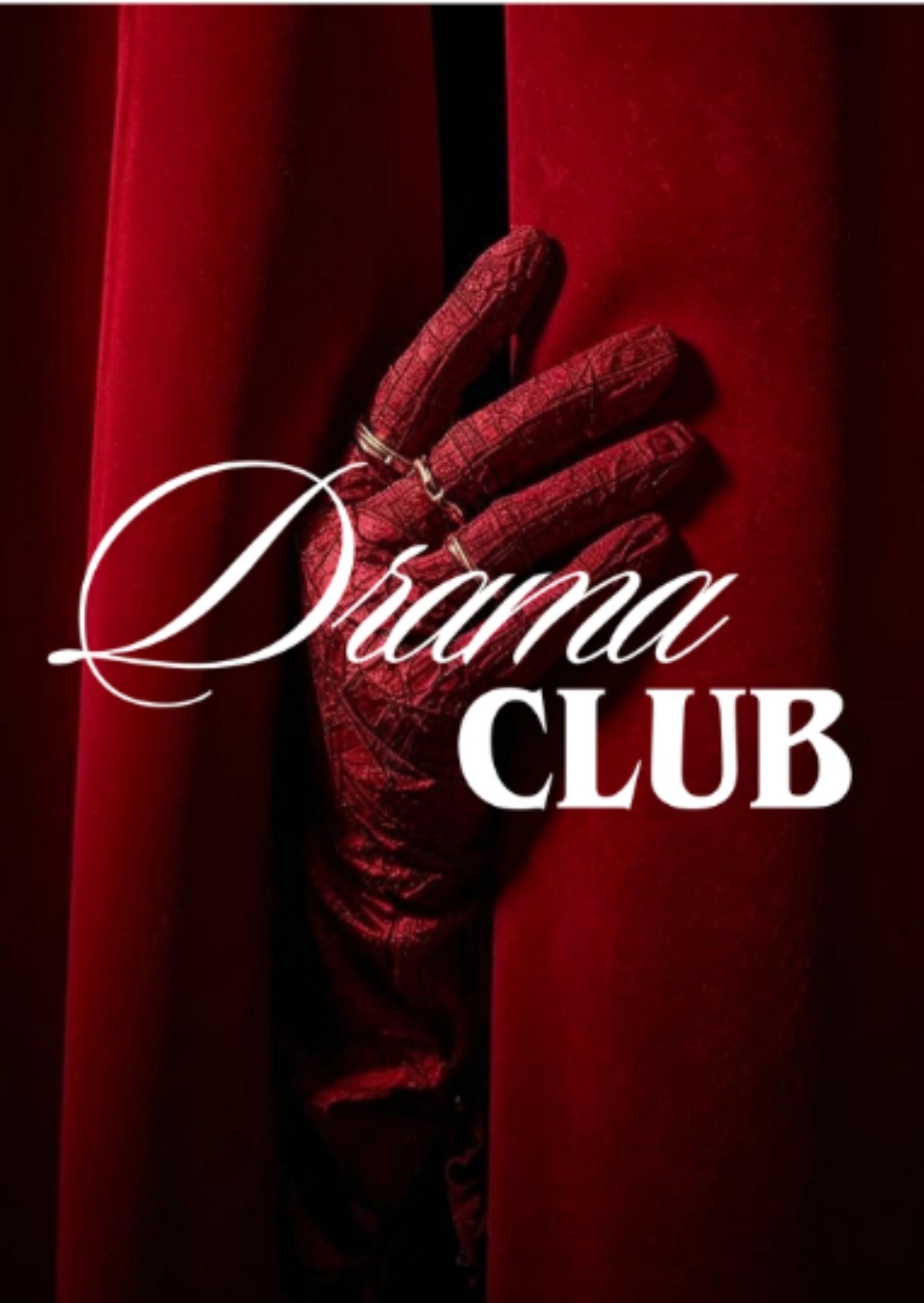
Image courtesy of Canva, featured with permission
8. GrannyWave
In India, nostalgia is fueling a return to heritage-rich design. Traditional patterns, festive color palettes, and Bollywood-inspired visuals are reappearing, with searches for “Desi” aesthetics and Hindi typography growing by 26% and 17% respectively.
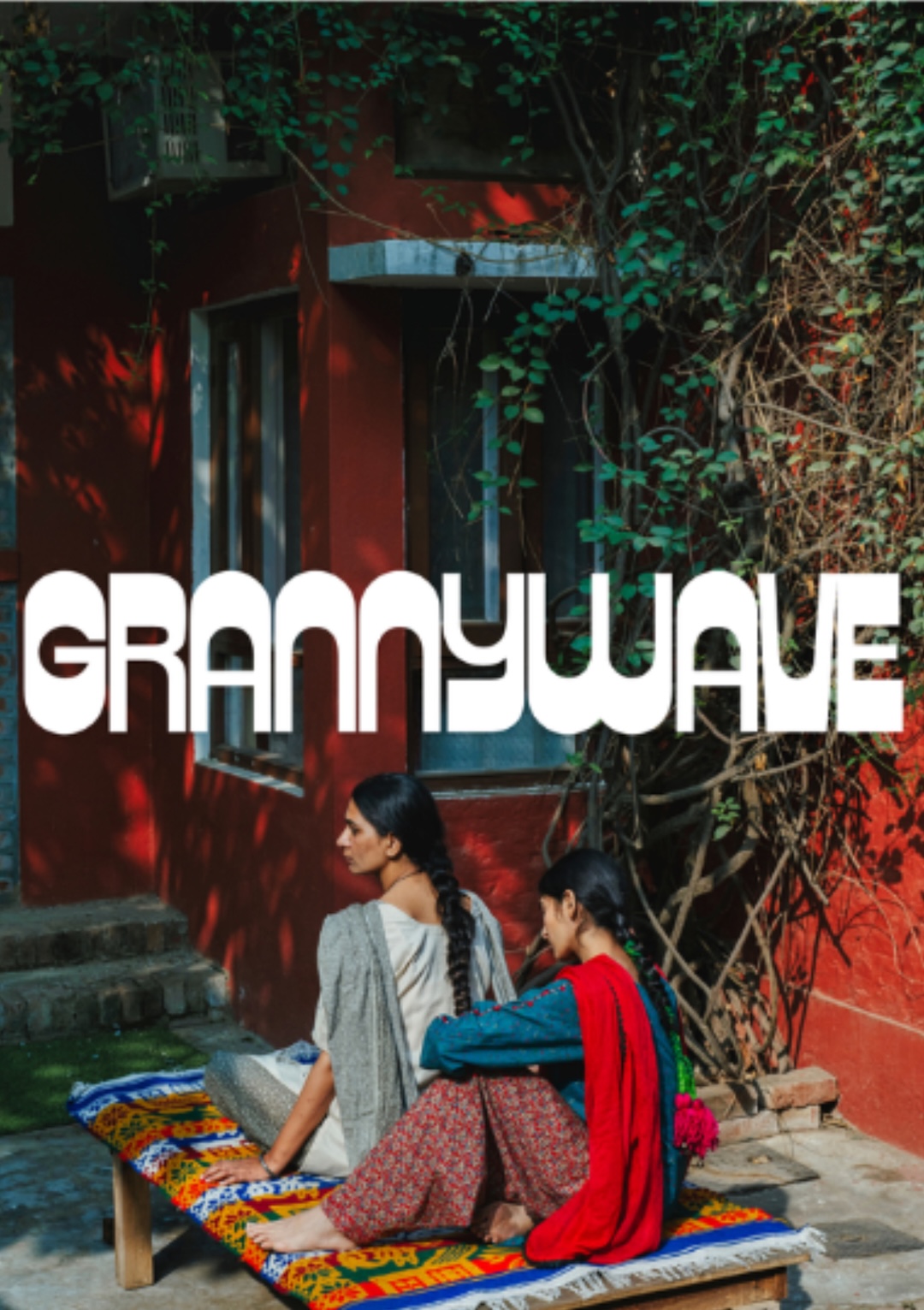
Image courtesy of Canva, featured with permission
9. Zinegeist
Mexico’s creators are turning up the volume on DIY culture. Collaged compositions, raw textures, and bold, oversized type dominate this trend, which pushes back against sleek digital sameness. Related searches, including brutalist design and type posters, are up 77% year over year.
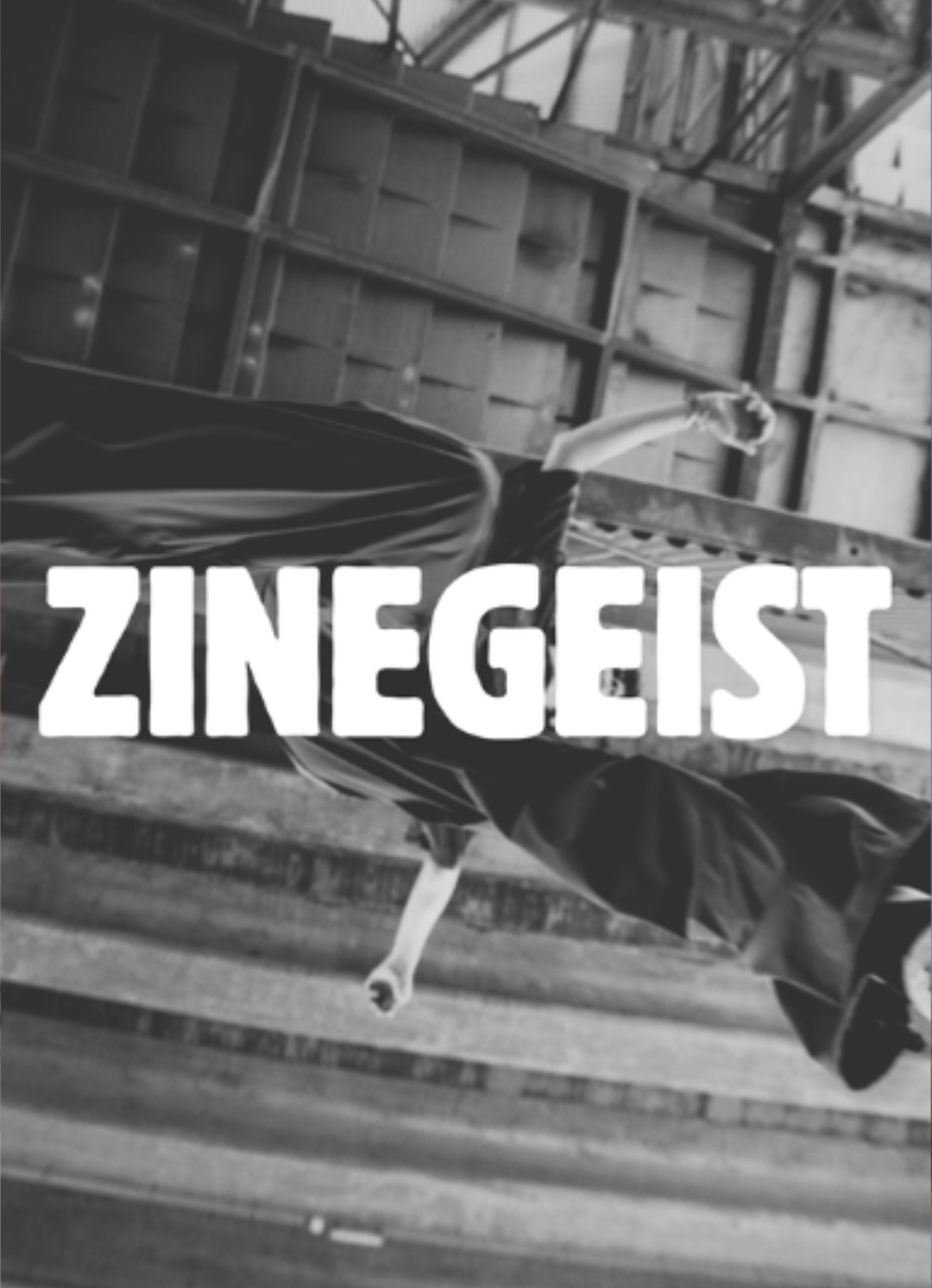
Image courtesy of Canva, featured with permission
10. Block Party
Spain’s creative scene is blending old and new, mixing folklore, everyday rituals, and vintage tones with contemporary design sensibilities. Styles tied to traditional and urban folklore have reached 1.5 million impressions, highlighting a warm, community-driven approach to nostalgia.
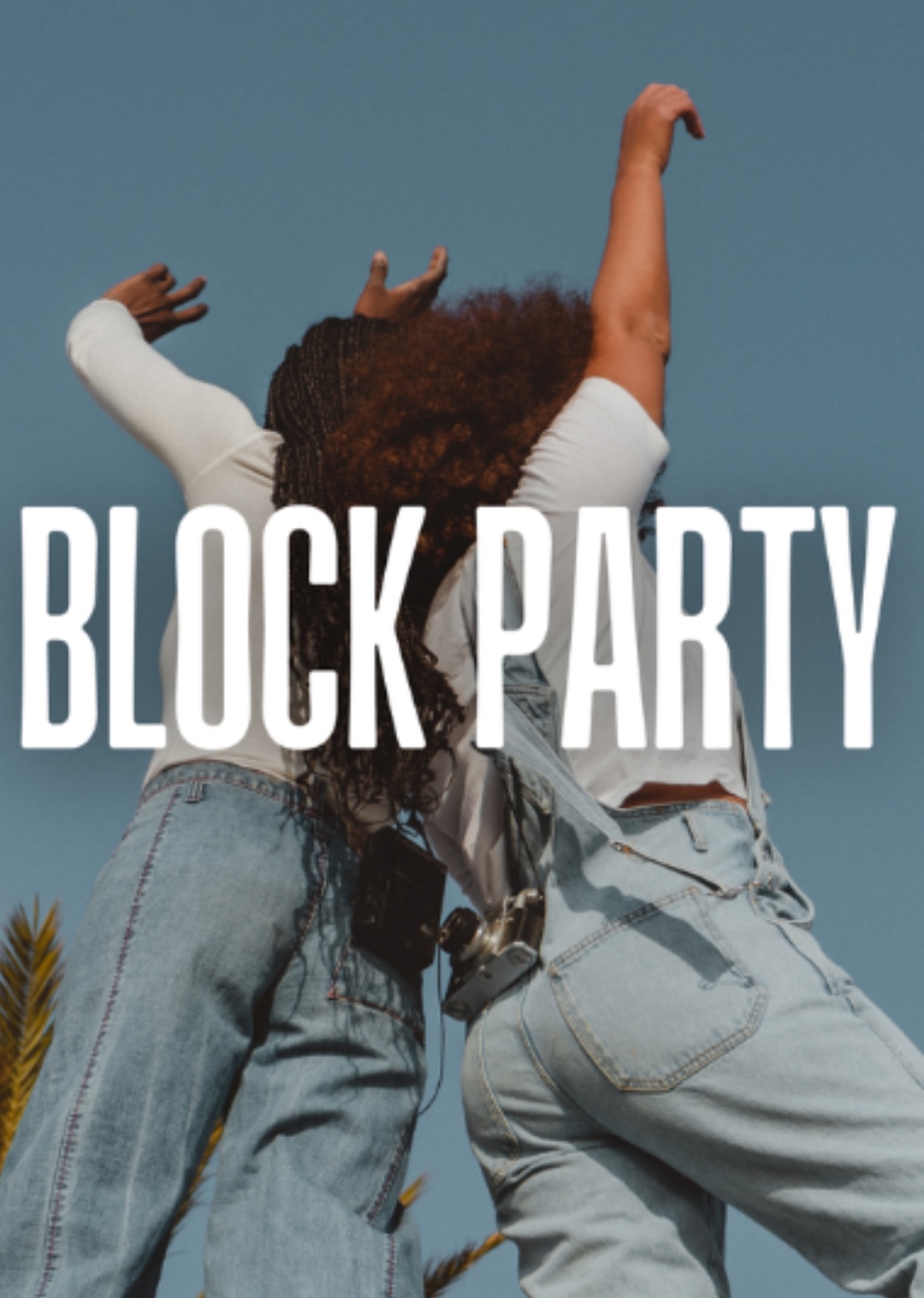
Image courtesy of Canva, featured with permission
Creators are experimenting freely, borrowing from early internet aesthetics, editorial layouts, cultural nostalgia, and cinematic drama, while also pulling back when things feel too loud or too artificial. The edges show, the tools stay visible, and the human touch is no longer something to hide.
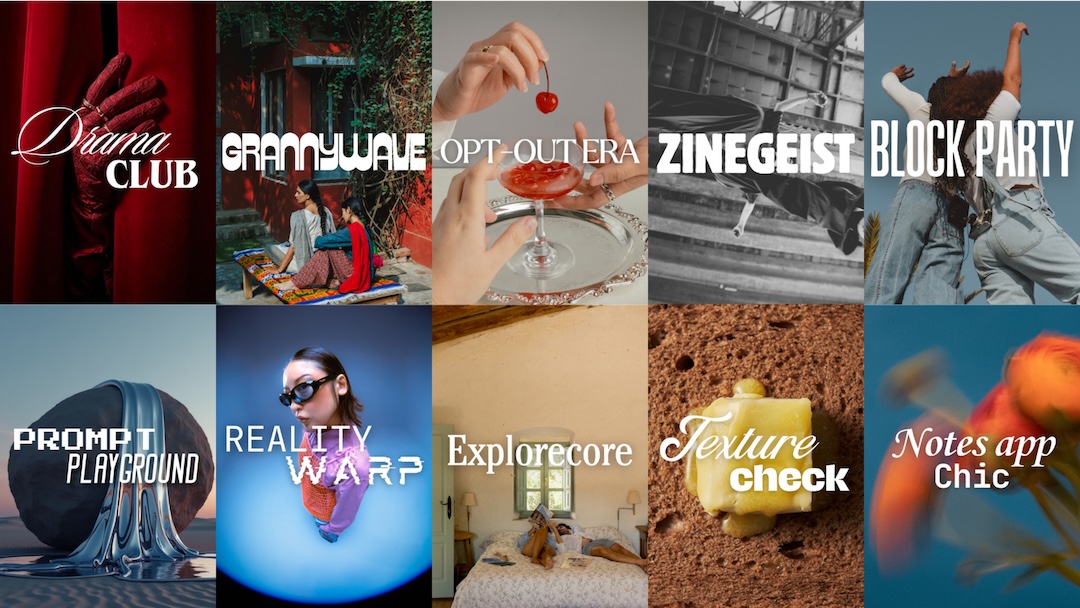
Image courtesy of Canva, featured with permission
[via Canva, images courtesy and featured with permission]


