
Believe It Or Not: Japan’s Bureaucrats Are Only Just Giving Up Floppy Disks
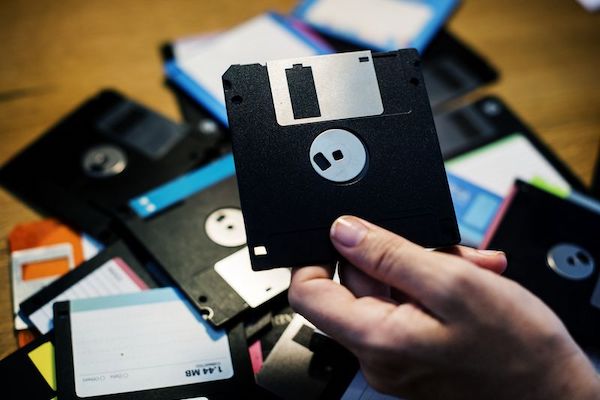
Image ID 1609291 © via Feng Yu | Dreamstime.com
As it turns out, Japan’s government has yet to bid goodbye to floppy disks, which the rest of the world is thought to have been left behind sometime in the 2000s.
In a bid to modernize the system, bureaucrats in Tokyo are finally moving data from physical floppies to online repositories. Meguro Ward is leading the charge, with plans to digitize all files by 2021, while Chiyoda Ward is scheduled to do the same within the next few years.
Interestingly, not everyone is welcoming of the change. Older officials, such as Yoichi Ono from Meguro Ward, see the disks as a reliable method of storing important documents, claiming they almost never break. The office still transports 3.5-inch floppies to the bank every month, in order to process employee payments.
Even more bizarre is the fact that it’s incredibly difficult to get your hands on disks in this day and age. According to Nikkei Asia, Sony stopped making floppies as long as a decade ago. Despite the lack of physical storage methods available in real life, it seems the system is still alive and thriving in Japanese offices.
However, it seems even those who are fond of floppy disks will have to bid farewell to them soon. The change comes as establishments, such as Mizuho Bank, have introduced a 50,000 yen (US$440) charge each month to process physical storage media.
The bank said it felt online banking was a more convenient alternative to maintaining disk readers, which aren’t as efficient, and also run the risk of data loss. For the government, paying an additional US$5,000 a year just to run floppy disks doesn’t seem to be worth it, either.
Unfortunately, if constituents are looking forward to a seamless, post-digital age in which they can submit applications to wards online, that might still be some ways off. Chiyoda Ward Accounting Chief, Shogo Hoshina, said: “There are a lot of little things that need to be handled in fine detail.”
Though it may take a few years before the Japanese government is able to digitize contracts, at the very least, it’s taking the first step to end the use of floppy disks, and leave the 00s in the past where it belongs.
[via Nikkei Asia, cover image via Feng Yu | Dreamstime.com]
Also check out these recent news


