
MIT Researchers Invent Surgery Robot That Can Treat Stroke Patients Remotely
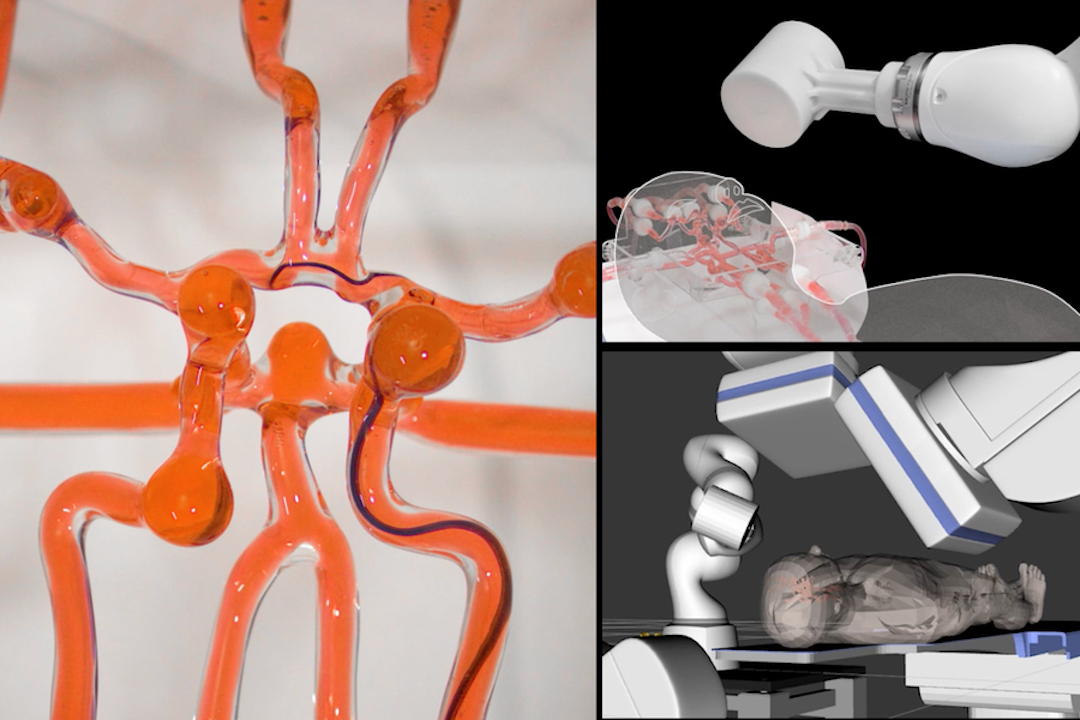
Engineers at the Massachusetts Institute of Technology (MIT) have developed an incredible breakthrough in remote telemedicine: a robotic system that can treat patients experiencing a stroke or aneurysm on behalf of a surgeon.
Just by moving a joystick—not the same one on your gaming console, of course—doctors in a hospital miles away can control the robotic arm at a patient’s location to administer life-saving measures that could minimize brain damage during critical moments.
Using magnets to control the movements of the robot, physicians will be able to perform an endovascular intervention remotely, a medical procedure used in emergency situations to treat strokes resulting from a blood clot.
According to the team, this innovation could be a key difference during the “golden hour,” an important period just after a stroke’s onset in which the patient must be treated for the best chances of survival and recovery.
As such, instead of having to drive a patient from a rural town to a large medical center in the city, the robotic arm could be placed at local hospitals where nurses could set up the system to be controlled by more experienced surgeons elsewhere.
While there’s still a ways to go, the researchers have successfully tested the system using a life-sized silicone model of blood vessels, managing to perform the procedure remotely via a live feed.
“We are truly excited about the potential impact of this technology on global health, given that stroke is one of the leading causes of death and long-term disability,” said Xuanhe Zhao, Professor of Mechanical Engineering at MIT.
Could remote medical procedures be the way forward to ensuring more people receive urgent care whenever, wherever? Check out the robotic system in action below.
[via New Atlas and Massachusetts Institute of Technology, cover image via Massachusetts Institute of Technology]


