
Exoskeleton For Wheelchair Users Empowers Them With The Ability To Walk
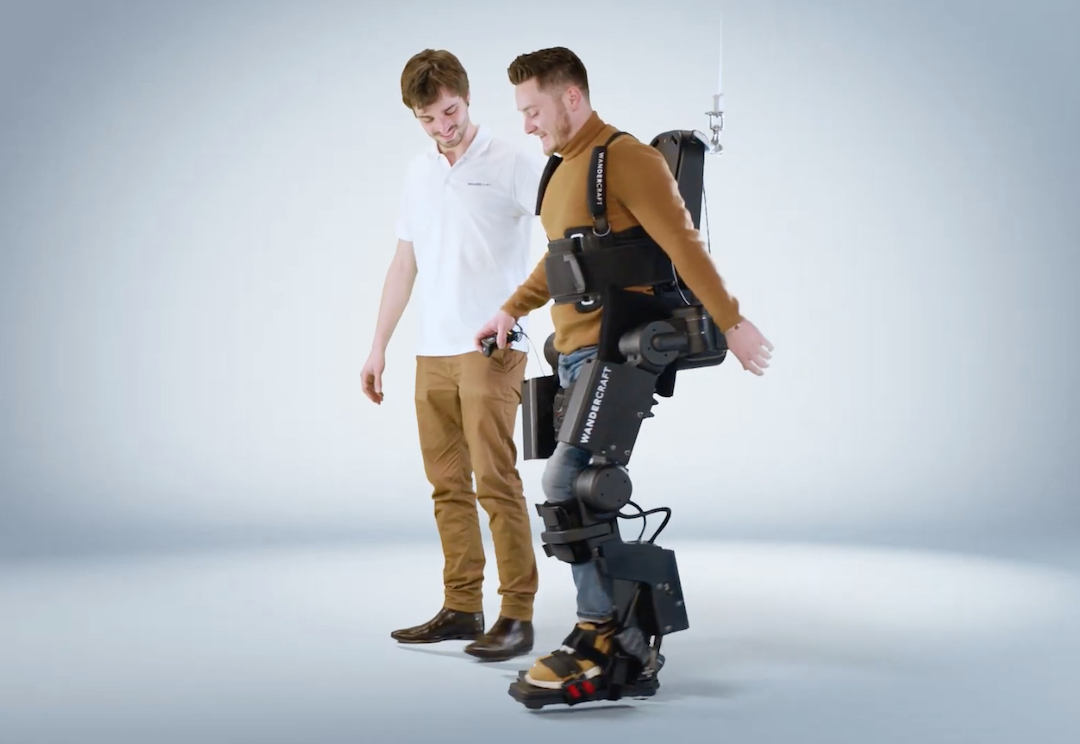
Video screenshot via Wandercraft
For most, standing up and walking to their kitchen to grab a snack are actions that come without a second thought. That’s not a given for people in wheelchairs, however.
Kevin Piette was once a part of the latter group. 10 years ago, he was in a road accident that caused his legs to lose their ability. Today, with the help of a robotic exoskeleton by French company Wandercraft, he is able to stand up, walk, reach into his cupboard, and even cook, he shared with Euronews recently.
Wandercraft, founded by three engineers in 2012, has a mission to enable “ordinary life for extraordinary people.”
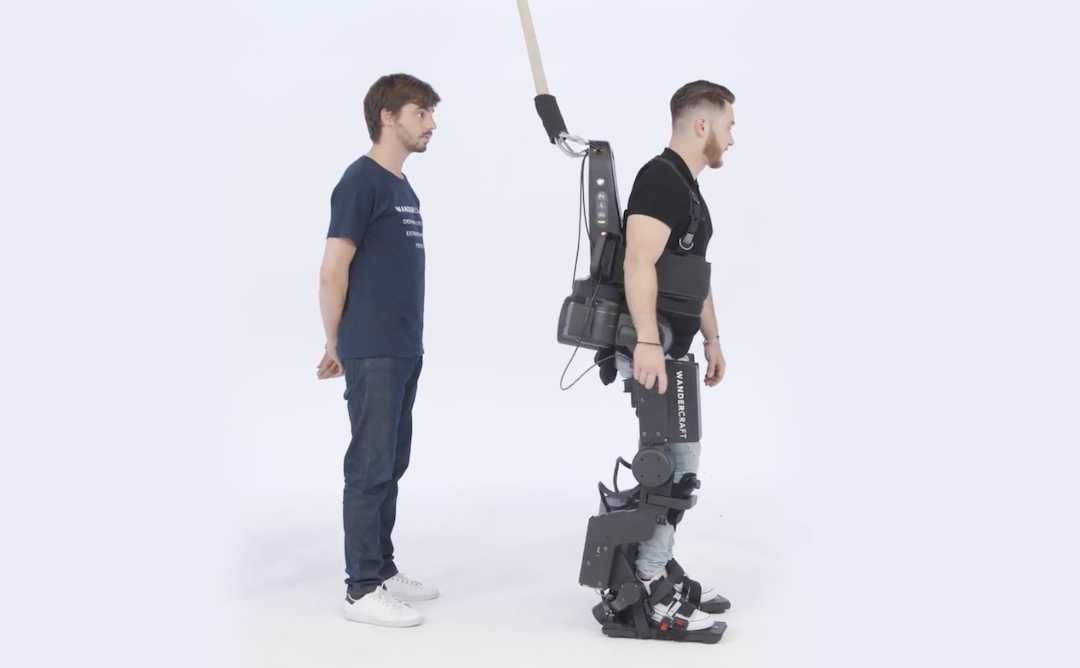
Video screenshot via Wandercraft
In December, the company raised US$45 million in funding to design the world’s first personal self-balanced exoskeleton that can be worn outside too.
Co-founder Jean-Louis Constanza told Euronews that he doesn’t perceive the wheelchair as a handicap. It’s “a tool of freedom,” and the exoskeleton is just another tool to accommodate people who wish to walk again.
The suit, called ‘Atalante’, is built with 12 motors—six at the hips, two at the knees, and four attached to the ankles—for movements to be more fluid.
Piette, who was enlisted by the engineers to test their product, said he was finally able to get into an upright stance that he’d “actually forgotten about.” Standing up—even for the first time in years—was easy, comfortable, and quiet, he reported. He can put on the device without help within a couple of minutes.
Hospitals are currently using the latest model, ‘Atalante X’, for patients in rehabilitation. The exoskeleton is controlled by the user from a remote control, and a sensor situated at the back is activated by upper-body movements.
For now, this exoskeleton can only be used indoors, but the company is working to build one that is safe for navigating the world outside. It will be autonomous, hands-free, and less bulky. As with autonomous cars, however, this will come with risks that developers will have to sort out.
Still, Piette is hopeful about using the more advanced exoskeleton one day. He’s looking forward to walking home by himself.
[via Euronews and The Robot Report, images via Wandercraft]


