
Dove Deepfakes Moms To Shine A Light On Toxic Things Influencers Promote
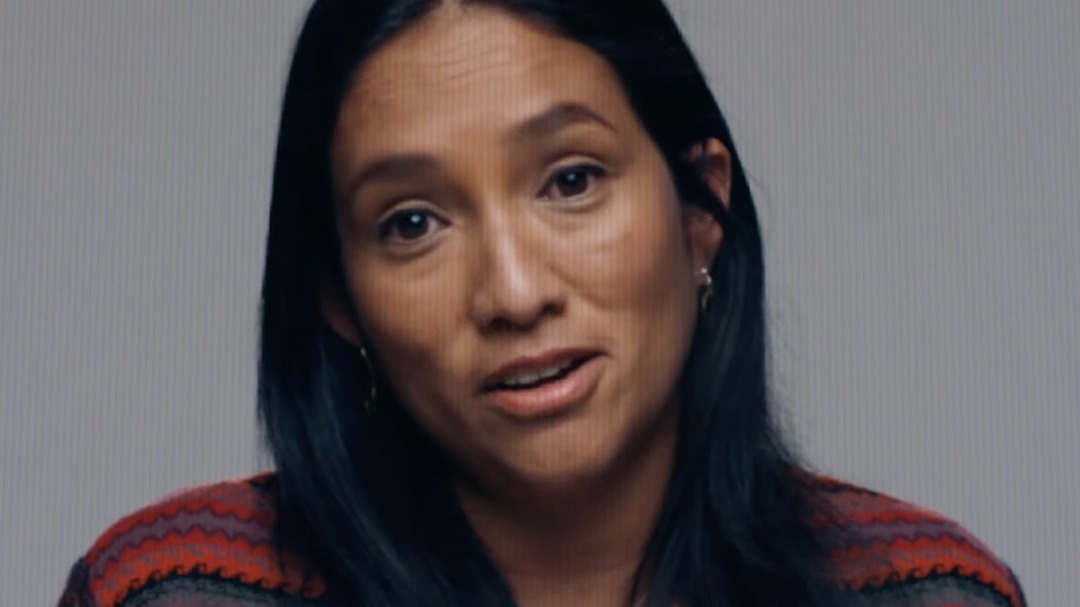
Video screenshot via Dove
Filing down your teeth, taking appetite suppressants, and plumping up lips using filler kits are just a few of the suggestions shared with girls on social media that claim to make them prettier and more socially respectable. It’s especially worrying when you learn that—based on a study conducted by Dove—two out of three girls in the US are spending more than an hour looking at their feeds daily, taking in toxic advice that isn’t only bad for self-esteem but could even jeopardize physical health.
When you shed all the façades of trim models and large followings, it becomes clear that some of this guidance is plain absurd. To illustrate this, Dove brought mothers and daughters in for a chat under the impression that they were just there to discuss social media habits. The mothers were confident that the girls were following wholesome people online, and their daughters appeared to share those sentiments too.
The illusion shattered when the participants were shown footage of the kind of beauty ideals that girls are exposed to while scrolling their feeds. Taking the place of the usual beauty influencers, though, were deepfaked versions of the mothers.
Obviously, those aren’t things Mom would say—and the participants sat there, mouths agape and visibly appalled by the distorted “help” being offered.
The advertisement, entitled Toxic Influence, was created by Ogilvy. Aligned with Dove’s views on inclusive beauty, the advertising agency’s UK division has recently vowed not to work with social media influencers who airbrush their photos.
As part of the campaign, Dove is also directing parents to its Self-Esteem Project website, where they’ll find resources on building youths’ body confidence the healthy way.
[via Creative Review and Fast Company, video and cover image via Dove]


