
Fully-Autonomous Drone System Could Swoop In To Save Refugees At Sea
Headlines about refugees seeking a better life by escaping on dingy boats, in the midst of life-threatening waves, are no longer a rarity, with recent reports emerging that the US Coast Guard has rescued a record number of Haitian migrants at sea.
To ensure more efficient and speedier rescue operations, a team at Chalmers University of Technology in Sweden has come up with a fully autonomous system that combines water and air-based drones to independently search an area, and alert authorities to people stranded in the waters.
According to the researchers, this drone system comprises three components.
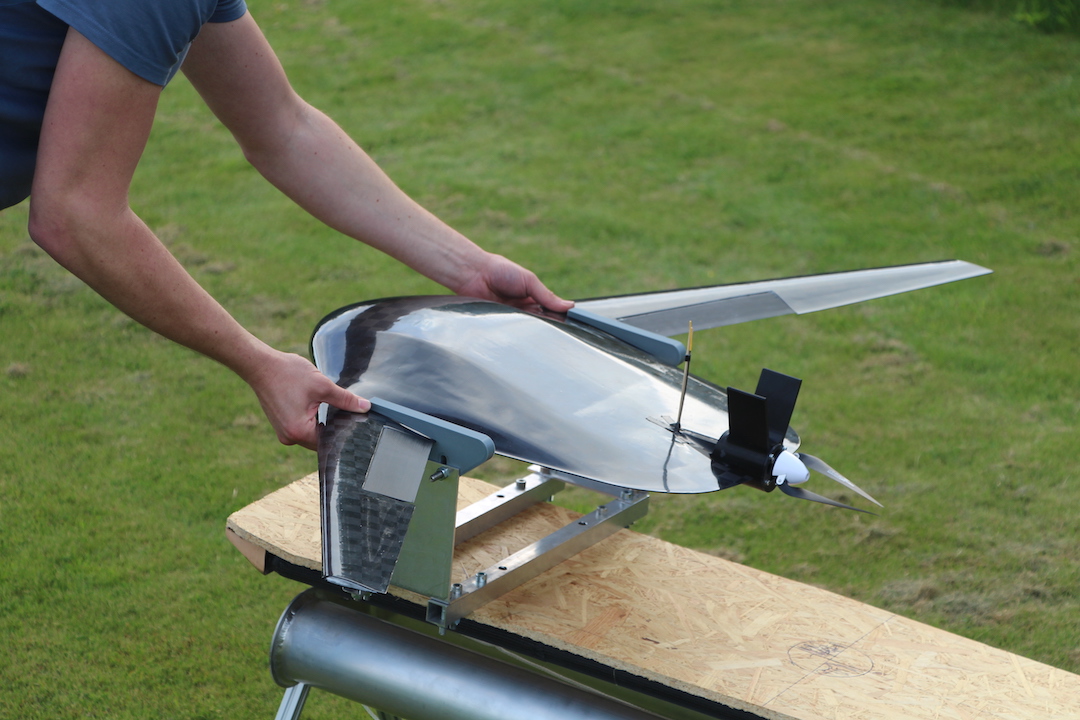
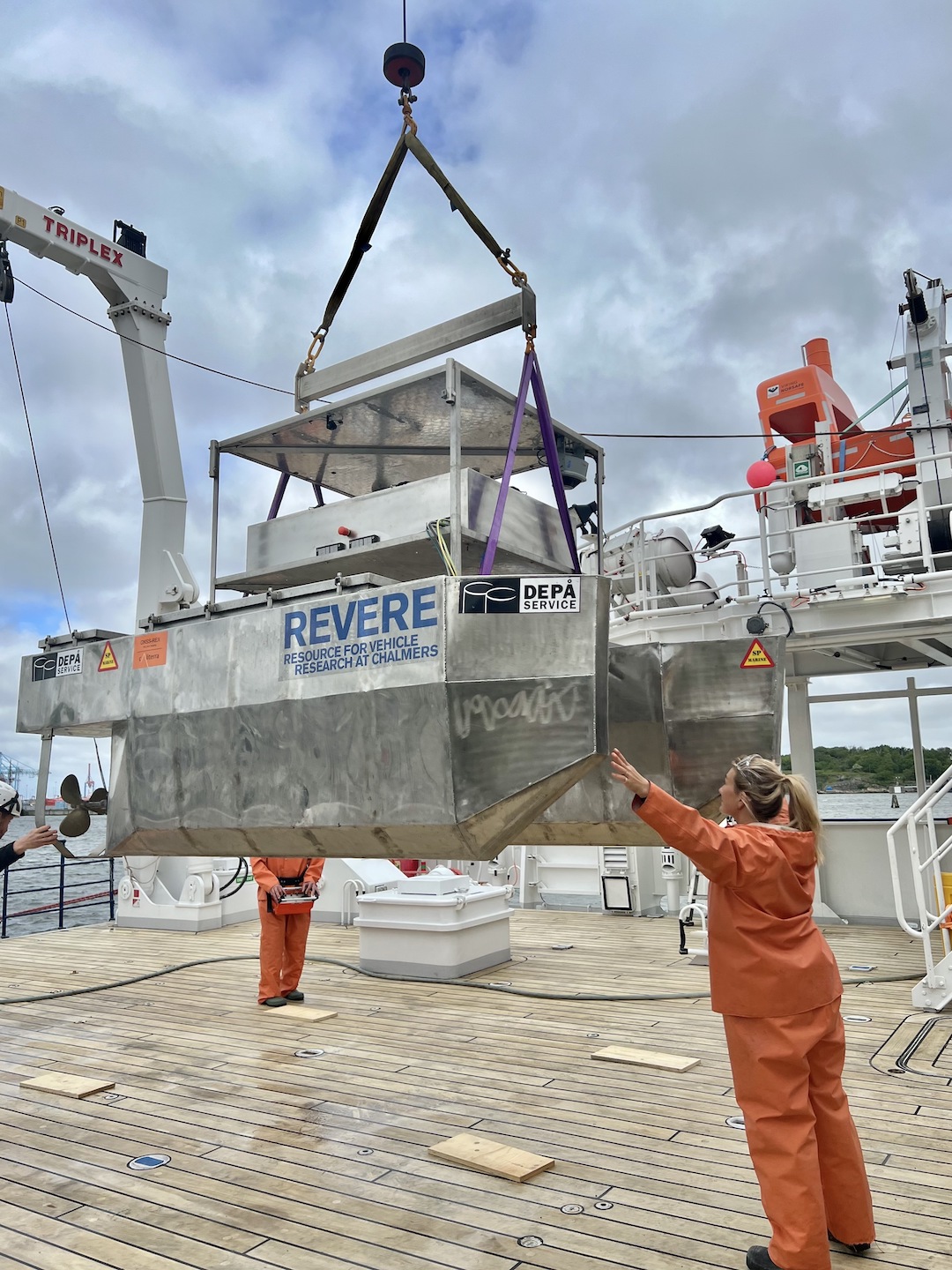
First, a marine catamaran drone, known as the ‘Seacat’, acts as the base for the other unmanned aerial vehicles by providing a coordination internet uplink and local communication link. Then, a fleet of winged aerial drones—which are equipped with cameras and a positioning system—work autonomously to monitor surroundings via an intelligent algorithm. Meanwhile, a quadcopter captures images or delivers supplies, flotation devices, or healthcare aids to those in distress before help arrives.
“The project is based on the simple principle that different drones have different advantages, and by allowing several different types of autonomous drones to work together, search efficiency and rescue response speed can be significantly improved, with the potential to save more lives,” explained Xin Zhao, post-doctorate in the Fluid Mechanics Division at Chalmers.
“In addition, the system could—in principle—be linked to any public service or to volunteers who could provide some form of assistance,” added Thomas Grönstedt, Professor in the Fluid Dynamics Division.
Thus far, the team has succeeded landing the quadcopter on Seacat, while the winged drones are currently being assessed. Once completed, all components of the system will be put together to be trialed out at sea.
While the migrant crisis is one that’s nuanced and difficult to solve, this invention could hopefully help save the lives of refugees battling the harsh seas in hopes of a new home.
[via New Atlas and Chalmers University of Technology, cover image via Chalmers University of Technology | Christian Svensson]


