
NASA’s Antarctica Satellite Images Reveal Iceberg Loss Is Worse Than Expected
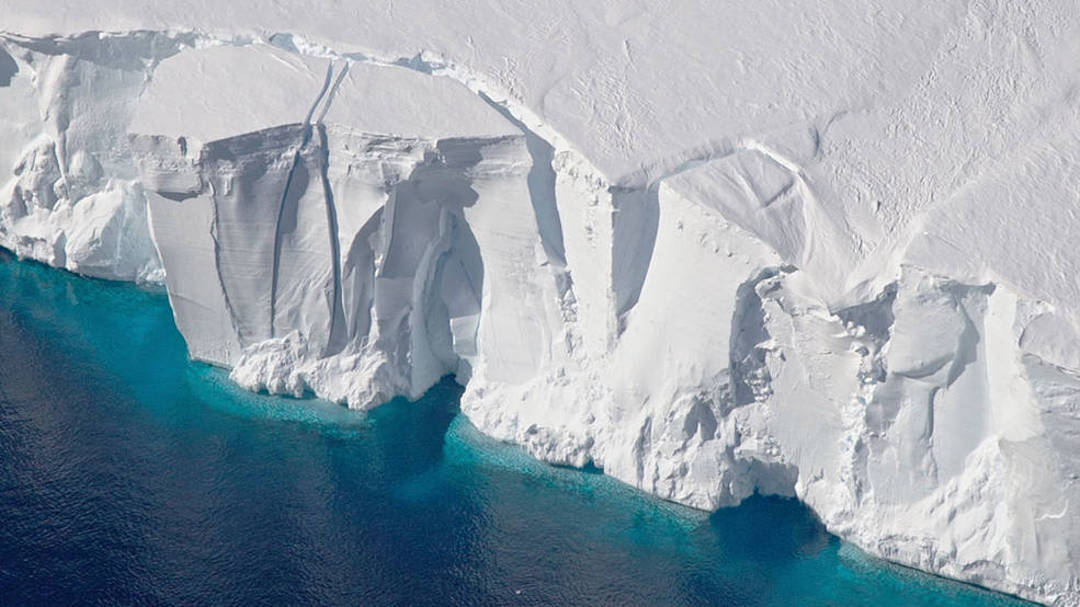
A study piloted by NASA has brought back devastating results that show Antarctica is disintegrating faster than scientists first thought.
In a news release, the space exploration team acknowledges that the rate of the loss of ice shelves has been “unexpected.” The study, published in the Nature journal, goes into detail about what this could mean for the planet.
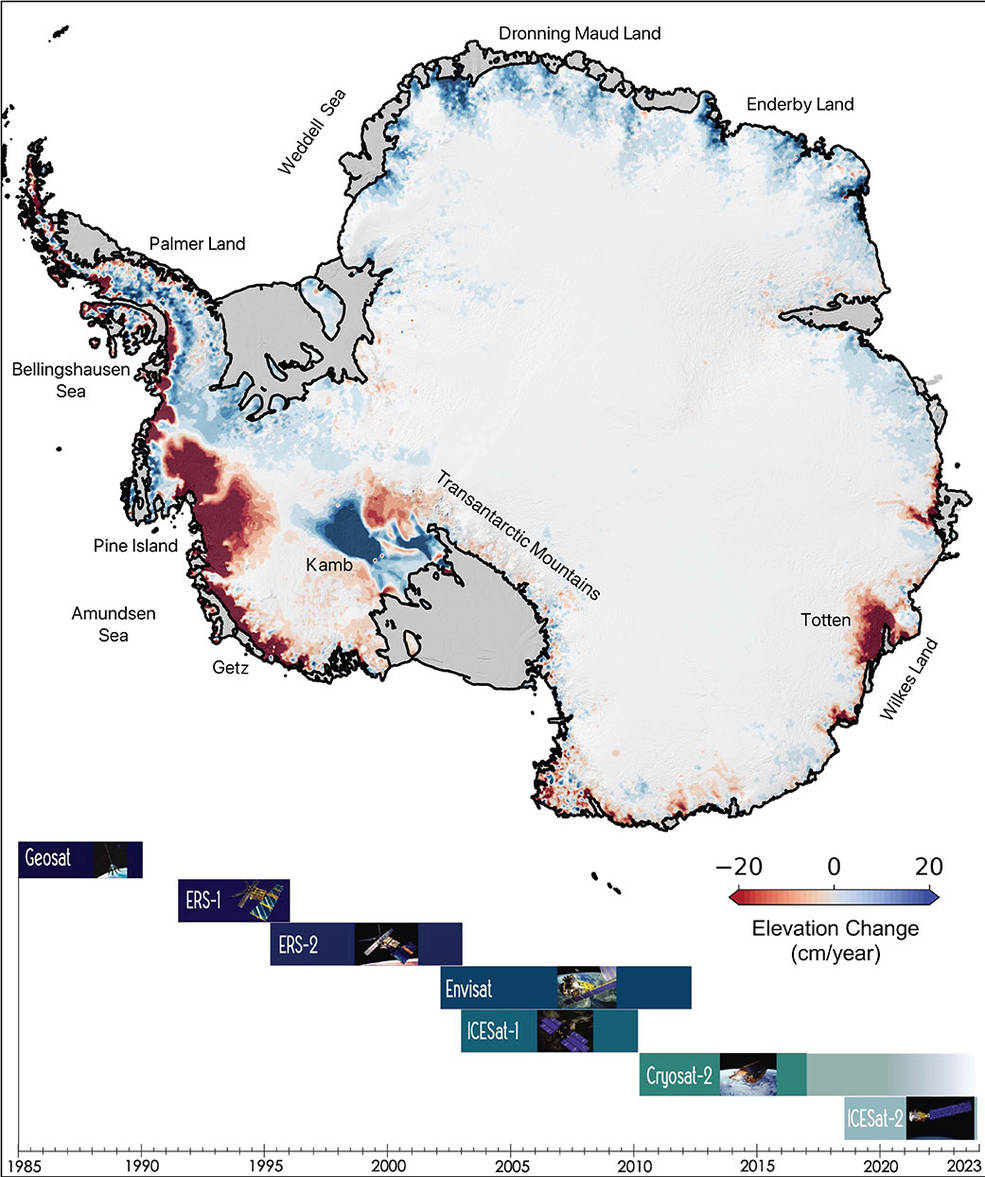
A chart cited in the paper shows the progression of Antarctica’s iceberg loss between 1985 and 2020. The study reveals that the thinning ice isn’t just contained to the edges of the continent; in fact, it has spread inwards to the center of Antarctica as well.
Icebergs are like large containers of fresh water. The faster the ice melts and contributes to the rising sea levels, the more freshwater disappears as well. The phenomenon is known as ‘calving’.
NASA has a dedicated website that tracks calving. Earlier this year, an ice sheet the size of Los Angeles crumbled away.
Rising temperatures in the sea have also contributed to the melting of the snow. While temperature fluctuations are normal, they are not supposed to happen at the rate at which they currently are. This study may not tell us anything new, per se, but it is an eye-opener to the stark cold reality that the icebergs are melting at even higher speeds than we previously thought.
The conclusion of the study states that the worst of the calving events is set to happen within the next 10 to 20 years. And if global warming continues its rampage on through Earth as it currently is, there won’t be enough time for ice shelves to grow back before then.


