
New Battery Made From Crab Shells Is Recyclable & Biodegradable
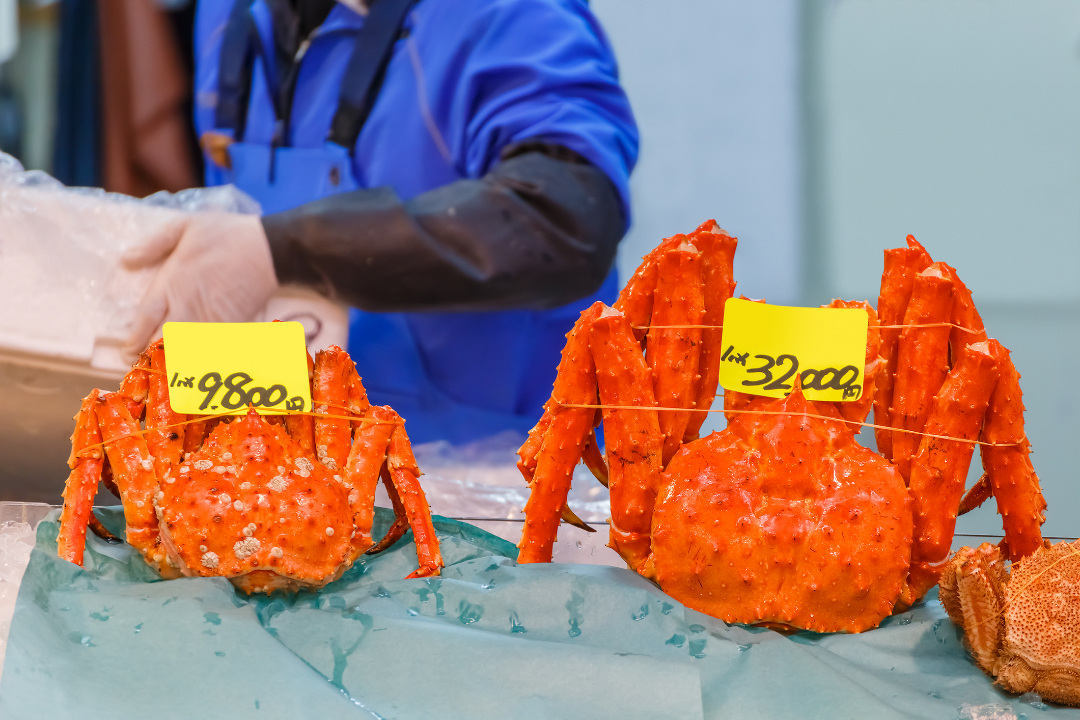
Photo 40847570 © Cowardlion | Dreamstime.com
Scientists are on a seafood diet. They see food, they see a revelation.
In this case, researchers have invented a rechargeable battery from crab shells and zinc. Seeing as how these materials are found in nature, it’s also recyclable and can safely break down at its end of life.
The crustacean-filled battery is conceptualized as a potential replacement for the standard lithium-ion batteries, which require the energy-intensive process of lithium mining, and are susceptible to combustion. It’s also not easy to recycle them.
Instead, a team led by Liangbing Hu of the University of Maryland’s Center for Materials Innovation is using the substance that makes the exoskeletons of crabs, shrimp, and lobsters hardy: chitin. This component can be turned into chitosan, which is safe, inexpensive, and is abundant in nature around the world. Outside of crustaceans, you could even find it in the walls of fungi.
The other star ingredient is zinc, which is also readily available in nature. Zinc-ion batteries have proven to be useful, but they can’t be charged over time as the water in them—needed as a conductor for the ions—corrodes with the zinc.
Chitosan, on the other hand, has molecules that bond well with water. That’s why researchers are combining the two to form a nature-based battery that’s resistant from zinc corrosion.
Scientists only need 20 micrograms of commercially-available chitosan powder—costing only US$0.00017—to create a coin-sized cell battery. Impressively, this product can run at a high current density of 500 milliamperes per square centimeter for 400 hours.
That means the battery is rechargeable for up to 1,000 times, making it comparable with small lithium versions. The team detailed their findings in a new paper published in the Cell scientific journal.
Over several years, the chitosan in the battery will be able to gradually degrade, while the leftover zinc can be recycled.
“In the future, I hope all components in batteries are biodegradable,” says Hu. “Not only the material itself but also the fabrication process of biomaterials.”
[via New Scientist and Gizmodo, cover photo 40847570 © Cowardlion | Dreamstime.com]


