
Apple Unveils M2-Powered iPad Pro, Redesigns Basic iPad To Be Home Button-Free
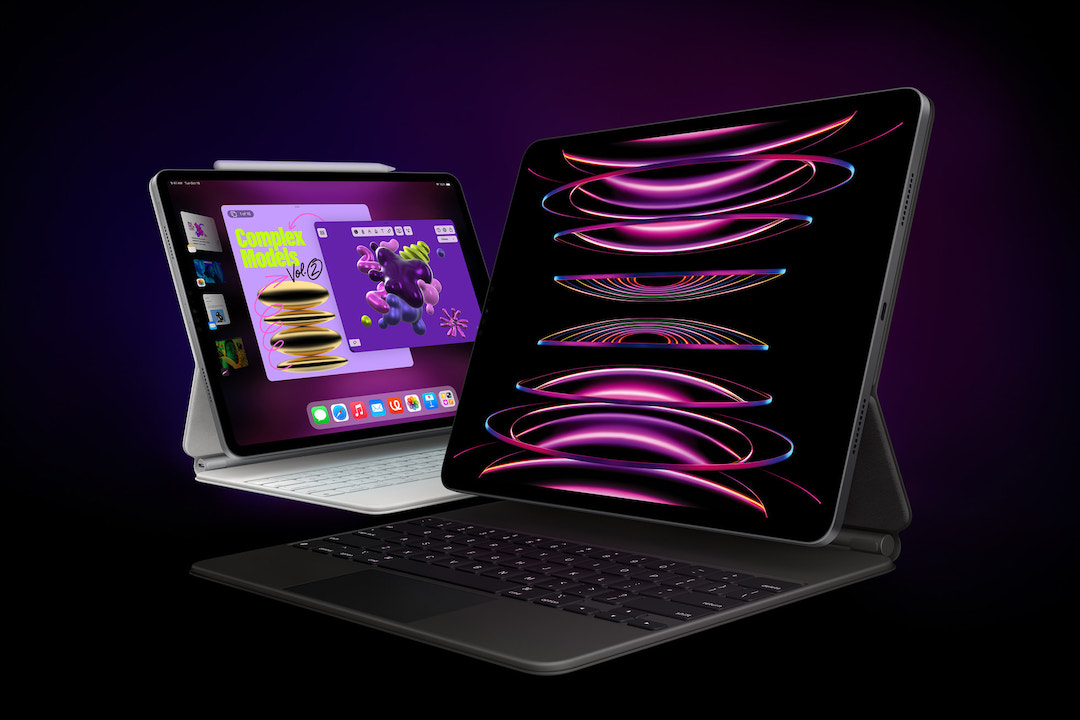
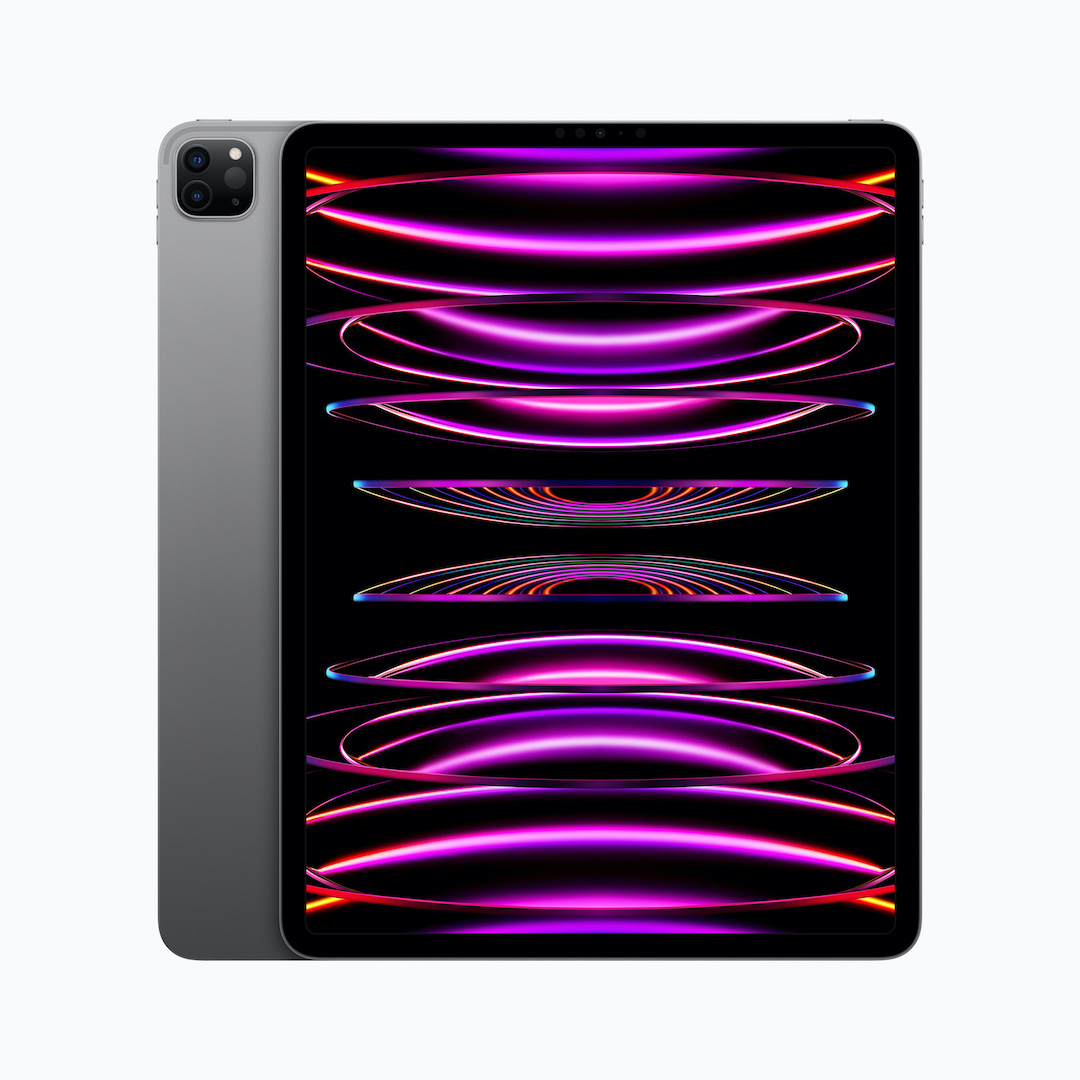
Apple’s iPad series is getting a fresh update, with the iPad Pro getting the same M2 chip introduced to the MacBook Air this year.
The new chip is set to be 15% faster than its 2021 predecessor, the M1, promising to turn the iPad Pro into a powerhouse tablet that could compete with its laptop range.
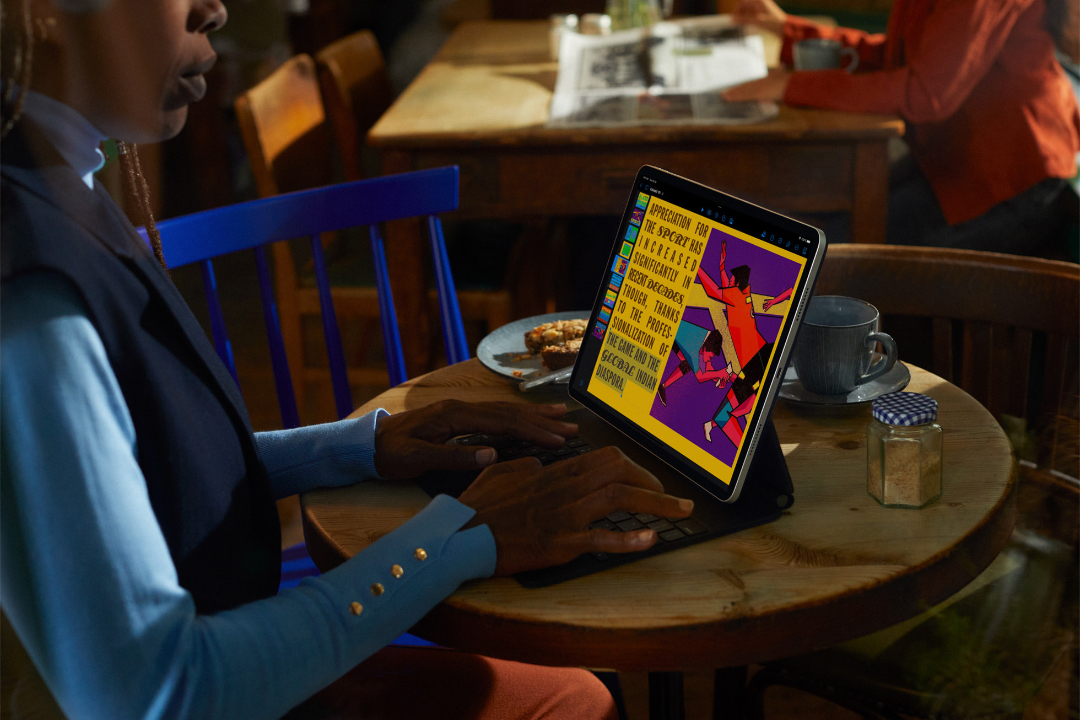
This brings about new enhancements for the Apple Pencil as well. For example, the new iterations can track the sensitivity of the tip for up to 12 mm. The company notes that this will make for easier handwriting-to-text usability and entitle sketchers and artists to a more detailed creation process.
Of course, this comes on the heels of the iPadOS 16, which is set to host features such as Stage Manager. Here, users can hook their tablet to an external screen and work on multiple projects simultaneously. As a result, the tool provides seamless transference between both monitors.
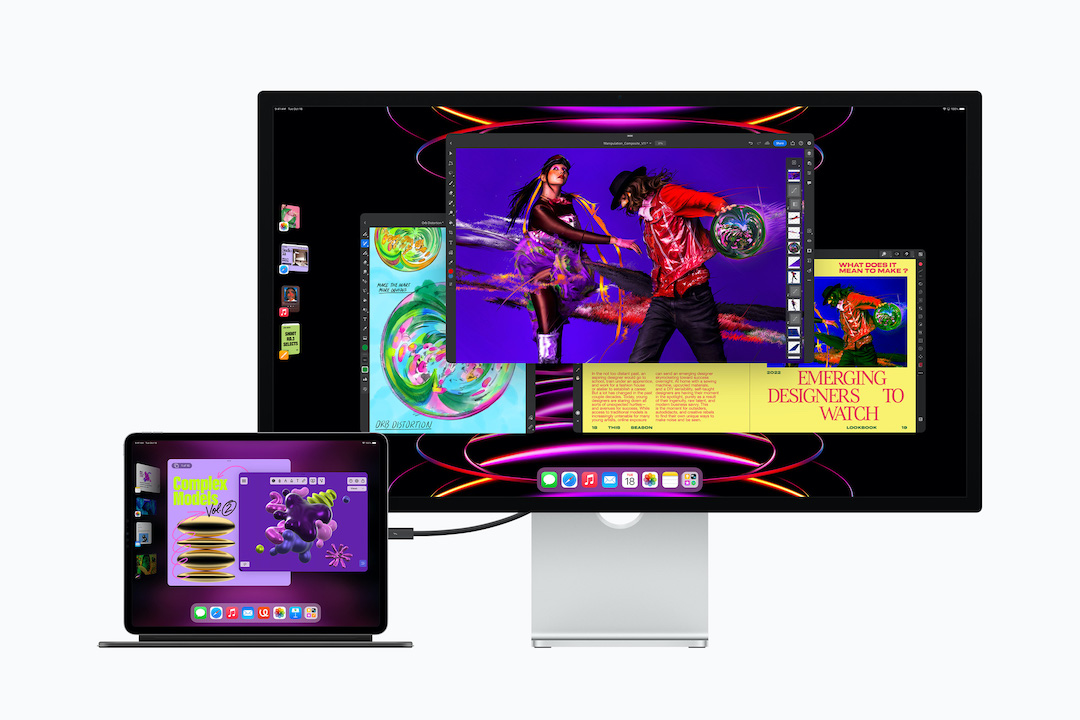
When used as an additional screen, the new desktop-class apps feature lets the tablet work as a pseudo-Mac, providing enhanced usability such as customizable toolbars, undo and redo, a new document menu, and more.
The basic iPad line has also received new updates with a new form factor that looks much more similar to the Pro, along with a bright new range of colors. Apple has additionally gotten rid of the home button and moved the Touch ID reader to the power button on the top of the device.
In addition, the Lightning port has been traded out for a USB-C dock. Unfortunately, if you want to charge a first-gen Apple Pencil on this version, you must get a USB-C to Lightning converter.
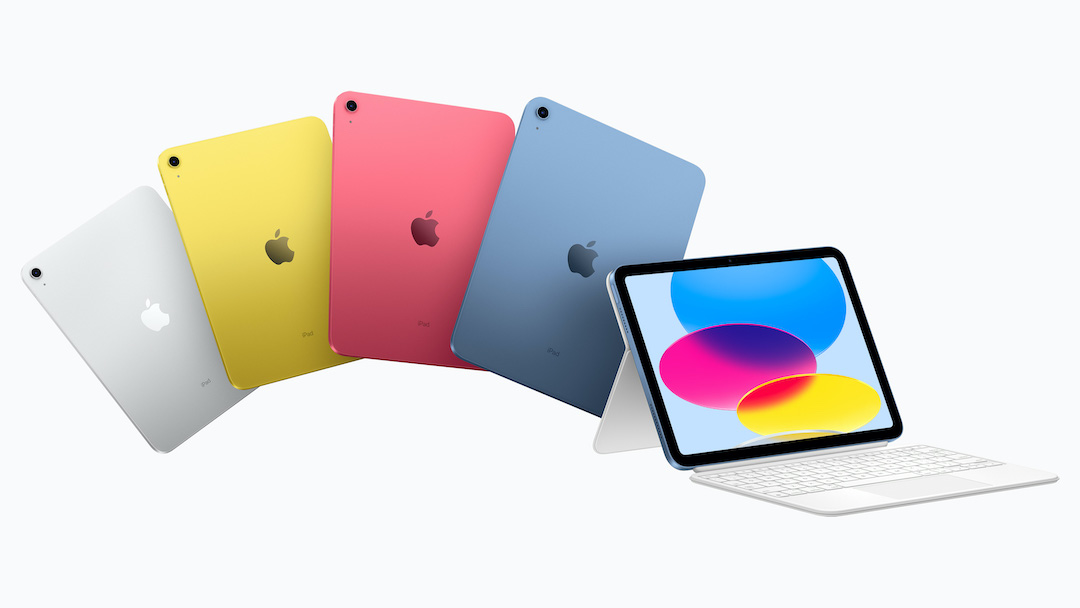
Under the hood of the new range, the devices will house an A14 Bionic chip, increasing CPU performance by 20%. It is also slated to work with a new version of the Magic Keyboard Folio that was designed specifically for the new iPad.
The iPad Pro is priced at US$799 for the 11-inch and US$1,099 for the 12.5-inch model. Meanwhile, the iPad costs $499 in the United States. The entire lineup will hit stores on October 26.
[via CNBC and Apple, images via Apple]


