
Salt Lake City To Build Tiny-Home Village For People Without A Roof

In a bid to address the homelessness crisis, the Salt Lake City Council in Utah has decided to move forward with constructing a village of tiny homes, meant to provide a roof over the heads of those currently without one.
Following weeks of public debate, the council voted seven to zero in approval of the project, and will work with vocational school The Other Side Academy to break ground on the village that will be situated on the west side of the city.
According to The Salt Lake Tribune, the first phase of the project will start with eight acres of city-owned land, which will fit 54 tiny homes. Six homes will be built to house staff, with 25 additional units used as nightly rentals for the public to contribute to the funding of the village.
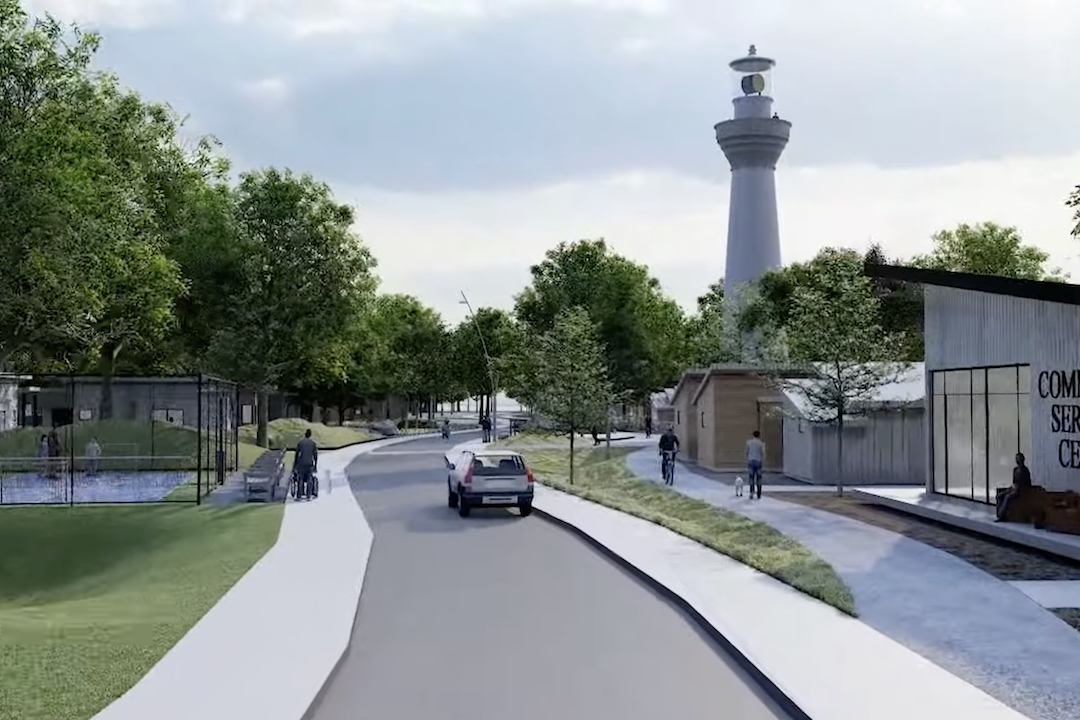
If the pilot proves successful, the land could then be expanded up to 40 acres to accommodate a total of 430 homes. The project is expected to cost US$13.8 million, which will largely be funded by public donations.
As reported by Deseret News, the initiative in Utah is modeled after a similar effort in Texas, dubbed the Community First! Village. While it was first met with opposition from residents in the area, the estate has since become a safe haven for individuals looking to escape homelessness.
It seems The Other Side Village will follow in its predecessor’s footsteps, providing “recovery housing” for those experiencing homelessness, with additional resources to help them find their footing and move forward from the site.

For example, it’s suggested the village could be a sober community with on-site social services and mental health treatment, with the possibility of drug and alcohol testing to ensure residents stay on the plan to sobriety.
In addition, tenants will be required to contribute a monthly rent while living in the income-restricted homes to encourage “self-reliance,” with coaches available to help them secure a source of income.
With more of such initiatives sprouting up around the country, we’re hopefully moving closer to viable solutions that can be used to address the homelessness epidemic.
[via The Salt Lake Tribune and Deseret News, images via The Other Side Academy]


