
Scientists Make Whipped Cream That Is Fat-Free, Thanks To Unexpected Ingredient

While bacteria-based whipped cream may not sound like the most appetizing addition to your favorite dessert, would you change your mind if it is promised to be fat-free?
Researchers at the University of Copenhagen have come up with a fat-free prototype of whipped cream, using bacteria instead of the usual milk fat, opening up the possibility of creating the beloved condiment from more sustainable options, such as beer residues or plants.
It’s hardly a secret that despite how good dairy-made whipped cream tastes, it’s not the healthiest, considering it packs 38% saturated fat into its velvety goodness. As such, the team set out to develop a low-fat, more eco-friendly alternative.
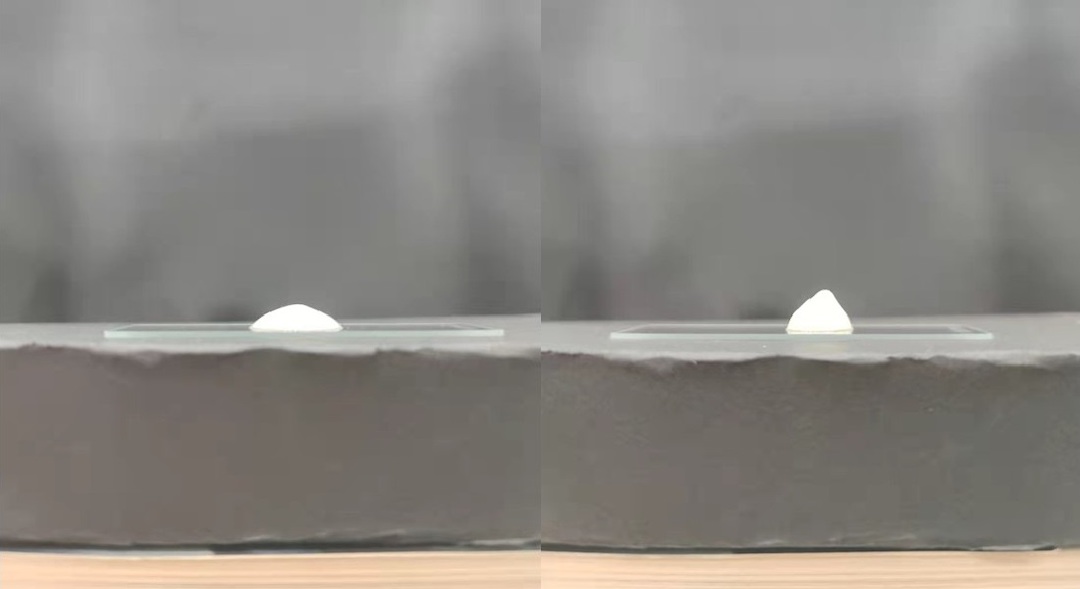
The main challenge, as with most baking ingredients, was to get the texture right. The whipped cream needed to be smooth, light, and airy when topping tarts, and stiff enough to hold the shape of a cake.
In fact, it is the high level of saturated fat that makes it possible for the cream to be whipped stiff, so the scientists had to find another, more innovative method of achieving the same results sans the fat.
Enter lactic acid bacteria. Although bacteria are usually considered “dirty,” good bacteria could be the gateway to creating new food products.
Not only is it a renewable resource that can be easily grown in tanks, but it allows for a healthier, fat-free whipped cream that can be both airy or stiff.
Using only four ingredients—water, bacteria, milk protein, and a slight thickener—the team worked on two different versions of the whipped cream, each using a separate lactic acid bacteria for the desired consistency.
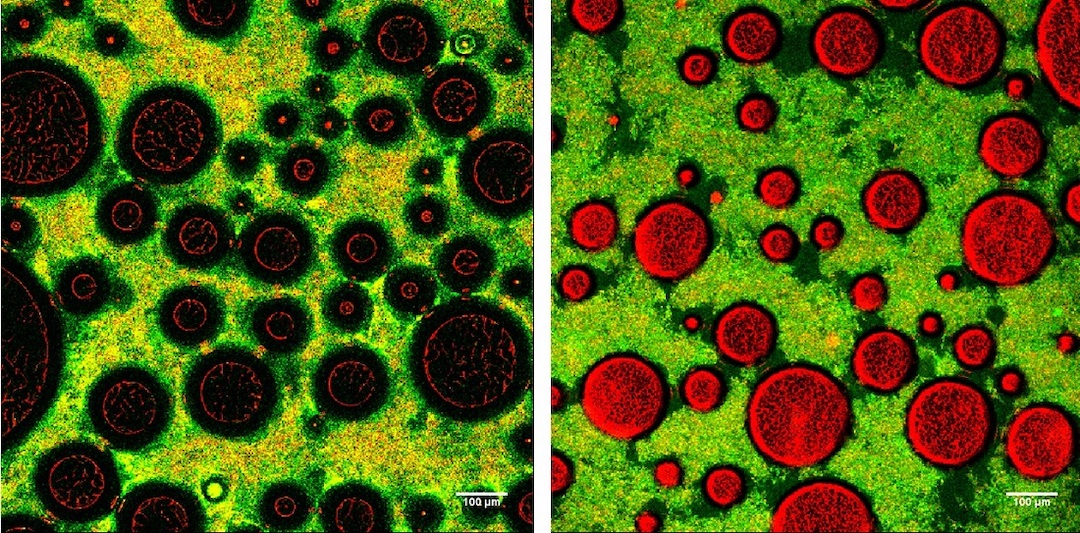
One of the species, whose surface likes water, forms a weaker network that produces a softer foam; while the other, which has a more similar structure to fat, forms a stiffer cream that can stand in peaks.
Now that bacteria has successfully been used to develop new variations of food, it’s only the first step of how many other components of nature can be used to recreate structures found in everyday ingredients.
“This could be yeast residue from brewing, or perhaps small building blocks that we extract from plants. This would make the product very sustainable,” summed up Jens Ribo, Associate Professor at the Department of Food Science.
[via New Atlas and University of Copenhagen, images via various sources]


