
Air New Zealand Plans To Fly A Zero-Emissions Plane By 2026
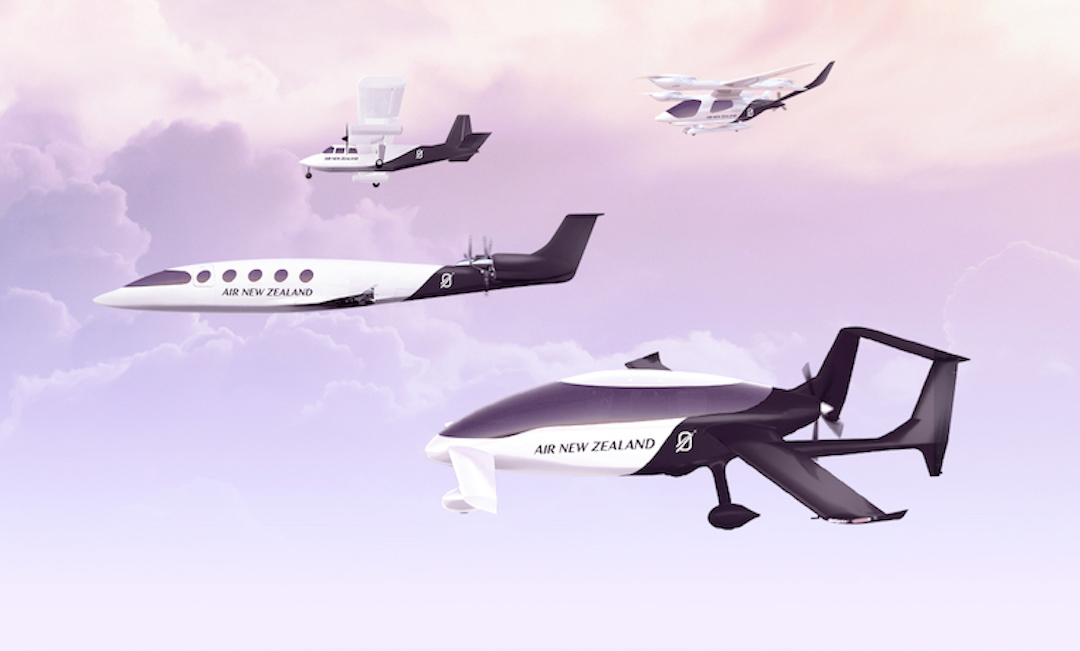
With all the hype surrounding zero-emission vehicles, Air New Zealand wants to take on the next frontier of sustainable travel: eco-friendly flying. The airliner recently revealed it’s working to put a zero-emission airplane in the sky by 2026.
Collaborating with four innovators in the space, Eviation, Beta, VoltAero, and Cranfield Aerospace, the company plans to have its first demonstrator flight, which could be either cargo or passenger, take place in just over three years’ time.
According to the airliner, these partners will make use of a mix of electric, green hydrogen, and hybrid aircraft technology to develop the infrastructure needed to make zero-emission airplanes a reality.

As per CNET, each partner comes with its own pioneering ideas. Washington-based Eviation offers a nine-seater, all-electric aircraft named ‘Alice’, which is powered by two electric propulsion units capable of short-range trips.
Beta, on the other hand, has its ALIA-250 airplane inspired by an Arctic tern, boasting the ability to take off and land vertically, while VoltAero’s Cassio 1 uses a propulsion system that runs on a dual source of electric-hybrid energy.
Last but not least, UK’s Cranfield Aerospace has ‘Project Fresson’, in which it will attempt to transform a fossil fuel-powered nine-seater airplane into a passenger-carrying model that is powered by hydrogen fuel cell technology.
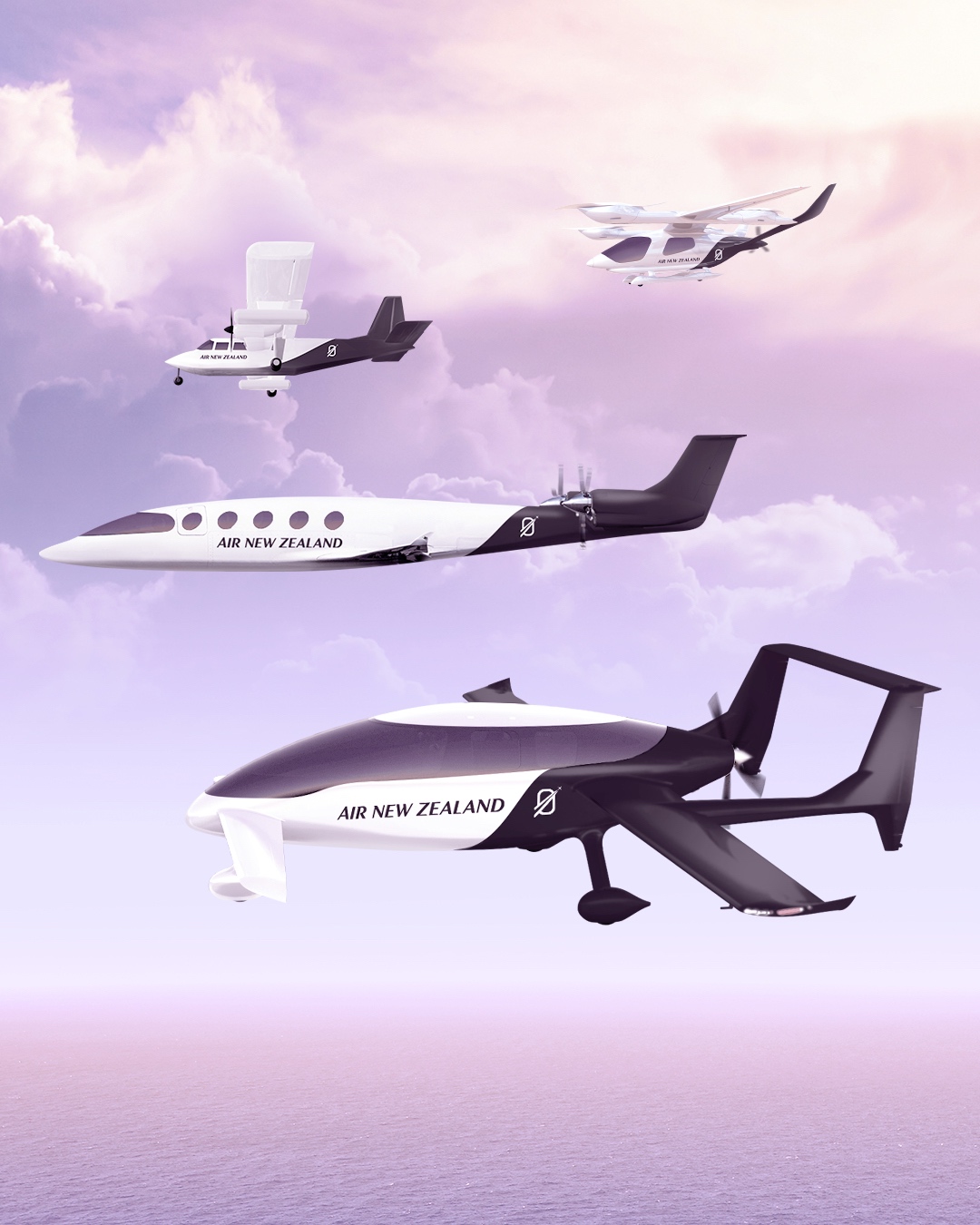
As a show of faith, Air New Zealand has signed a “statement of intent to order” three aircraft initially, with a further option to ramp that number up to 20 in the future, subject to an evaluation process.
Chief Executive Officer Greg Foran explained that the project, dubbed Mission NextGen Aircraft, isn’t just about backing one innovator. Rather, the firm took care to work with a range of companies to “move the whole ecosystem along.”
“The learnings we will take from flying an aircraft with next-generation propulsion technology from 2026 will then pave the way for our long-term partners to deliver an aircraft that can replace our Q300 turbopop domestic fleet,” he added.
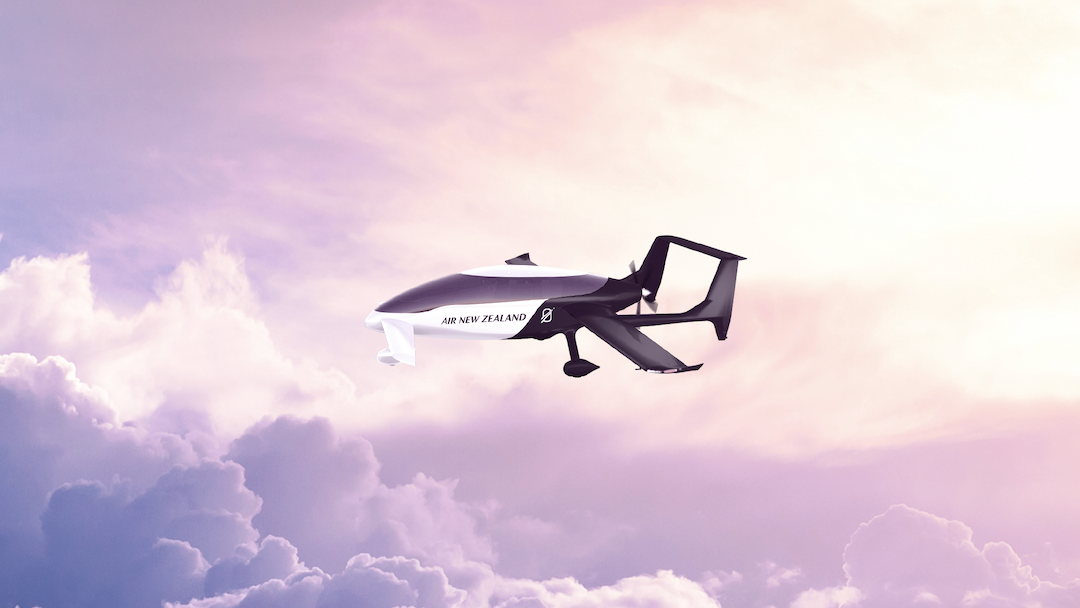
Of course, Foran admitted that given the tight timeline, attempting to get a zero-emission aircraft off the ground in just three years will be a challenge. But the airliner is fully prepared to fulfill this “incredibly ambitious” endeavor.
The company highlighted that while emerging aircraft technology is the future of decarbonizing flying, the most important development in the short term would be Sustainable Aviation Fuel (SAF), which reduces emissions for long-haul flights.
Just last month, the UK Royal Air Force proved the capabilities of SAF extend even beyond commercial flights by successfully carrying out the first-ever military flight on 100% environmentally-friendly fuel.
[via CNET and Air New Zealand, images via Air New Zealand]


