
Google Finally Makes Its Bard AI Chatbot Available To The Public To Rival Bing
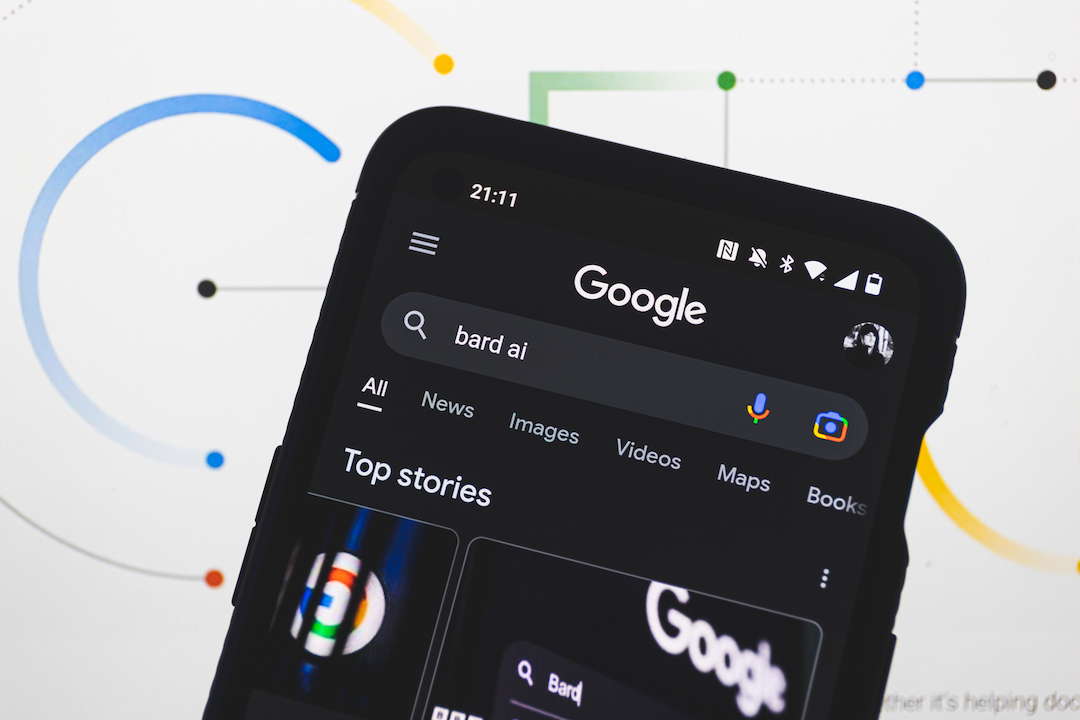
When Google first unveiled its artificial intelligence software in February, Bard didn’t impress right out of the gate. In fact, the chatbot’s first words were determined to be false, sending parent company Alphabet’s shares plummeting over 7%, or US$100 billion in market value.
Now, it seems the technology giant has sufficiently recovered from the snafu and is ready to release the generative toolkit to the public. Tens of thousands of users from the US and UK will now be able to access the chatbot, both in the form of a desktop site and mobile application.
Image via Google
According to the firm, Bard can be used to boost productivity, accelerate ideas, and fuel curiosity. For example, users can ask the chatbot to come up with tips on how to read more books within the year, explain complex quantum physics concepts in simple terms, or even outline a blog post.
Serving as a complementary function to Google Search, Bard will allow users to easily switch between its responses and Search to fact-check with websites across the internet. Simply click ‘Google It’ to view more suggestions for queries, which will open relevant results in a new tab.
Image via Google
While rival Bing’s AI feature runs on OpenAI’s next-generation large language model—the same one that powers ChatGPT—Bard is based on a lightweight and optimized version of LaMDA, which will gradually be updated with newer models as the technology progresses.
Of course, after the blunder the first time around, Google is careful when it comes to making promises about its chatbot’s capabilities. The company noted that the tool may “provide inaccurate, misleading, or false information while presenting it confidently.”
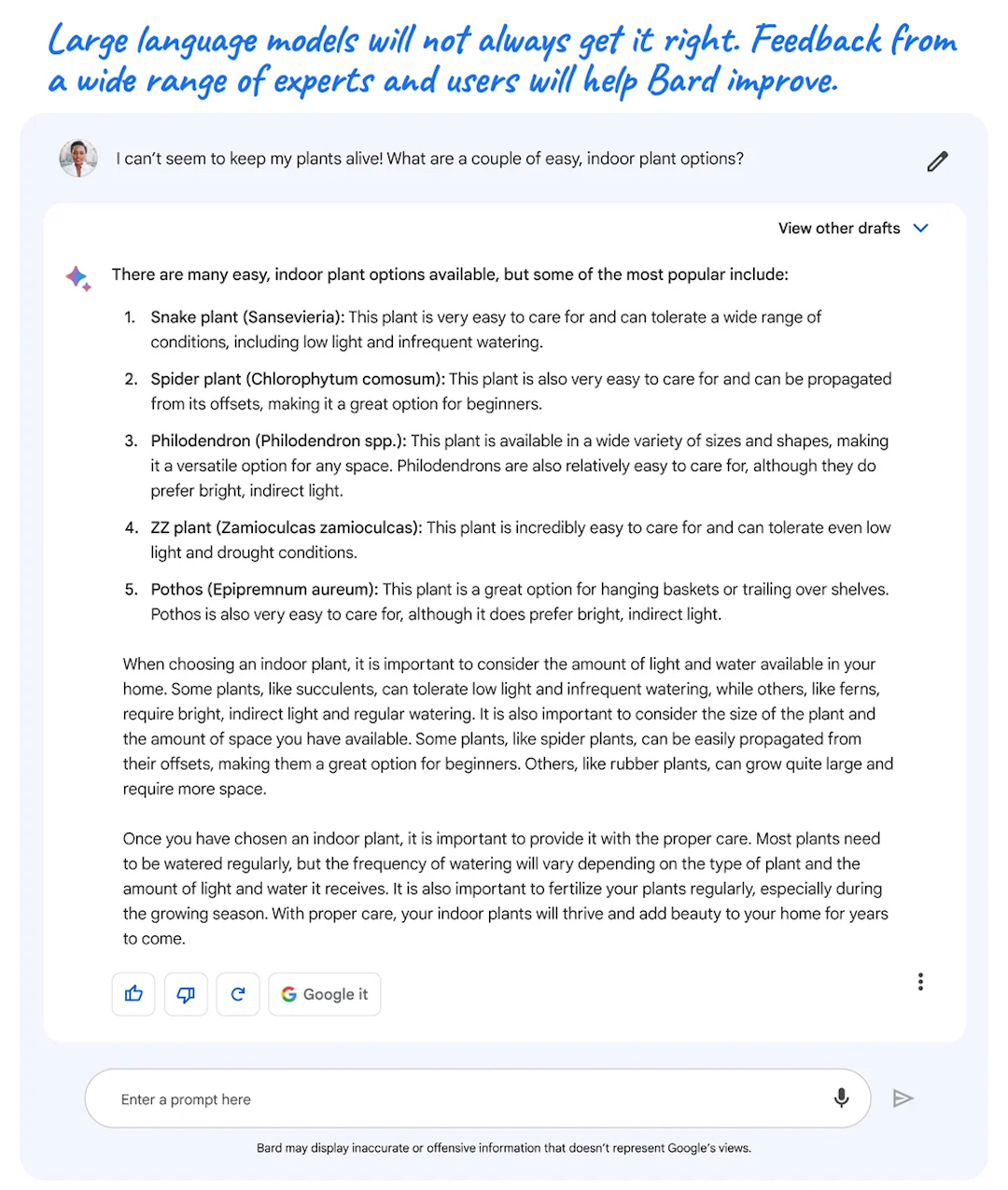
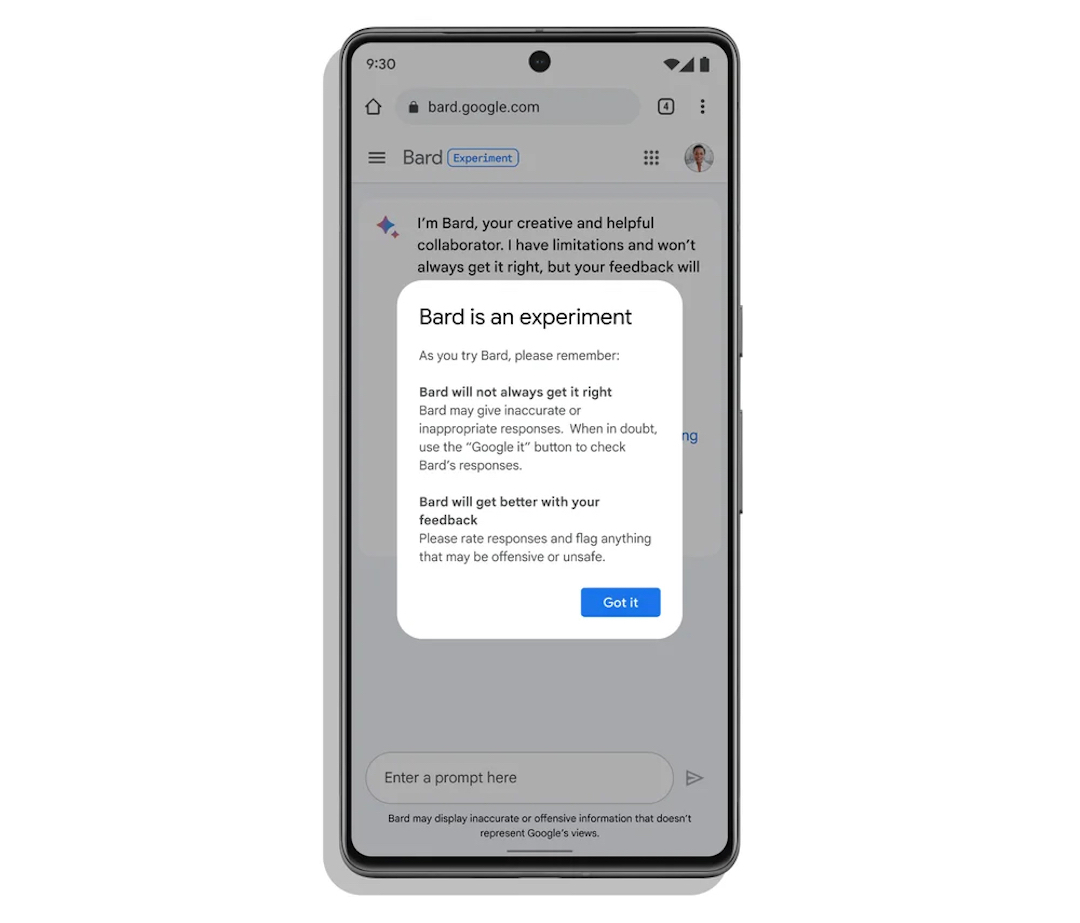
The firm is quick to emphasize that Bard is still very much in its “experiment” stage and that users should tap on Google Search to fact-check responses when in doubt. The hope is that with enough feedback, the technology will become more accurate over time.
Head here to sign up to try Bard. Google will begin rolling out access to the toolkit to users in the US and UK, with plans to expand the chatbot to more countries and in other languages in the near future.
[via Fast Company and MacRumors, images via various sources]


