
Daniel Arsham Shatters Nendo Sculptures To Turn Them Into Usable Objects

Image by Masahiro Ohgami + Katsuaki Kobayashi via nendo, featured with permission
Oftentimes, objects lose their function when you destroy them. These items that are counterintuitive (and counterproductive, in the best sense), on the other hand, turns the typical product life cycle on its head.
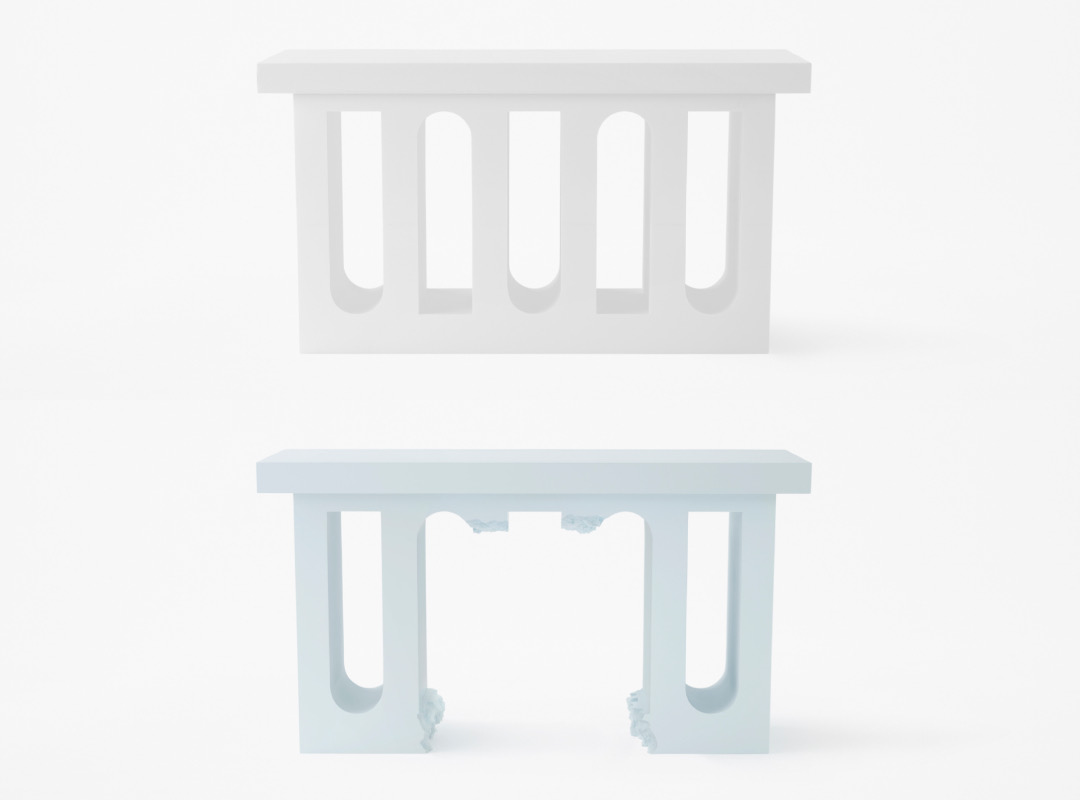
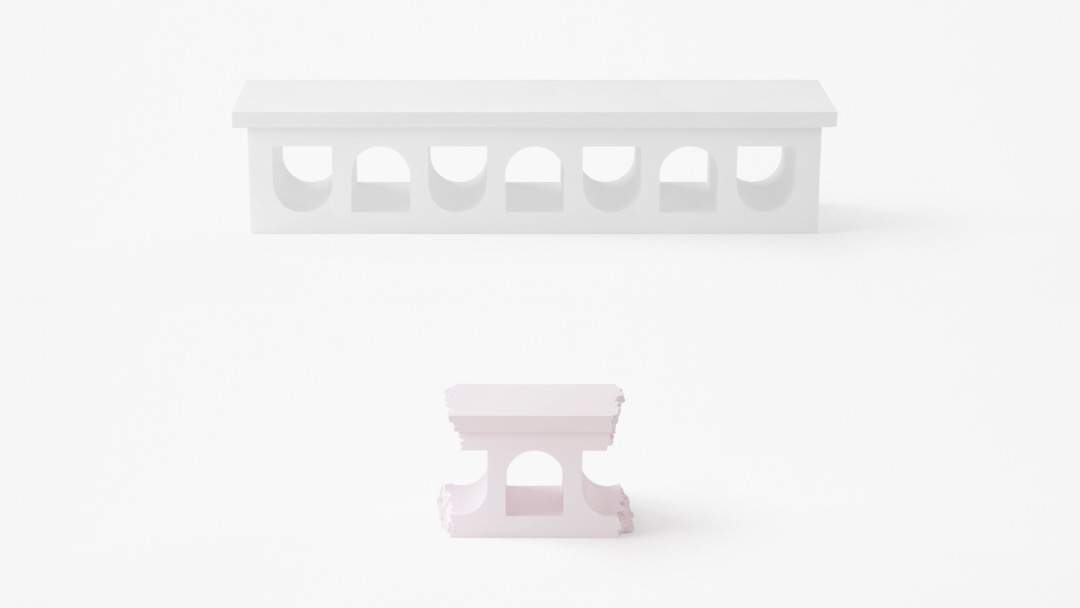
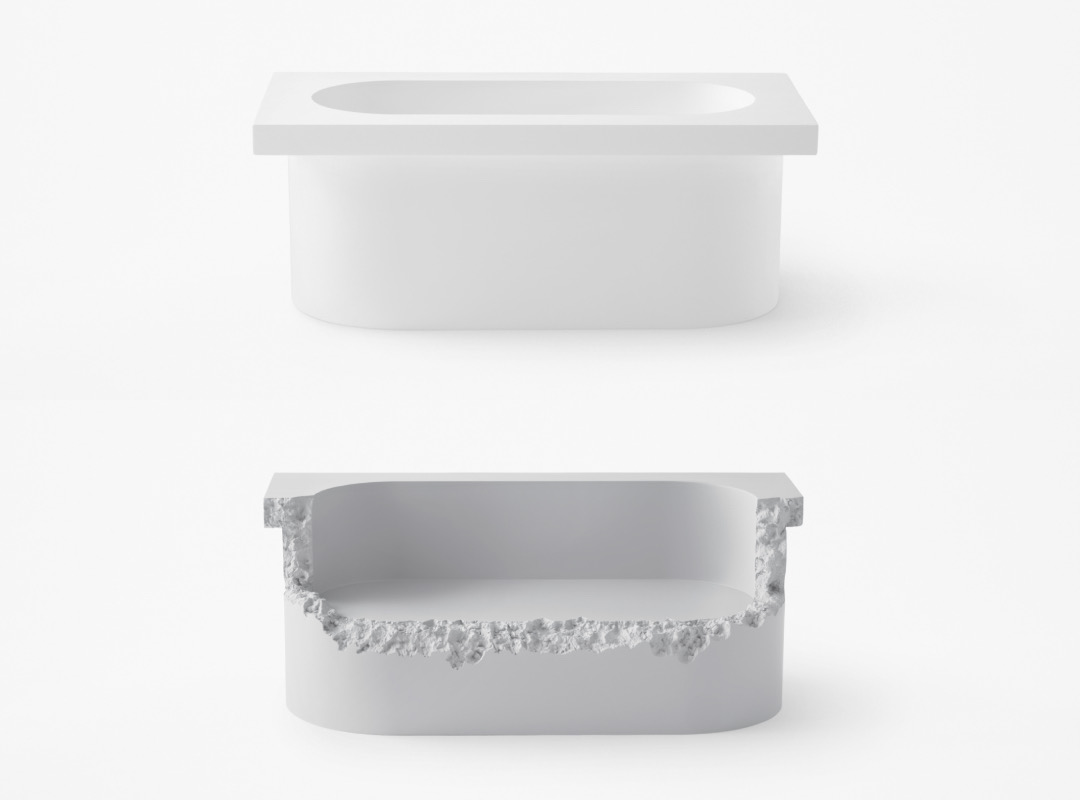
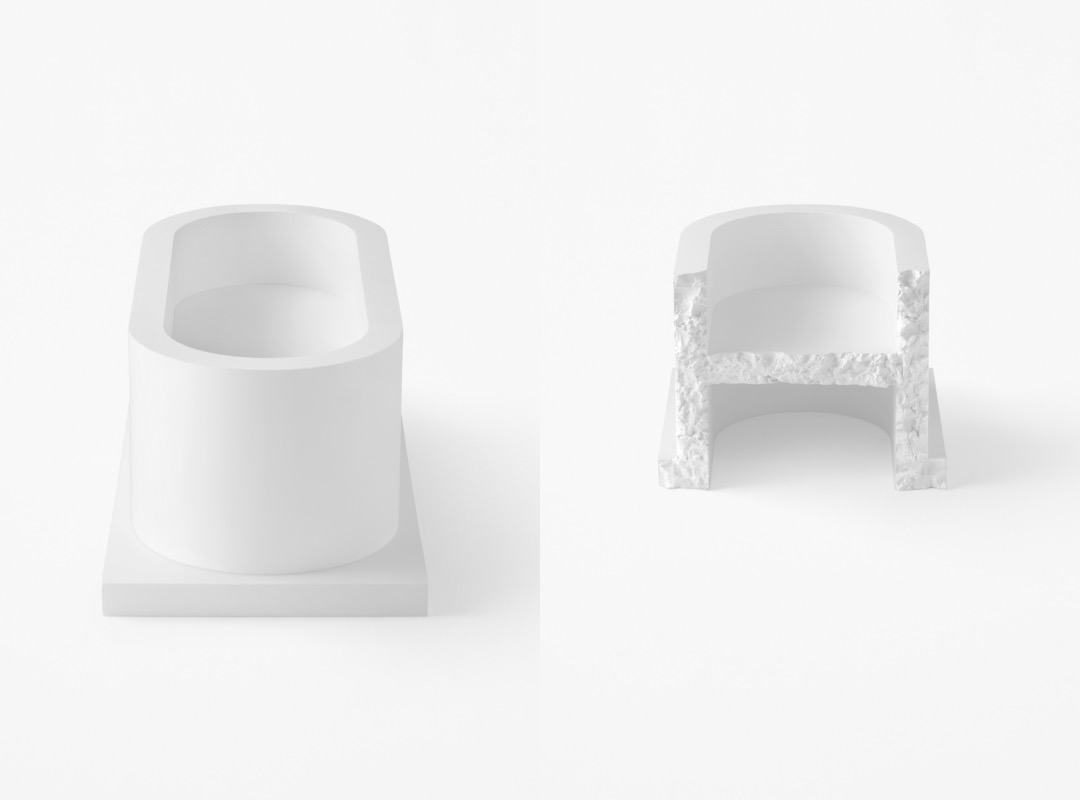
Unveiled at Milan Design Week 2023, Japanese design house nendo’s Break to Make series proves how objects can still be usable—and may even be superior—after being “damaged.” For the masterful destruction, the studio got famed New York artist and designer Daniel Arsham to take a hammer to its functional-looking sculptures.
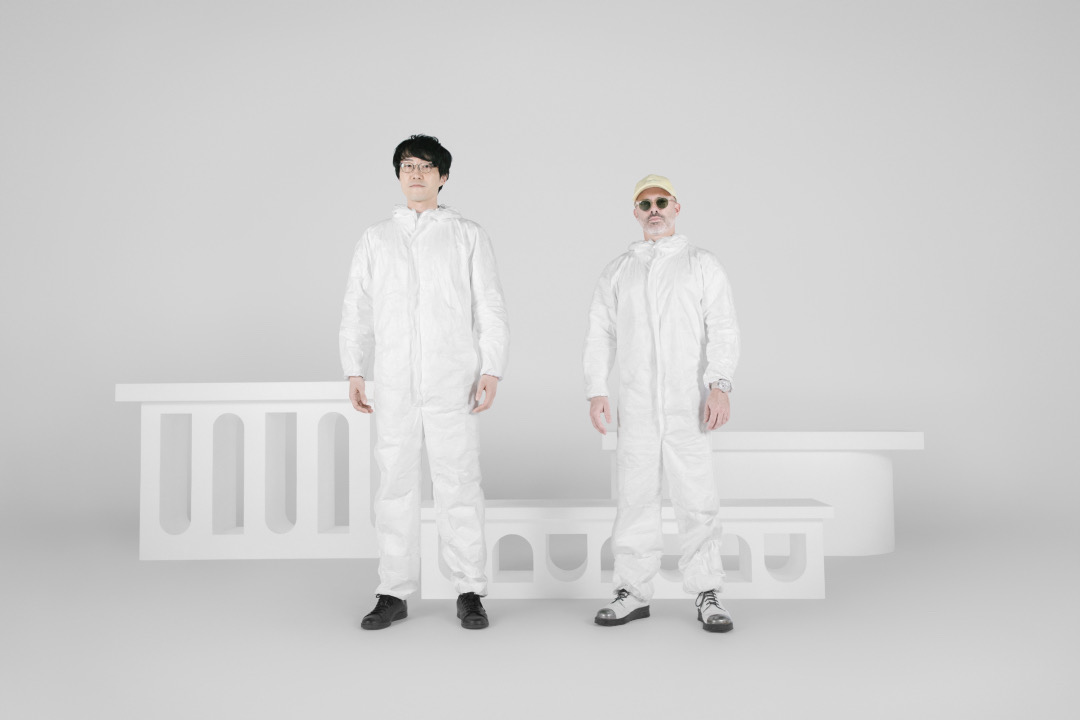
Image by Masahiro Ohgami + Katsuaki Kobayashi via nendo, featured with permission
“nendo makes. Daniel breaks,” the design firm describes.
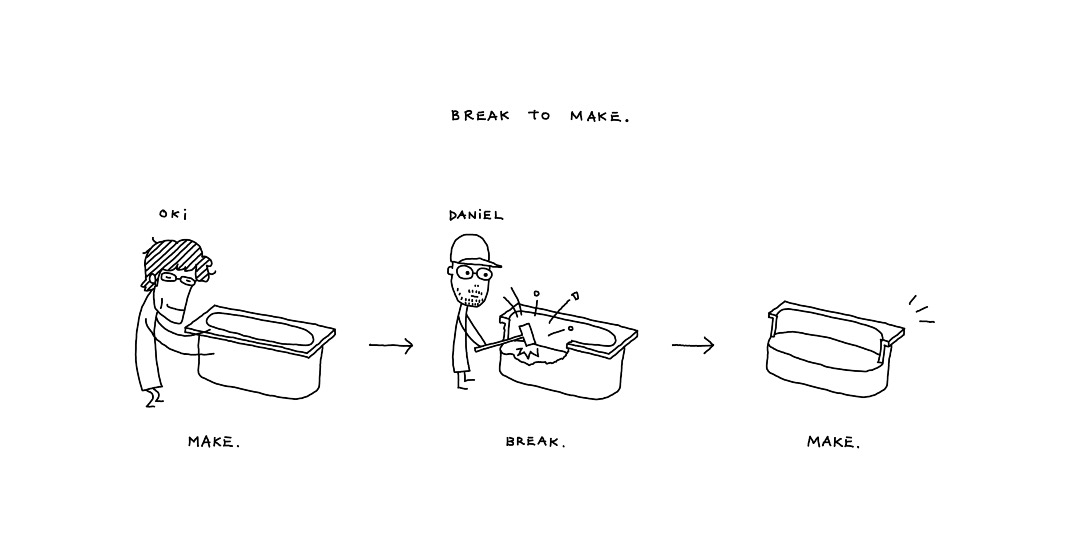
Image by nendo and featured with permission
What began as bathtub-like structures, for one, metamorphosed into a loveseat and an armchair. Long and narrow columns transformed into a bench and stool, while a square slab evolved into a usable console table.
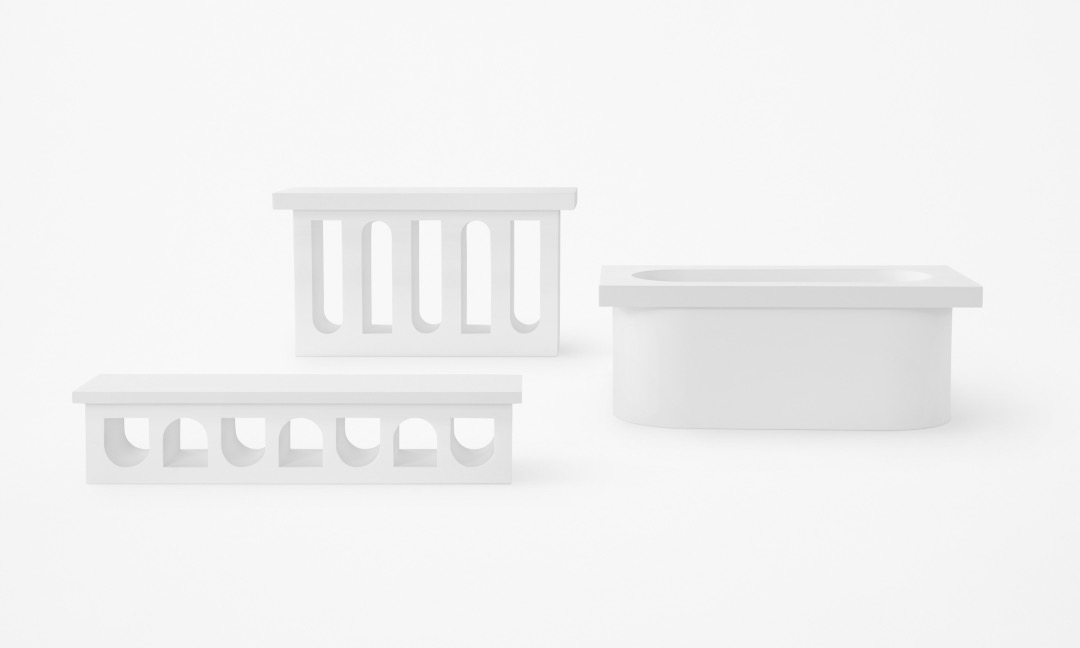
Image by Masahiro Ohgami + Katsuaki Kobayashi via nendo, featured with permission\
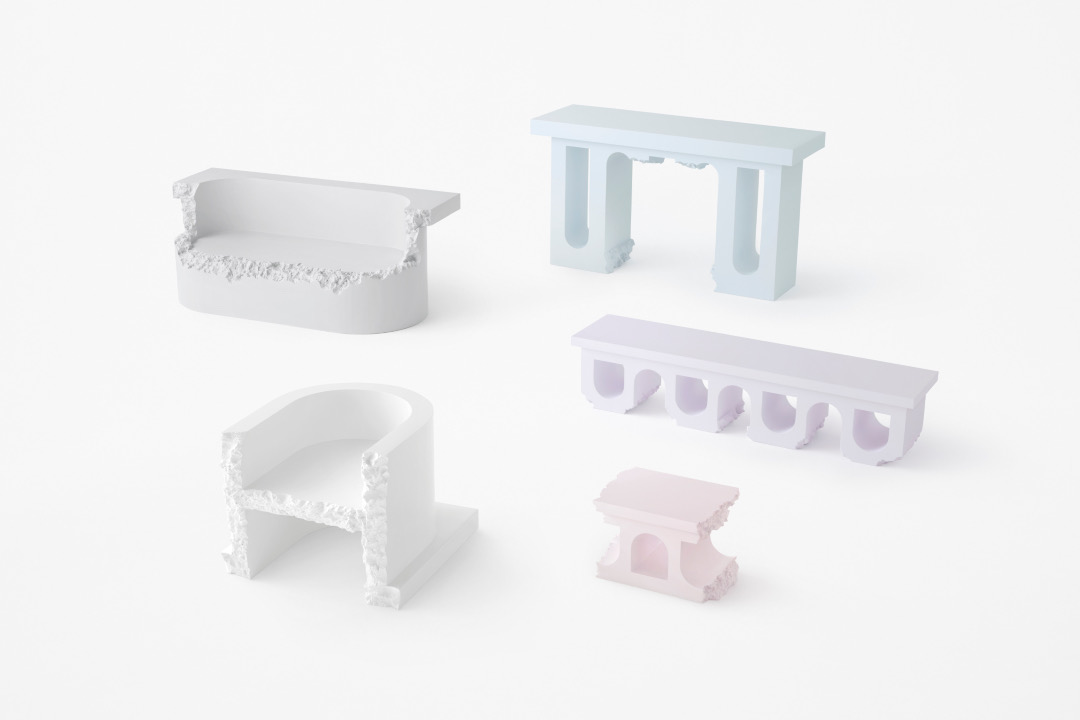
Image by Akihiro Yoshida via nendo, featured with permission
The resulting furniture is splashed in pastel tones, reminiscent of Arsham’s original pieces.
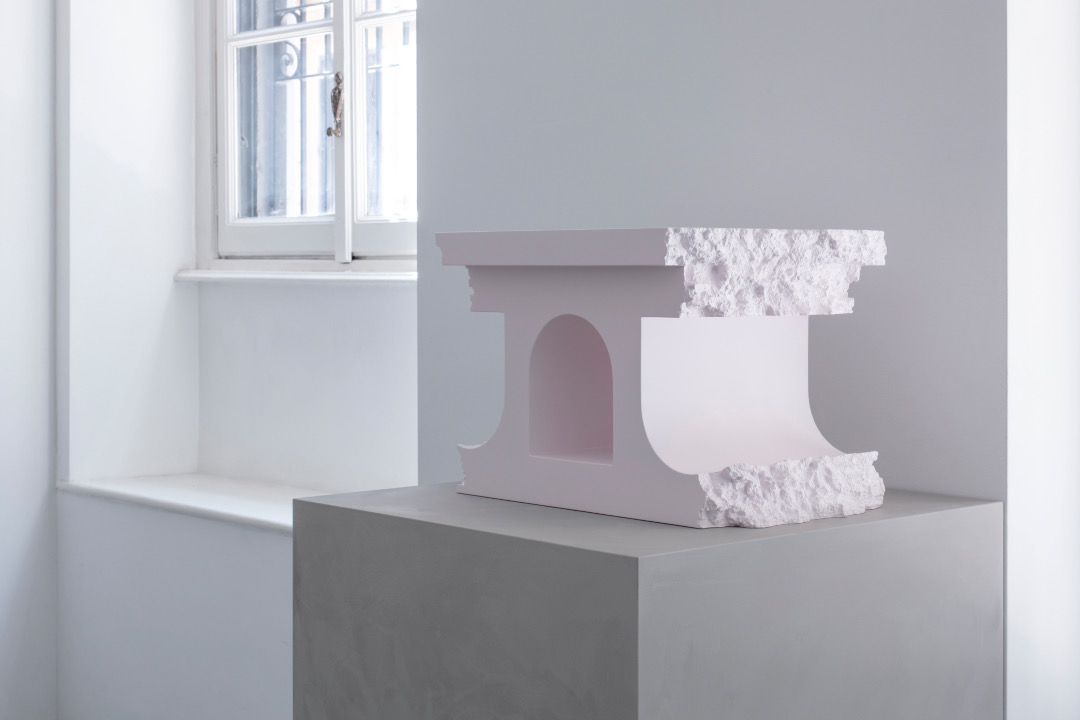
Image by Takumi Ota via nendo, featured with permission
Arsham is reputed for his long-running Fictional Archeology project, in which he imagines everyday objects as long-lost artifacts that have just been dug up from the ground. It’s a concept that mirrors the time-honored Japanese way of treasuring items that have been taken apart, “as displayed in the easily dismountable joinery of wood construction or in barrels made of just wooden planks and held together by a hoop,” says nendo.
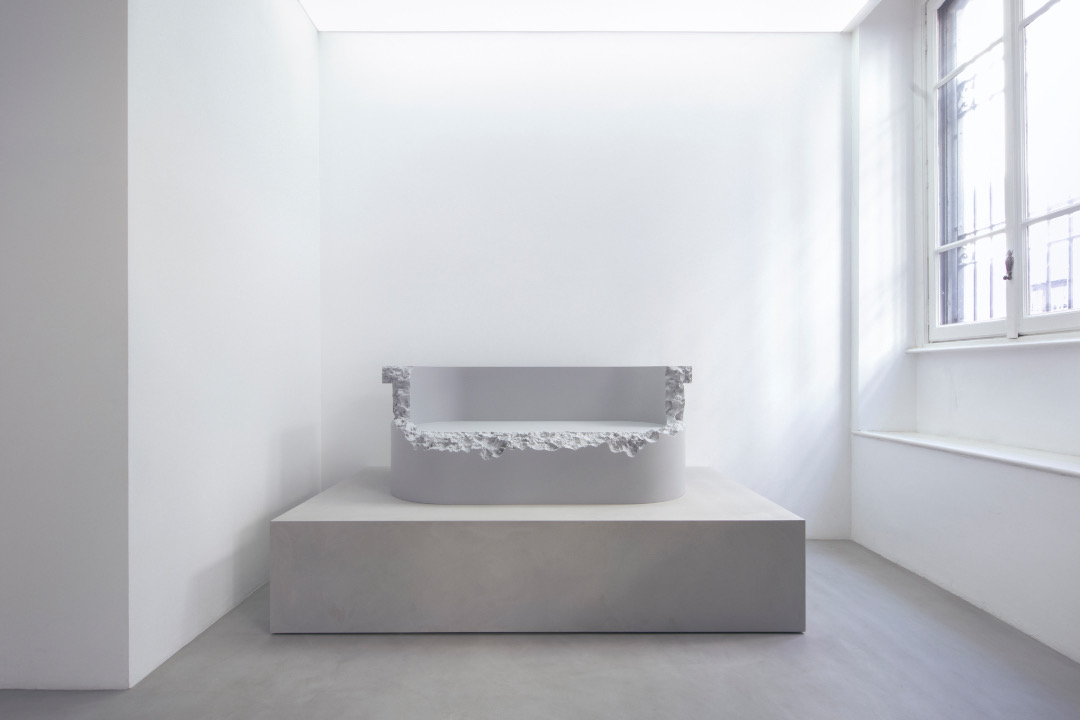
Image by Takumi Ota via nendo, featured with permission
“An artist who creates by breaking, and a designer who creates things to be broken,” nendo details. “An artist who expresses present objects as past artifacts, and a designer who makes present objects that anticipate the future. The collaboration may be seen as an overlay of these two contrary perspectives.”
Images by Akihiro Yoshida via nendo, featured with permission
Images by Akihiro Yoshida via nendo, featured with permission
Images by Akihiro Yoshida via nendo, featured with permission
Images by Akihiro Yoshida via nendo, featured with permission
[via Design Milk, nendo, Friedman Benda, images by nendo and featured with permission]


