
New York Subways Trial Touchless Turnstiles To Deter Serial Fare Evaders
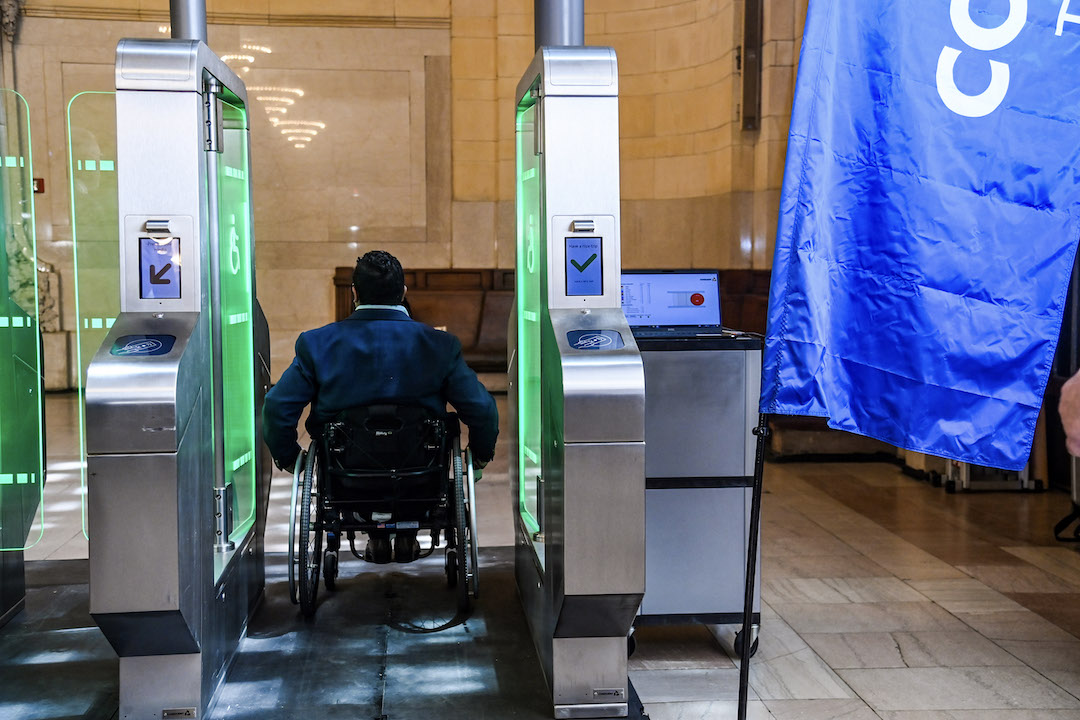
![Image: A prototype of the touchless turnstile system installed in Grand Central Terminal as part of a trial by the Metropolitan Transportation Authority (MTA) in New York City. The image shows transparent panels that swing open automatically once a trip has been paid for, replacing the traditional tripod gates. The turnstiles aim to deter fare evaders and increase accessibility in the subway system. [Image via Marc A. Hermann / MTA]](https://editorial.designtaxi.com/images/Turnstile-1-1684465296.jpg)
Whoops, fare evaders who often hop on board the subway without paying could soon find themselves unable to do so, as the Metropolitan Transportation Authority (MTA) in New York City is putting a new, touchless turnstile system to the test.
A prototype of the innovative tool has been installed in Grand Central Terminal as part of a trial, replacing the usual “tripod gate” commuters have seen for decades with an automatic system featuring transparent panels that swing open once a trip has been paid for, no touching required.
The assessment comes as the organization released a report by the Blue-Ribbon Panel on how it plans to combat fare and toll evasion across all of its networks, including on subways, buses, railroads, bridges, and even in tunnels.
Astonishingly, in just the subway system alone, fare evaders cost the agency US$258 million in lost revenues last year. Each day, it’s estimated that 400,000 riders enter the city’s terminals without paying, an equivalent of 10% to 15% of all passengers.

“This report is the product of over a year of intensive work… Fare evasion is a crisis that threatens the future of the MTA, and to solve it the panel believes a rigorous, comprehensive approach to tackle root causes is needed,” the report determined.
“By bringing New Yorkers together and centering education, equity, and changes to the physical entry experience along with a reimagined enforcement strategy, we can alleviate evasion and turn the tide,” it continued.
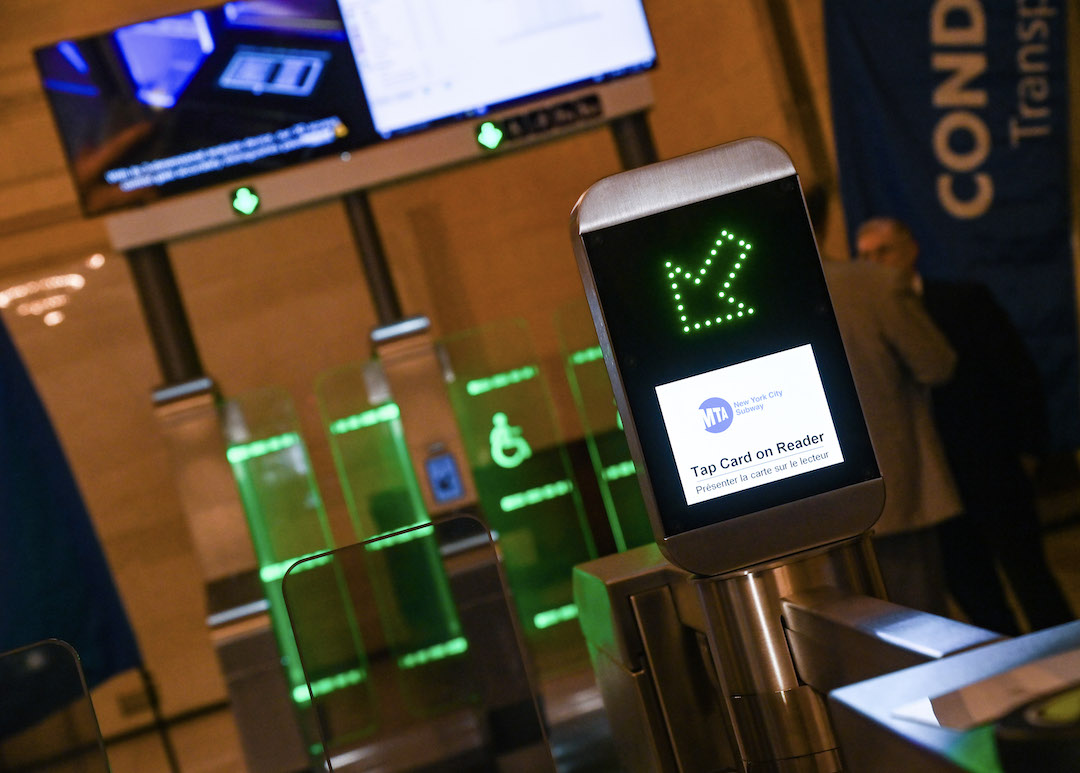
Apart from deterring recurrent fare evaders, the modernized turnstiles could help increase accessibility in subways while allowing officials to remove the existing emergency gates—which it points to as the “largest single conduit” of commuters catching free rides.
In addition, the panel posits that using technology and data sources could help pinpoint precise evasion hotspots within each subway terminal. It then plans to back the data up with a community-based approach to discouraging evasion through local organizations.
[via The Architect’s Newspaper and Metropolitan Transportation Authority, images via Marc A. Hermann / MTA]


