
Apple’s iPhone 17 / Pro / Pro Max VS iPhones 14/15/16: Worth The Upgrade?

Apple has once again given its flagship phones a fresh coat of polish. At its September 9 Awe Dropping event in Cupertino, the company revealed the iPhone 17 series, a family of four that includes the standard iPhone 17, the featherlight iPhone Air, and the higher-spec iPhone 17 Pro and Pro Max. The Air now steps into the slot once held by the Plus, while the Pro models gain new looks and more ambitious hardware.
But are those updates meaningful enough to justify leaving behind a perfectly good iPhone 14, 15, or 16? Here’s a breakdown.
What’s New in the iPhone 17?
Apple’s new lineup brings four models: the standard iPhone 17, the super-slim iPhone Air, and the redesigned iPhone 17 Pro and Pro Max. Across the board, every model now includes Apple’s custom N1 wireless chip (Wi-Fi 7, Bluetooth 6, Thread) and an upgraded C1X 5G modem for faster connectivity and better efficiency.
The iPhone 17 steps up with a 6.3-inch OLED screen featuring 120 Hz ProMotion (previously only on Pros), brighter 3,000-nit peak brightness, and a tougher Ceramic Shield 2. It also upgrades to dual 48 MP ‘Dual Fusion’ rear cameras and an 18 MP Center Stage selfie camera.

The standard iPhone 17. Image via Apple
The Pro models offer more dramatic changes: a horizontal “camera plateau,” triple 48 MP cameras with an effective 8× zoom, vapor-chamber cooling, aluminum unibody (not titanium), A19 Pro chip, and significantly larger batteries—up to ~5,000 mAh in Pro Max. Apple claims up to 40% better sustained performance compared to iPhone 16 Pro.
Is the iPhone 17 Pro / Pro Max worth it?
From iPhone 14 Pro / Pro Max

iPhone 14 Pro. Image via Apple
The 14 Pro from 2022 introduced the Dynamic Island and the first 48 MP main sensor, but it didn’t have sustained performance, high zoom, or brighter 3,000-nit displays.

Photos taken on the iPhone 14 Pro. Image via Apple
Jumping to the 17 Pro gets you triple 48 MP cameras, an 8X telephoto on the Pro Max, vapor-chamber cooling to avoid throttling in long gaming or video sessions, and far better battery endurance. For creative users, the 17 Pro is miles ahead.

Photo taken on the iPhone 17 Pro. Image via Apple
iPhone 14 Pro
Display: 6.1” Super Retina XDR OLED with always-on 120 Hz ProMotion, up to 2,000 nits peak brightness.
Rear Cameras: Triple setup—48 MP main (sensor-shift OIS), 12 MP ultrawide, 12 MP telephoto; includes LiDAR and advanced computational video features.
Front Camera: 12 MP TrueDepth with autofocus and Smart HDR.
Chip: A16 Bionic, 6-core CPU (2 performance + 4 efficiency), 5-core GPU, 16-core Neural Engine.
iPhone 17 Pro / Pro Max (starts at US$1,099 / US$1,199)
Display: 6.3” (Pro) and 6.9” (Pro Max) Super Retina XDR OLED with 120 Hz ProMotion and up to 3,000 nits brightness.
Rear Cameras: Triple 48 MP sensors, including a telephoto with 8× optical-quality zoom; housed in a full-width “camera plateau” design.
Front Camera: 18 MP with Center Stage auto-framing.
Performance: A19 Pro chip with enhanced performance and thermal management through vapor cooling; improved battery capacity with up to 39 hours of video playback on Pro Max.
Storage Options: 256 GB, 512 GB, or 1 TB, or—in a first for iPhone—2 TB (with the Pro Max).
Verdict: For 14 Pro users, the 17 Pro series is a noticeably different phone—both in performance and design.
From iPhone 15 Pro / Pro Max

iPhone 15 Pro. Image via Apple
2023’s 15 Pro brought titanium frames and a 5X telephoto on the Pro Max, but those models ran hot under pressure and had modest battery life. The 17 Pro swaps titanium for aluminum but adds vapor cooling, meaning fewer slowdowns under heavy use.
iPhone 15 Pro’s optical zoom. Video via Apple
Zoom also improves, especially with the 8X lens on the Pro Max, and both 17 Pro models get the broader 48 MP triple system.

Apple: “The new 4X Telephoto camera on iPhone 17 Pro and iPhone 17 Pro Max has a 56 percent larger sensor, providing better detail across all light levels, and with an additional 8x lens, users can get even closer to their subject.” Image via Apple
iPhone 15 Pro
Display: 6.1” OLED Super Retina XDR, always-on 120 Hz ProMotion, up to 2,000 nits peak brightness.
Rear Cameras: 48 MP main ProRAW support, plus 3× telephoto on Pro and 5× on Pro Max, along with a range of focal presets.
Front Camera: 12 MP TrueDepth with autofocus and Cinematic mode.
Chip: A17 Pro, 6 cores, including 6-core GPU and 16-core Neural Engine.
iPhone 17 Pro / Pro Max (starts at US$1,099 / US$1,199)
Display: 6.3” (Pro) and 6.9” (Pro Max) Super Retina XDR OLED with 120 Hz ProMotion and up to 3,000 nits brightness.
Rear Cameras: Triple 48 MP sensors, including a telephoto with 8× optical-quality zoom; housed in a full-width “camera plateau” design.
Front Camera: 18 MP with Center Stage auto-framing.
Performance: A19 Pro chip with enhanced performance and thermal management through vapor cooling; improved battery capacity with up to 39 hours of video playback on Pro Max.
Storage Options: 256 GB, 512 GB, or 1 TB, or—in a first for iPhone—2 TB (with the Pro Max).
Verdict: The 17 Pro swaps titanium for aluminum with vapor cooling, so while it’s slightly heavier, it performs better under sustained loads. This feels like a more meaningful step if you rely on the camera or push your phone hard with video and gaming. For 15 Pro owners who value photography or gaming, the 17 Pro feels like a stronger reason to trade up.
From iPhone 16 Pro / Pro Max
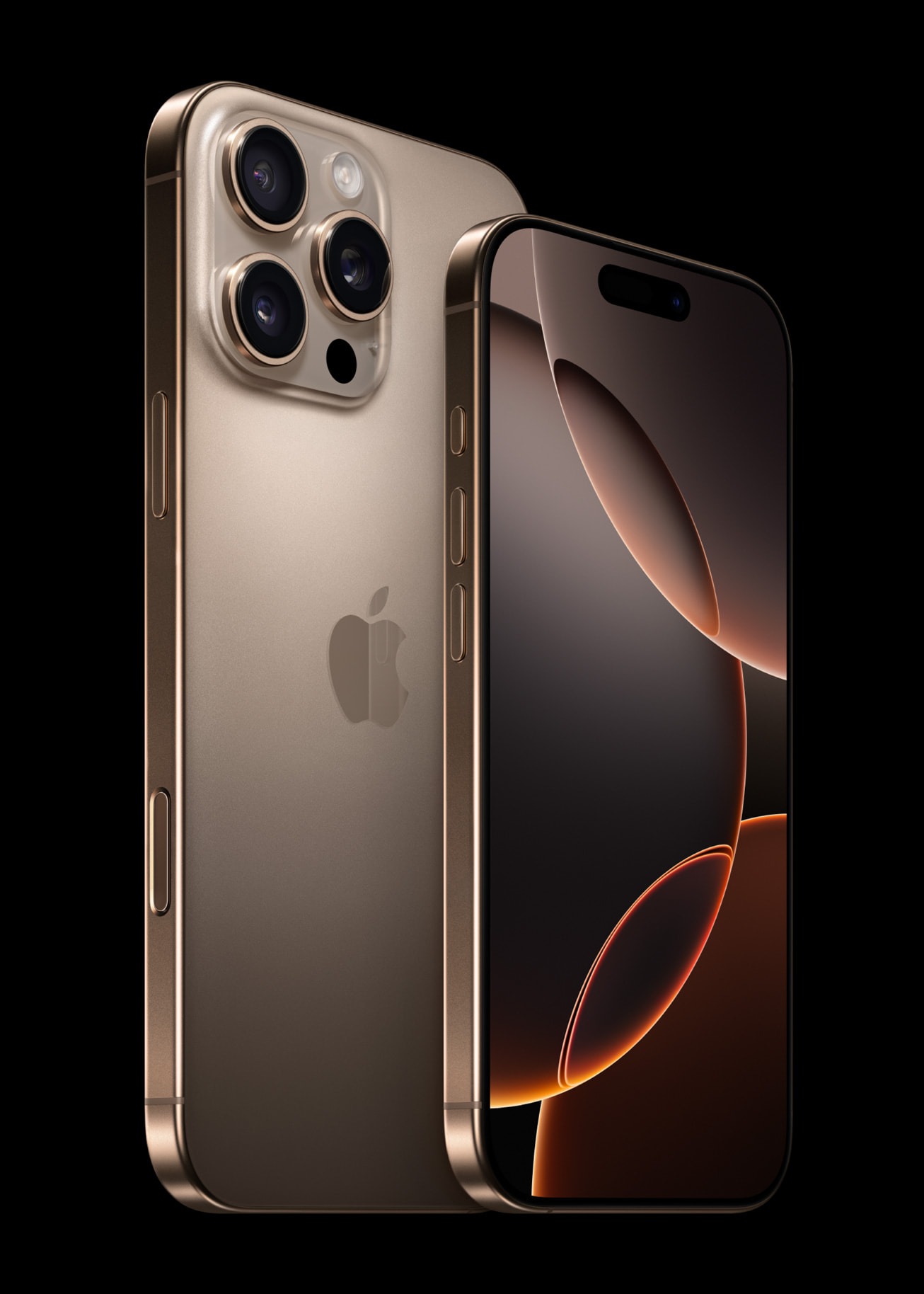
iPhone 16 Pro and Pro Max. Image via Apple
The 17 Pro models get a redesigned aluminum unibody and a new horizontal “camera plateau” that houses three 48 MP cameras, including improved telephoto with up to 8X optical-quality zoom on the Pro Max. This is a clear edge over the iPhone 16 Pro, which maxed out at 5X on the Pro Max only.

Photos taken on the iPhone 16 Pro. Image via Apple

Photo taken on the iPhone 17 Pro. Image via Apple

Photo taken on the iPhone 17 Pro. Image via Apple
For photographers and videographers, the difference is real—better zoom range, more stable low-light shots, and ProRes RAW capture with Genlock synchronization (useful for multicam video work).

Photo taken on the iPhone 17 Pro. Image via Apple
Performance-wise, the A19 Pro chip plus vapor-chamber cooling allows sustained speeds about 40% better than the iPhone 16 Pro in stress tests. This is less about day-to-day browsing and more about heavy workloads like 4K editing, gaming, and AR apps, where the 16 Pro might throttle under heat. Battery life also improves: estimates suggest up to 33–40 hours of video playback on Pro Max versus ~29 on the 16 Pro Max.
Gaming on the iPhone 16 Pro. Video via Apple
Apple: “The new A19 Pro chip is faster with a 6-core GPU and delivers stunning visuals for next-level gaming, benefitting titles like Arknights: Endfield.” Video via Apple
iPhone 16 Pro
Display: 6.3” OLED with ProMotion and 60-120 Hz adaptive refresh; always-on; peak brightness around 2,000 nits
Rear Cameras: Triple lenses—48 MP wide, 48 MP ultrawide (120°), and 12 MP telephoto with 5× optical zoom; includes Camera Control button and Dolby Vision 4K@120fps capture.
Front Camera: 12 MP TrueDepth with enhanced low-light performance.
Chip: A18 Pro with high-performance architecture and enhanced efficiency.
iPhone 17 Pro / Pro Max (starts at US$1,099 / US$1,199)
Display: 6.3” (Pro) and 6.9” (Pro Max) Super Retina XDR OLED with 120 Hz ProMotion and up to 3,000 nits brightness.
Rear Cameras: Triple 48 MP sensors, including a telephoto with 8× optical-quality zoom; housed in a full-width “camera plateau” design.
Front Camera: 18 MP with Center Stage auto-framing.
Performance: A19 Pro chip with enhanced performance and thermal management through vapor cooling; improved battery capacity with up to 39 hours of video playback on Pro Max.
Storage Options: 256 GB, 512 GB, or 1 TB, or—in a first for iPhone—2 TB (with the Pro Max).
Verdict: If you’re a content creator or heavy user, the 17 Pro/Pro Max are meaningful upgrades. For everyday users on a 16 Pro, the differences may feel incremental.
Is the base iPhone 17 worth it?
From iPhone 14 or 14 Plus

iPhone 14. Image via Apple
Worth it? Yes—if you’re after brighter display and camera upgrades.
If you’re still holding onto an iPhone 14, the leap to iPhone 17 is substantial. The 17 brings a smoother 120 Hz display (the 14 was stuck at 60 Hz unless you bought a Pro), far brighter outdoor visibility at 3,000 nits, and tougher Ceramic Shield 2 glass. Camera upgrades are also clear: instead of two 12 MP lenses, you now get a 48 MP Dual Fusion main system plus an 18 MP selfie camera that can auto-frame group shots with Center Stage. In everyday use, this means visibly sharper photos, smoother scrolling, and less frustration in bright sunlight.

Photos taken on iPhone 14. Images via Apple

Photos taken on iPhone 17. Images via Apple
iPhone 14
Display: 6.1-inch Super Retina XDR OLED at ~460 ppi, 60 Hz refresh rate, 800 nits typical brightness, up to 1,200 nits peak.
Rear Camera: Dual 12 MP setup (wide and ultrawide), with Photonic Engine, Deep Fusion, Smart HDR 4.
Front Camera: 12 MP TrueDepth, autofocus, captures 4 K video.
Chip: A15 Bionic, 6-core CPU, 5-core GPU, 16-core Neural Engine.
iPhone 17 (starts at US$799)
Display: 6.3-inch Super Retina XDR OLED with ProMotion adaptive 120 Hz, Ceramic Shield 2 cover, up to 3,000 nits peak outdoor brightness.
Rear Camera: 48 MP Dual Fusion system—wide plus ultrawide fused technology.
Front Camera: 18 MP Center Stage lens, includes auto-framing enhancements.
Chip: A19 (non-Pro), 6-core CPU, improved bandwidth and cache over previous chips.
From iPhone 15 / 15 Plus

iPhone 15. Image via Apple
Worth it? Maybe—depending on your priorities.
For iPhone 15 users, the gains are smaller but still noticeable. You’re stepping up to ProMotion 120 Hz, plus Wi-Fi 7 and Bluetooth 6 thanks to Apple’s new N1 chip. The main camera also upgrades to 48 MP across all lenses. That said, unless you’re chasing smoother animations and faster wireless, the day-to-day experience won’t feel dramatically different.

Photos taken on iPhone 15. Image via Apple

Photo taken on iPhone 17. Image via Apple
iPhone 15
Display: 6.1-inch Super Retina XDR OLED, 60 Hz, up to 2,000 nits peak brightness; features Dynamic Island and USB-C port.
Rear Camera: 48 MP main and 12 MP ultrawide, Smart HDR, Night Mode.
Front Camera: 12 MP with autofocus and Portrait Lighting.
Chip: A16 Bionic, 6-core CPU (2 performance + 4 efficiency), 5-core GPU, 16-core Neural Engine.
iPhone 17 (starts at US$799)
Display: 6.3-inch OLED, upgraded to ProMotion 120 Hz and much brighter at 3,000 nits.
Rear Camera: Sharp upgrade to 48 MP Dual Fusion system for better quality.
Front Camera: Upgraded 18 MP with Center Stage.
Chip: A19 N/A exact comparison, but estimated at ~20% faster CPU and up to ~120% faster GPU than A16.
From iPhone 16
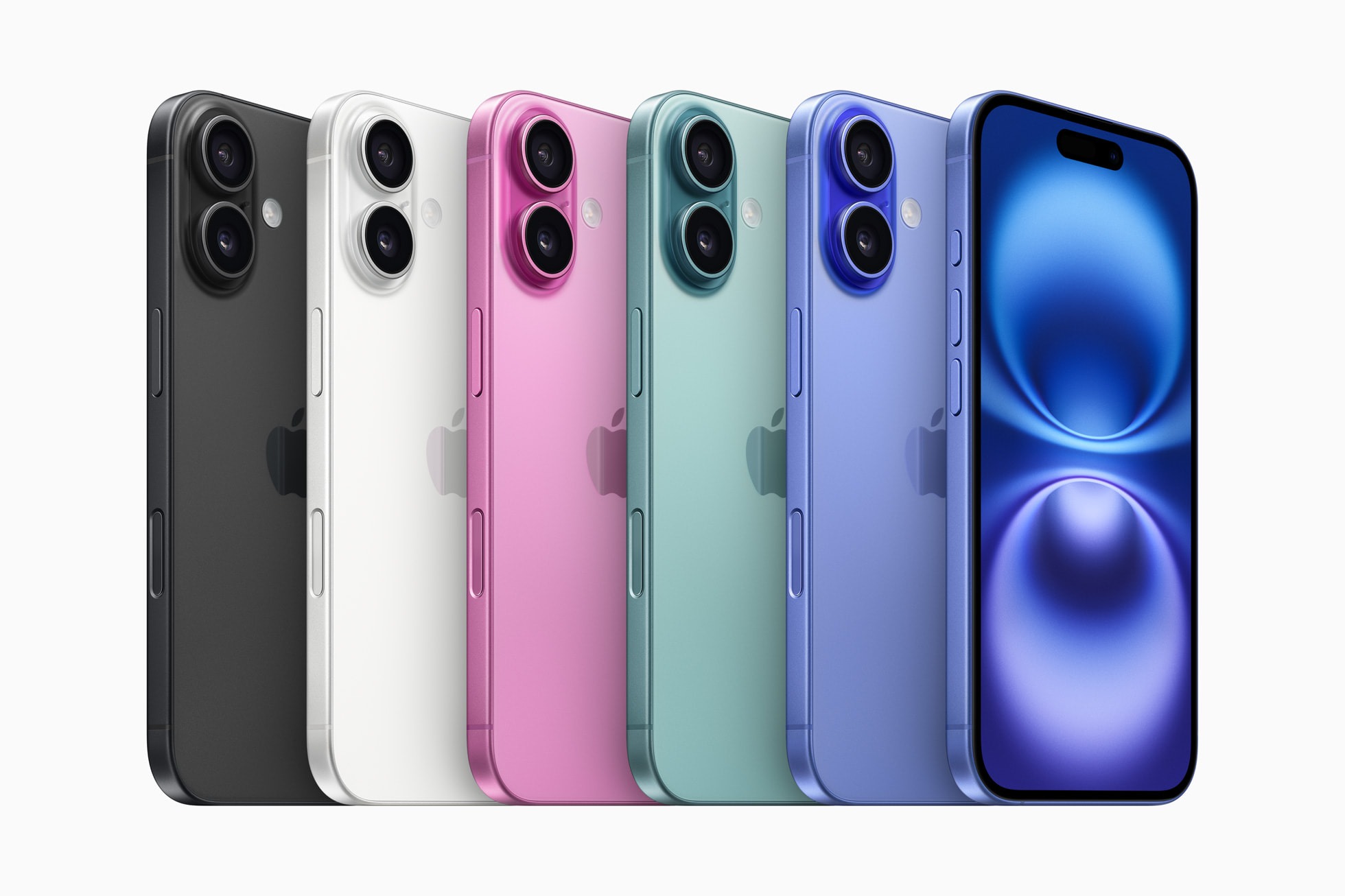
iPhone 16. Image via Apple
Worth it? Optional; upgrading won’t radically change your day-to-day experience. Both phones feel fast, both have solid cameras, and both already run Apple Intelligence in iOS 26.

Photos taken on iPhone 16. Image via Apple

Photo taken on iPhone 17. Image via Apple
Here, the changes are incremental. The iPhone 16 already introduced stronger chips and decent cameras. The iPhone 17 gives you a brighter screen and efficiency improvements with the A19, but for most casual users, a 16 with a fresh battery will still feel very current.
iPhone 16
Display: Super Retina XDR OLED, 6.1-inch, 460 ppi, HDR, up to ~2,000 nits peak brightness, with Dynamic Island and HDR support.
Rear Camera: 48 MP Fusion wide (f/1.6) plus 12 MP ultrawide, with 2× telephoto emulation, macro capture, and “Camera Control” hardware button.
Front Camera: 12 MP TrueDepth.
Chip: A18 (built for Apple Intelligence), improved battery life, faster performance.
iPhone 17 (starts at US$799)
Display: 6.3-inch Super Retina XDR OLED with ProMotion 120 Hz, Ceramic Shield 2, and 3,000 nits peak brightness.
Rear Camera: 48 MP Dual Fusion system combining capabilities of telephoto and ultrawide lenses.
Front Camera: 18 MP with Center Stage and auto-framing capabilities.
Chip: A19 (non-Pro), 6-core CPU and improved GPU with up to double GPU performance over earlier chips.
Final Verdict
For everyday users, the iPhone 17 (obviously) makes the most sense as an upgrade from the iPhone 14 or earlier. That jump delivers smoother displays, brighter screens, and camera systems that feel like a genuine step forward. From the iPhone 15, the improvements—like ProMotion and better wireless—are welcome but not game-changing, and from the iPhone 16, the differences are mostly refinements rather than reinventions.
On the Pro side, the gains are more meaningful if you’re a creator, gamer, or power user. The iPhone 17 Pro and Pro Max bring stronger zoom, better thermal performance, and longer battery life—upgrades that can matter if you push your phone to its limits. But if you’re already holding a 16 Pro, you won’t feel left behind.
In short, the iPhone 17 series is a confident refresh, but whether it’s “worth it” depends less on Apple’s new tricks and more on how old—and how tired—your current phone really is.


