
These A’ Design Award Winning Designs Bring Joy & Discovery To Everyday Objects
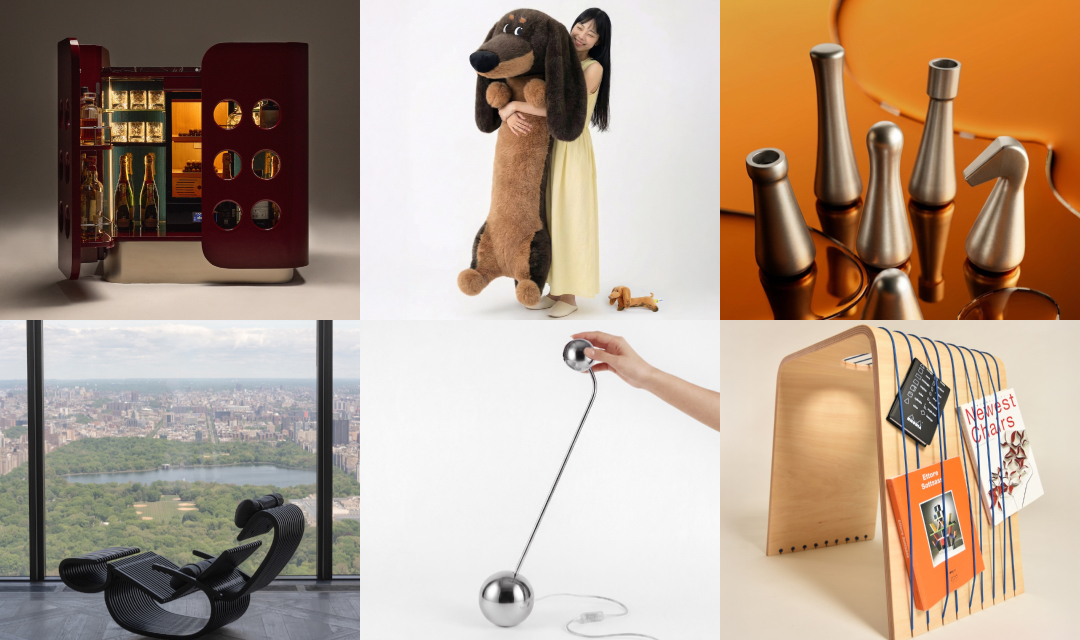
A’ Design Award & Competition recognizes creative work across a wide range of disciplines, giving designers and their ideas an international platform. Here, we’re turning our attention to the Good Industrial Design Award, where familiar objects offer plenty of room for fresh thinking.
Industrial design is where ideas take shape: how something feels in the hand, fits into a room, or makes a task easier can be as compelling as its appearance. The competition welcomes both realized products and concepts, allowing different approaches to practical problems to share the spotlight.
The prizewinning works below offer a closer look at that creative range, with designs that invite us to reconsider the objects around us.
Have a project of your own to put forward? Register today and submit your entry by February 28, 2027. Winners will be announced on May 1, 2027.
Nevi Kinetic Desk Lamp
Nevi takes a cue from the roly-poly toys that wobble without losing their footing. Andrei Ananenka applies that balancing act to a stainless steel desk lamp, pairing a rounded base with a slender stem. A gentle touch sends it swaying before it settles upright again. Contrasting brushed and mirror-polished surfaces give the movement another dimension, catching reflections as the lamp rocks.
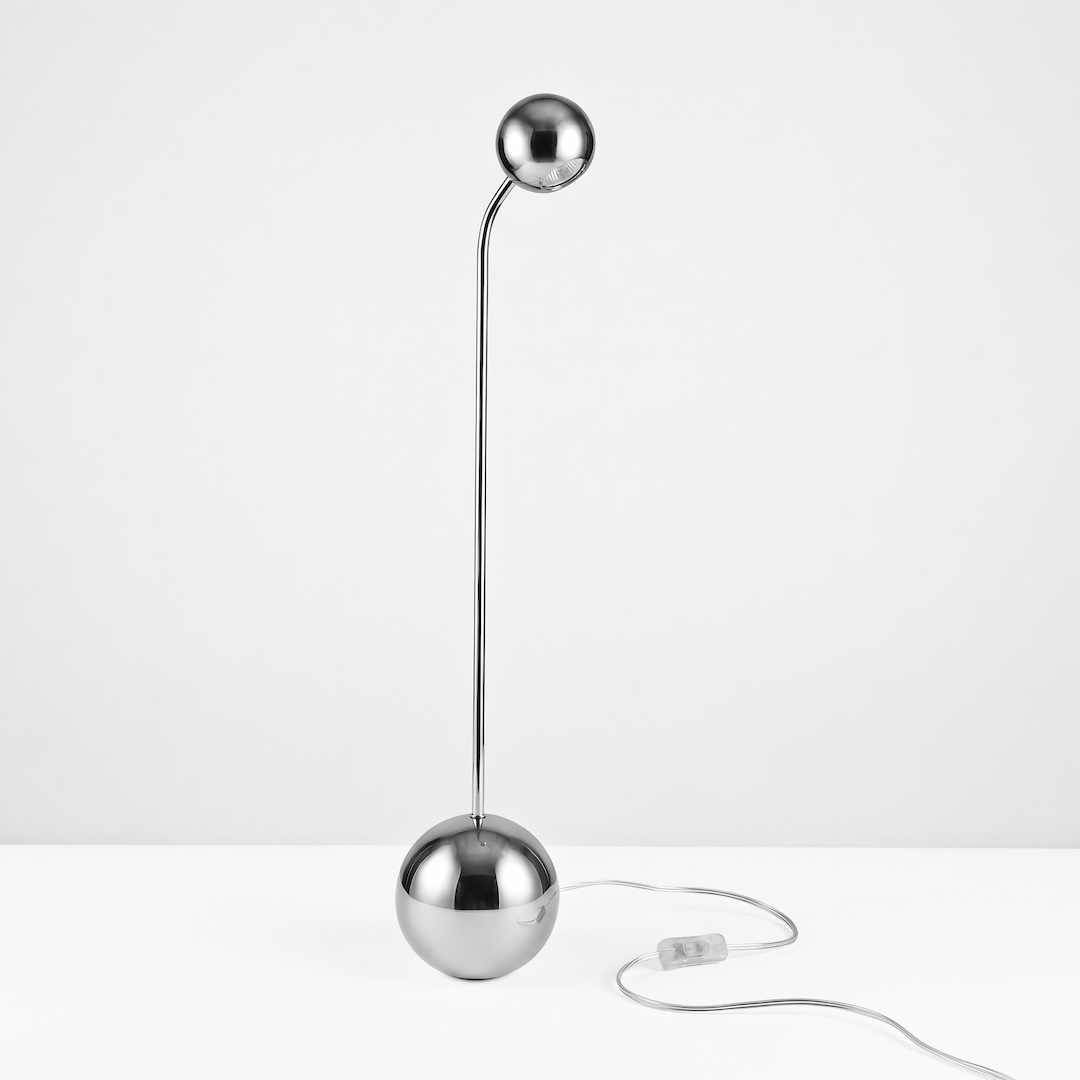
Nevi Kinetic Desk Lamp by Andrei Ananenka
For desk work, Nevi provides a focused 20-degree beam with a color rendering index above 90. Its aluminum packaging has a second assignment, too. After unboxing, a wireless 3000K LED module lights a CNC-milled outline of the lamp on the lid, turning the container into an ambient light. The same self-centering principle carries through both objects.
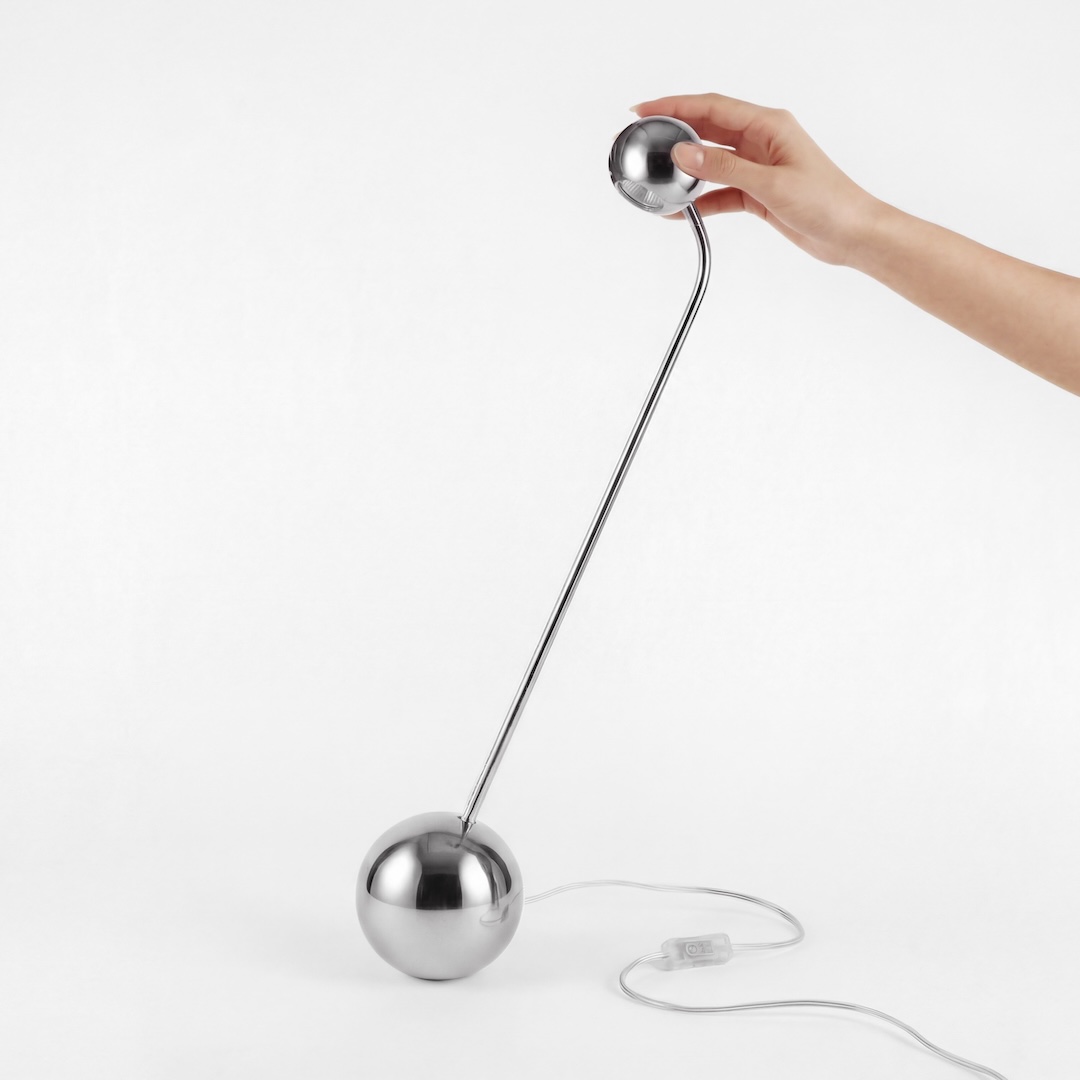
Nevi Kinetic Desk Lamp by Andrei Ananenka
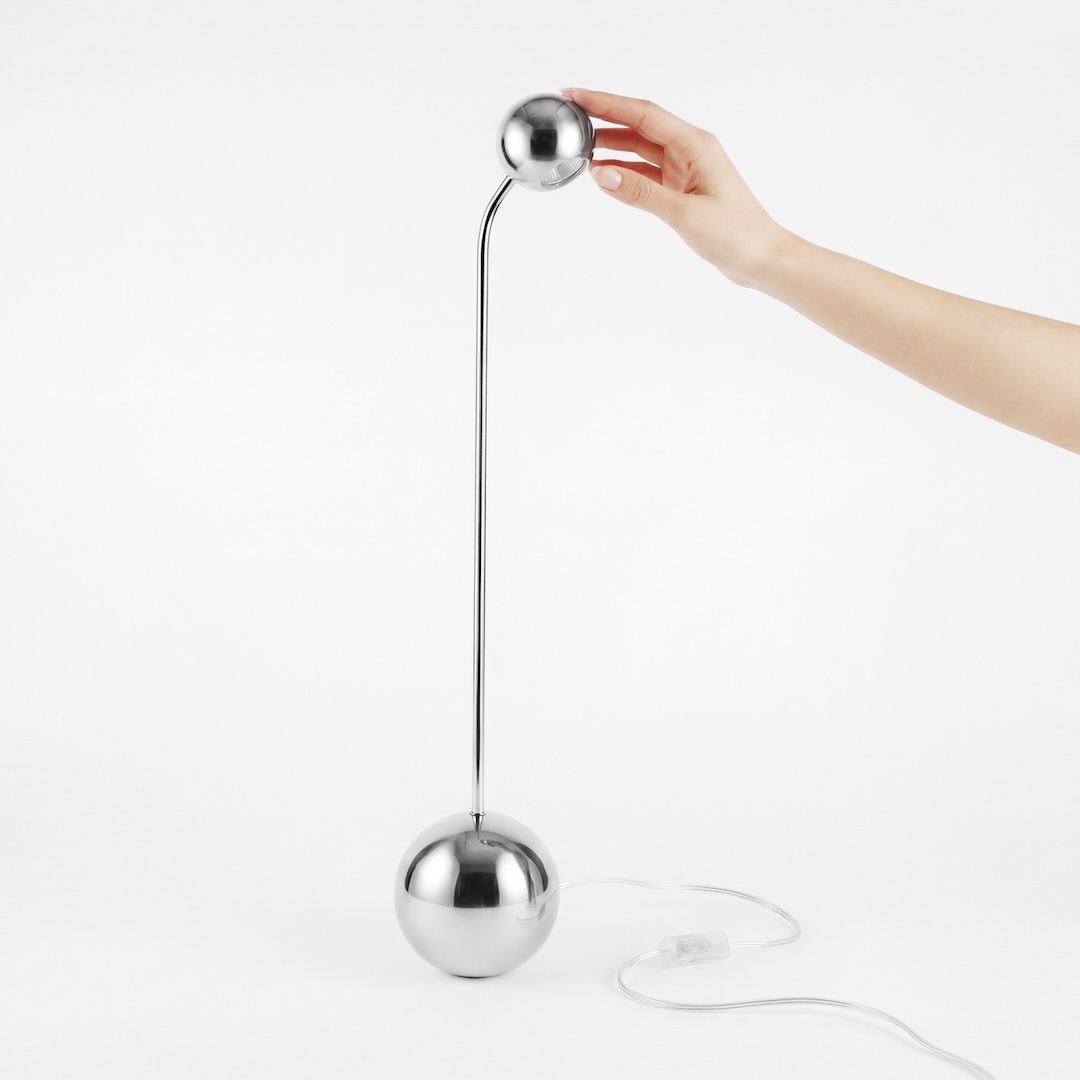
Nevi Kinetic Desk Lamp by Andrei Ananenka
The Cuban Bar Cabinet
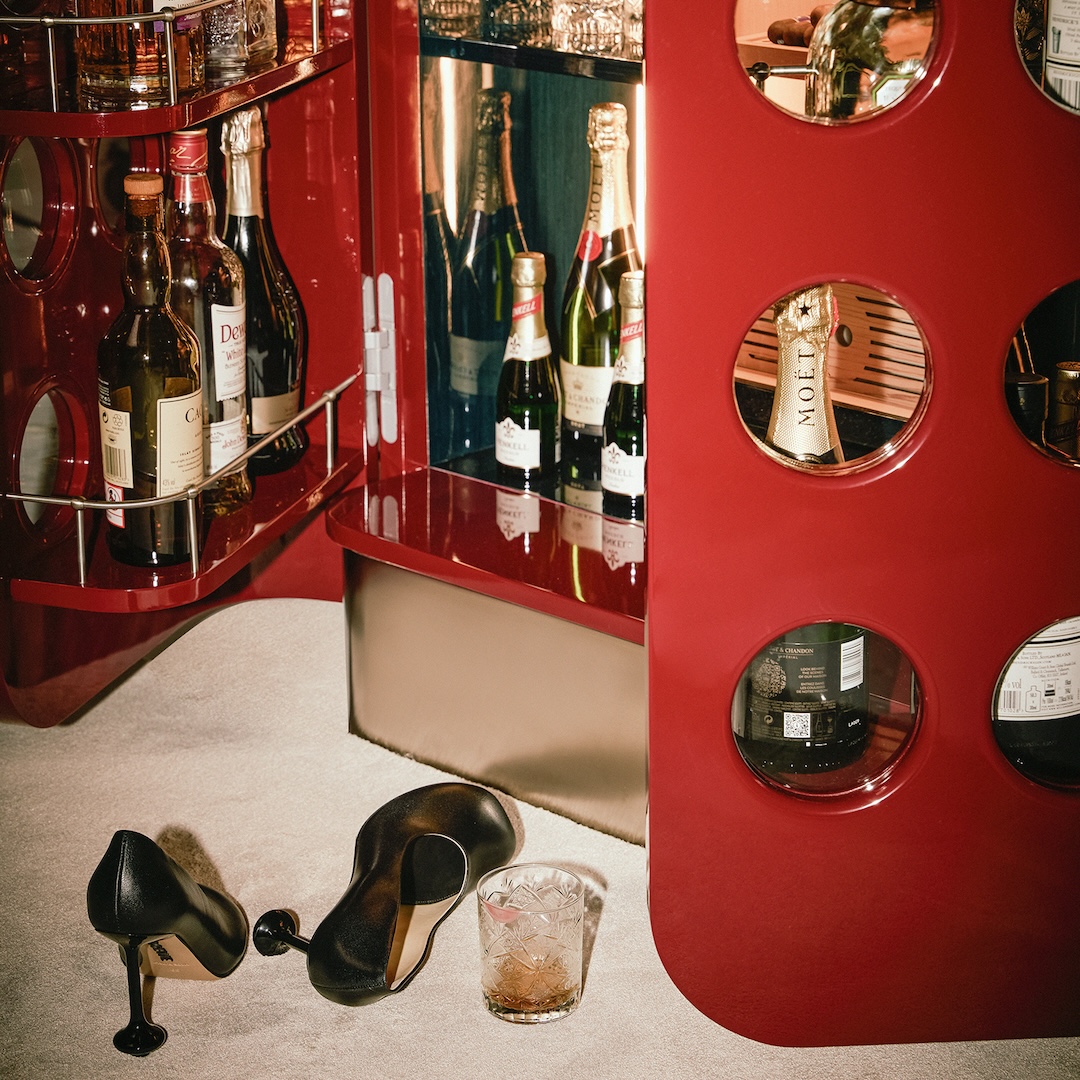
The Cuban brings the drinks cabinet and DJ booth to the same party. Uslu Design Studio approaches the piece as furniture that people can gather around, with a front-facing bar and display area and space for turntables and music equipment accessible from behind. Opening its doors reveals the contents, giving the cabinet a gradual reveal rather than putting everything on show at once.
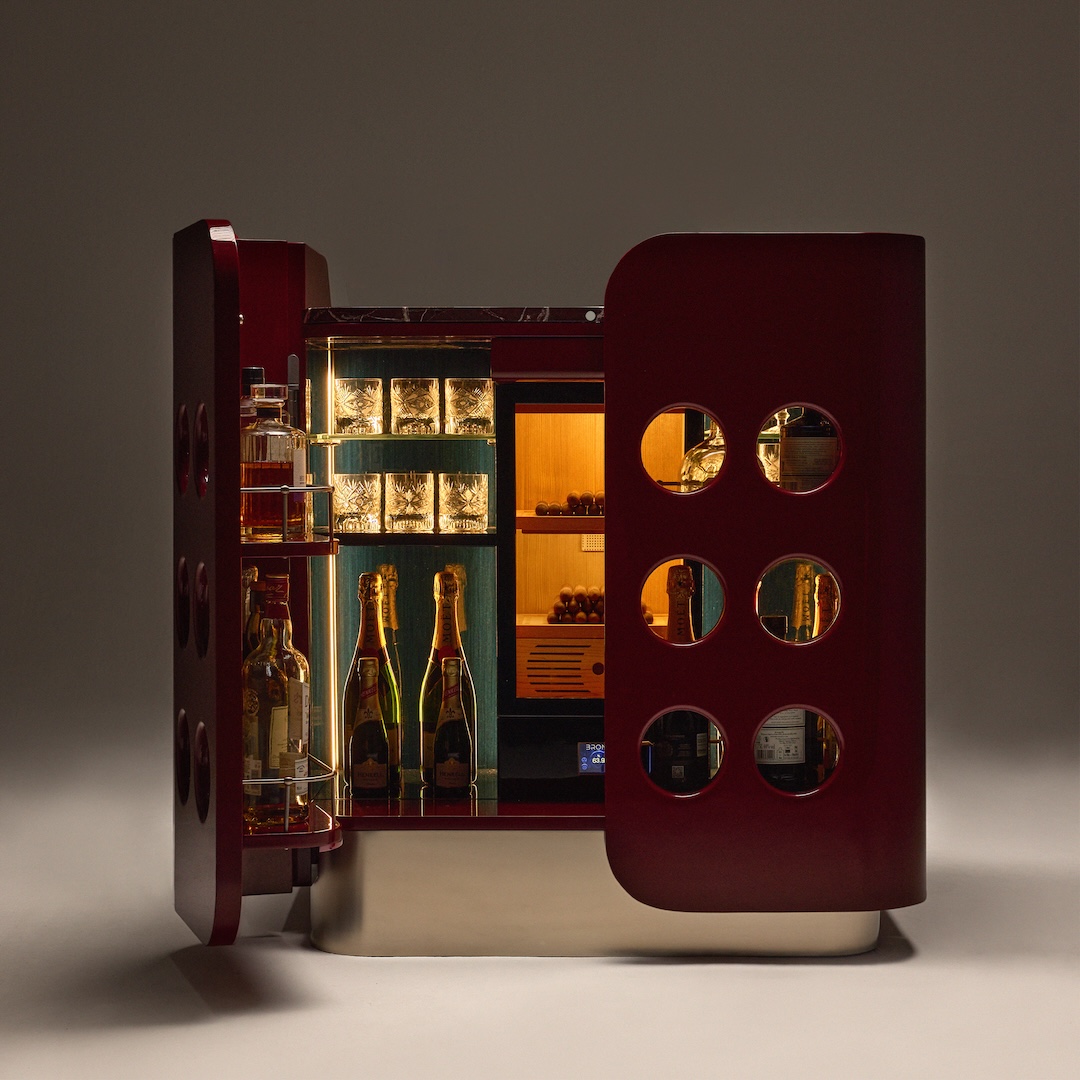
The Cuban Bar Cabinet by Uslu Design Studio
An integrated humidor provides cigar storage, while digital controls manage humidity and lighting. High-gloss lacquer, stainless steel, and marble shape its appearance. The arrangement gives the cabinet several jobs within a social space, bringing storage, serving, and music together in one piece.
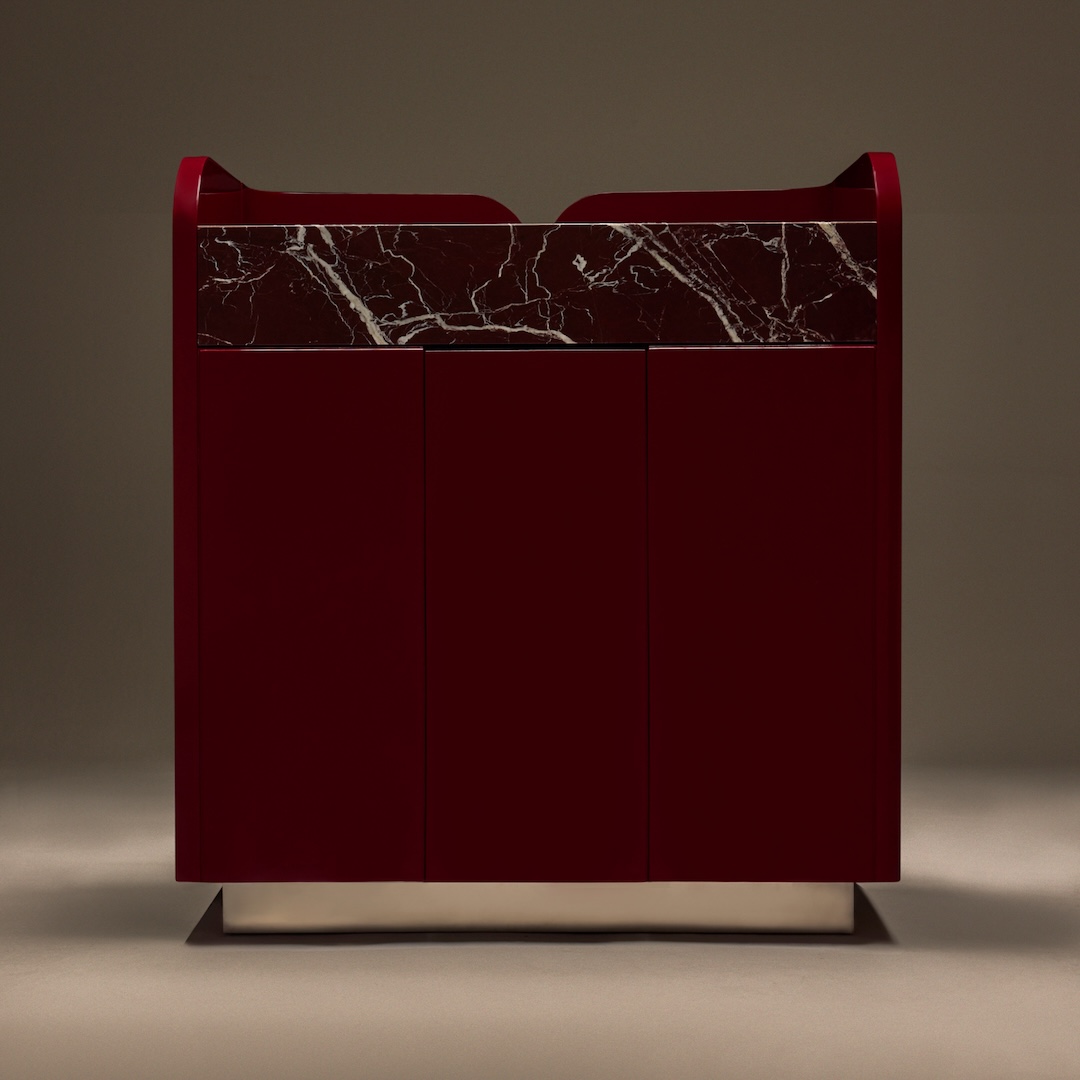
The Cuban Bar Cabinet by Uslu Design Studio
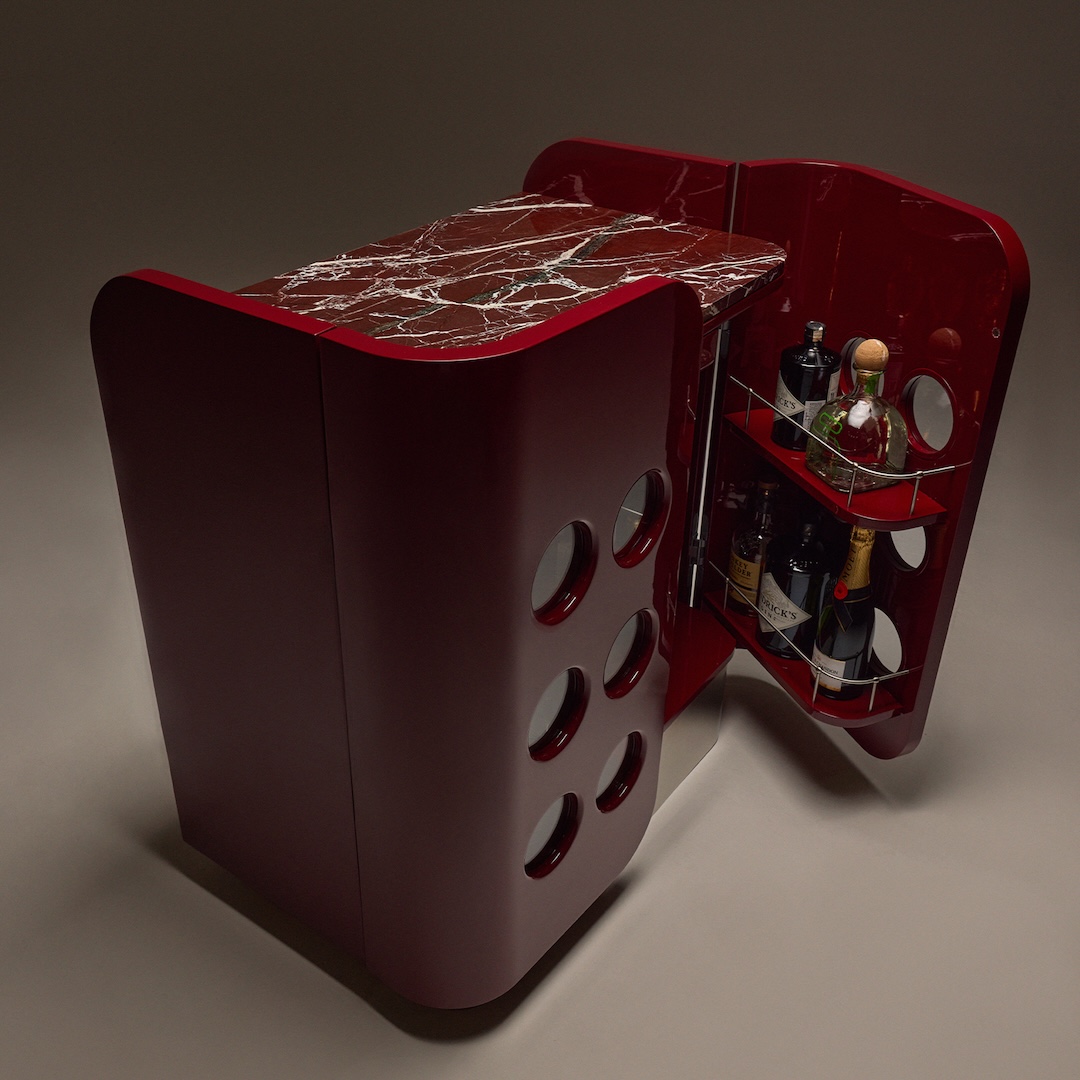
The Cuban Bar Cabinet by Uslu Design Studio
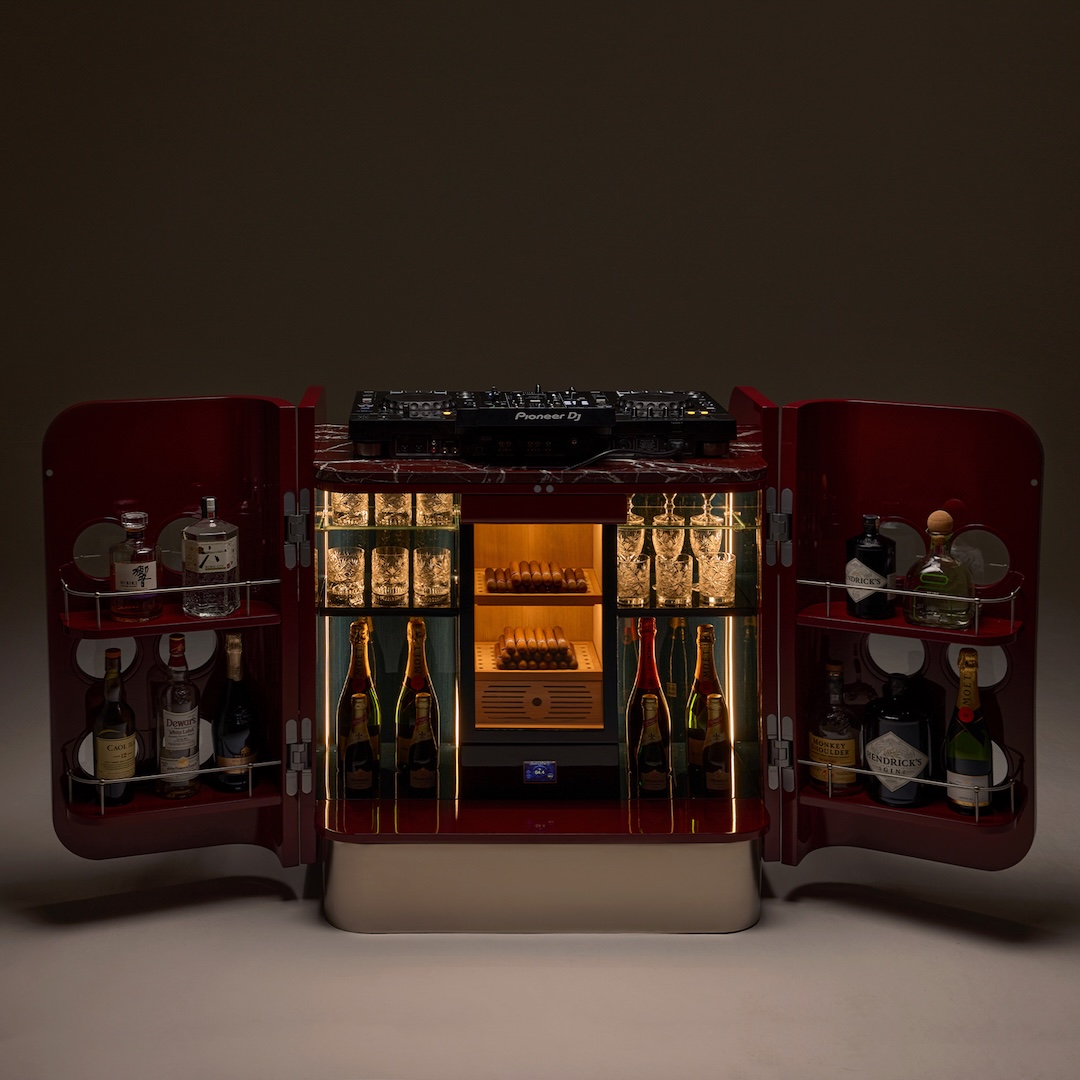
The Cuban Bar Cabinet by Uslu Design Studio
The Cuban Bar Cabinet by Uslu Design Studio
Birdcage Chair
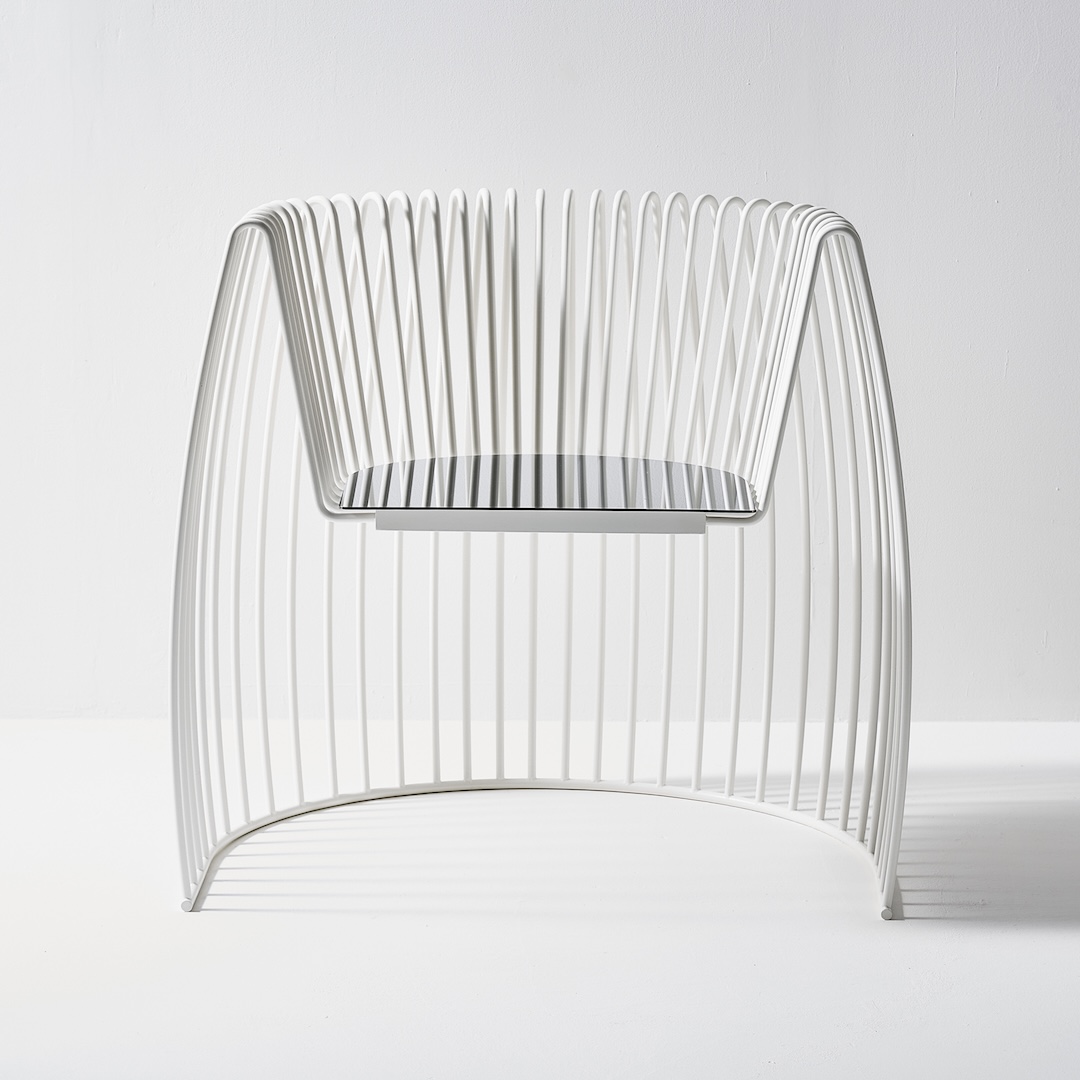
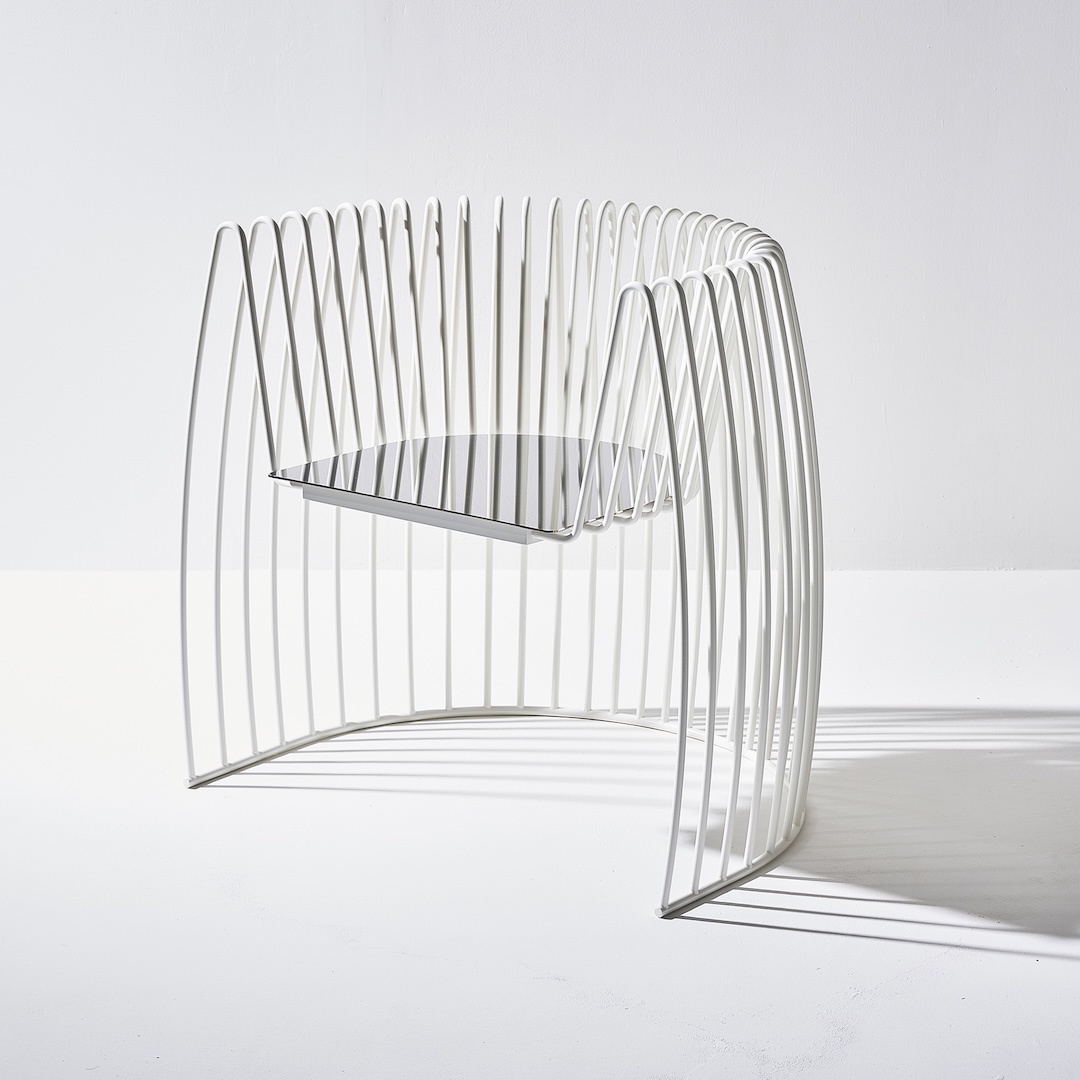
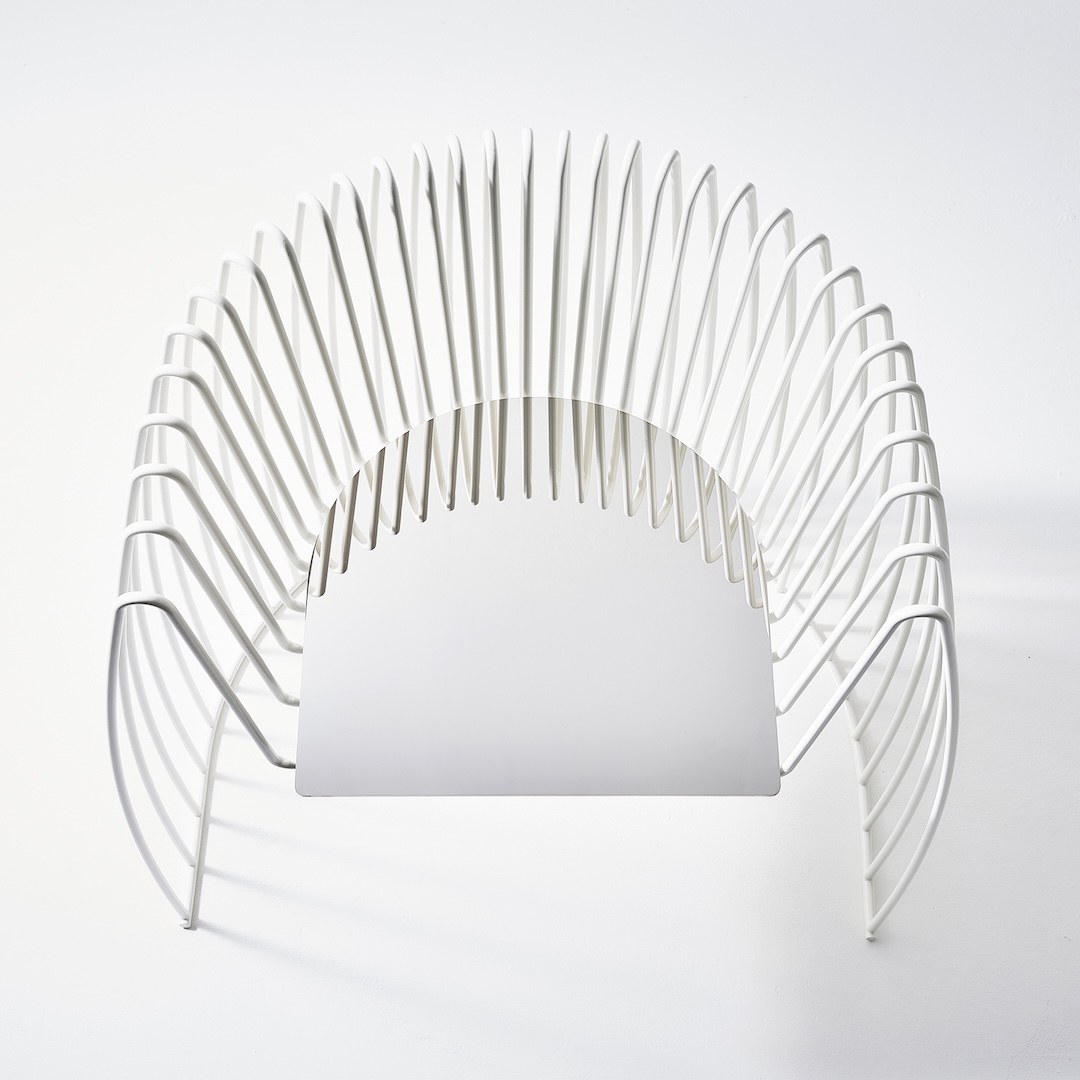
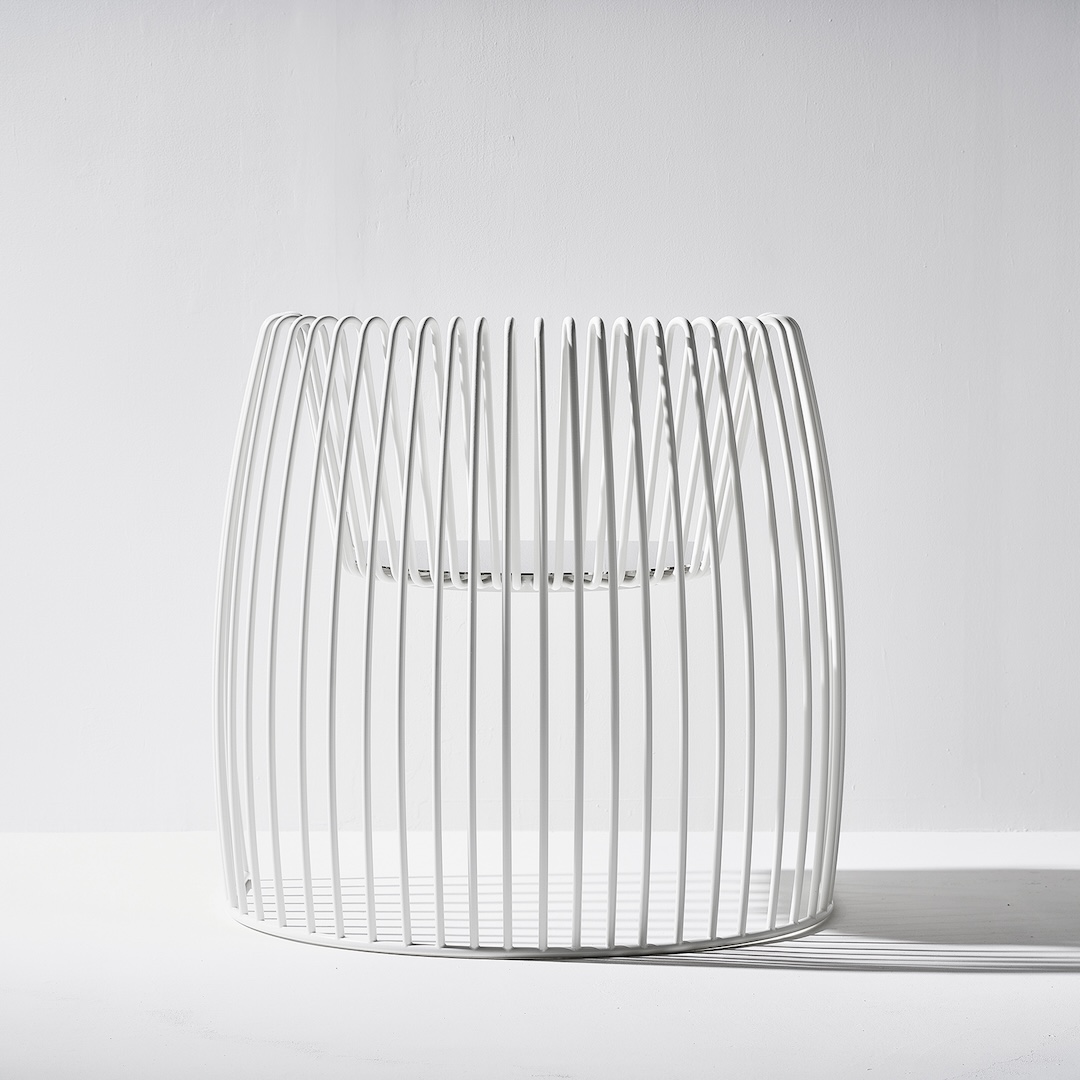
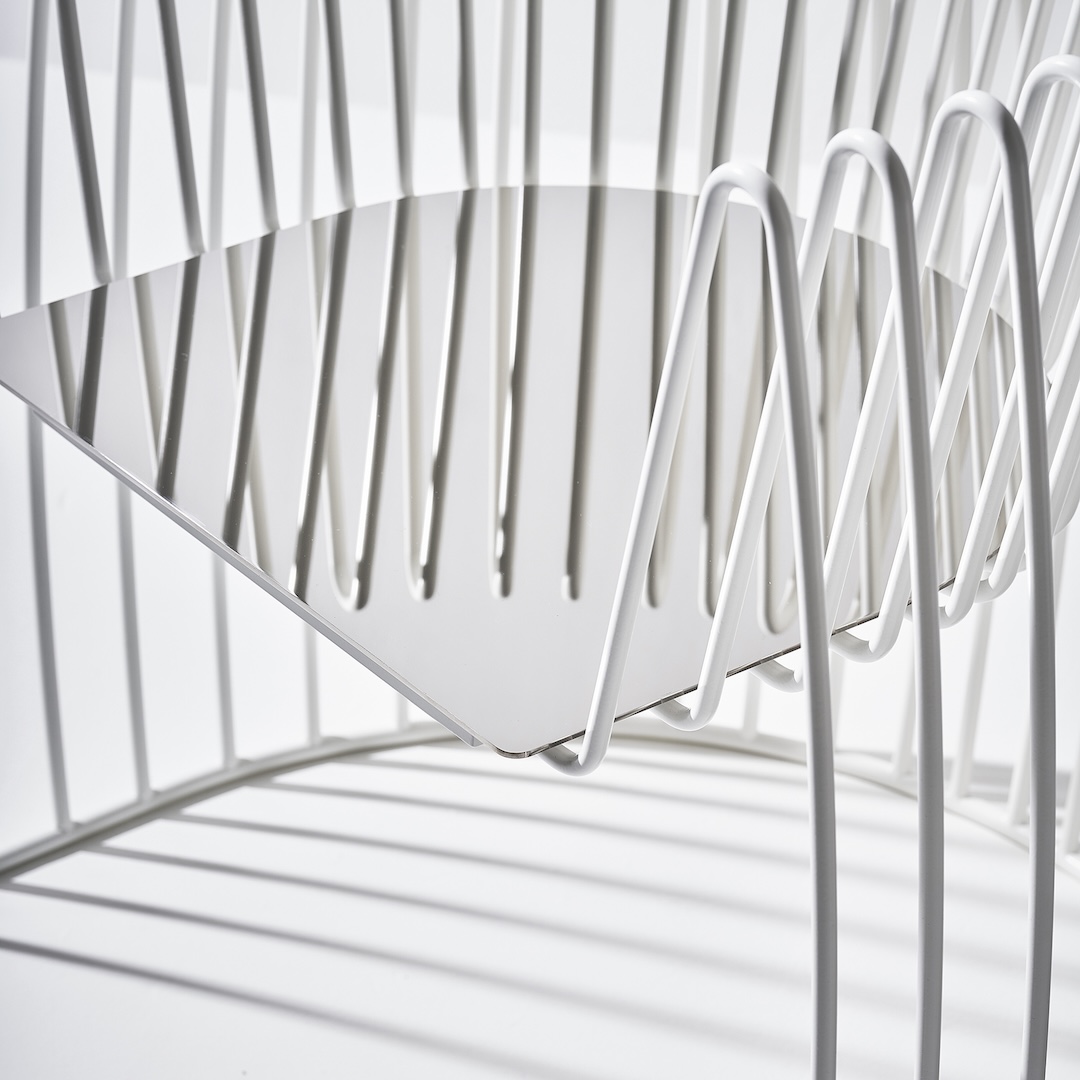
The Birdcage Chair translates the fine lines of Suruga bamboo filigree into steel. Designer Masuo Fujimura draws on the traditional craft of Japan’s Shizuoka Prefecture, using slender metal elements to create an open structure around the sitter. The design explores how steel’s strength and flexibility can produce a chair with a visually delicate frame.
Birdcage Chair by Masuo Fujimura
Developed with a local metal processing manufacturer, the project also aims to support Shizuoka’s manufacturing industry through collaboration. A mirror-finished seat adds an unexpected surface beneath the surrounding framework, reflecting its environment. The result connects a regional craft reference with the techniques of a different material.
Birdcage Chair by Masuo Fujimura
Birdcage Chair by Masuo Fujimura
Birdcage Chair by Masuo Fujimura
Birdcage Chair by Masuo Fujimura
Stoa Chess Set
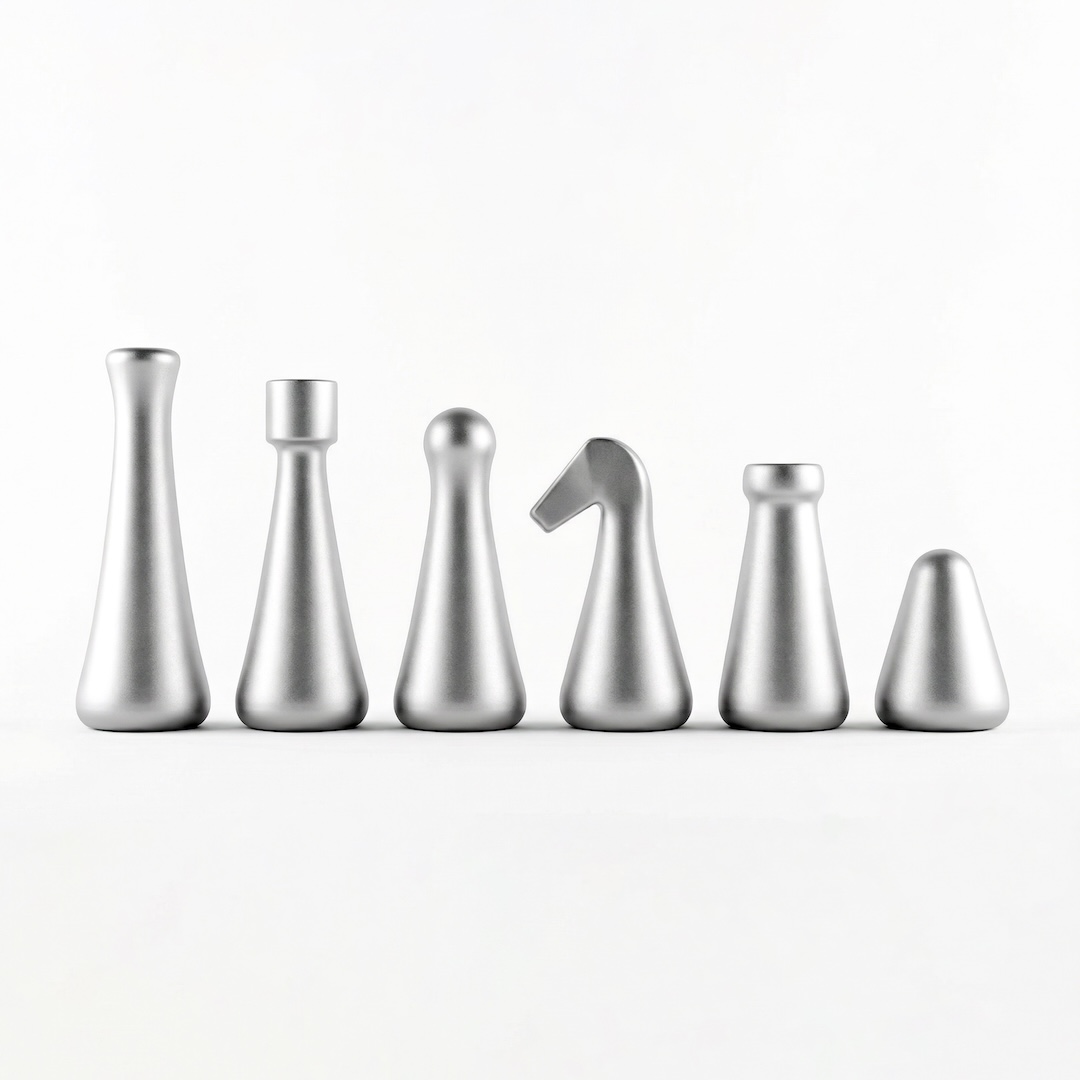
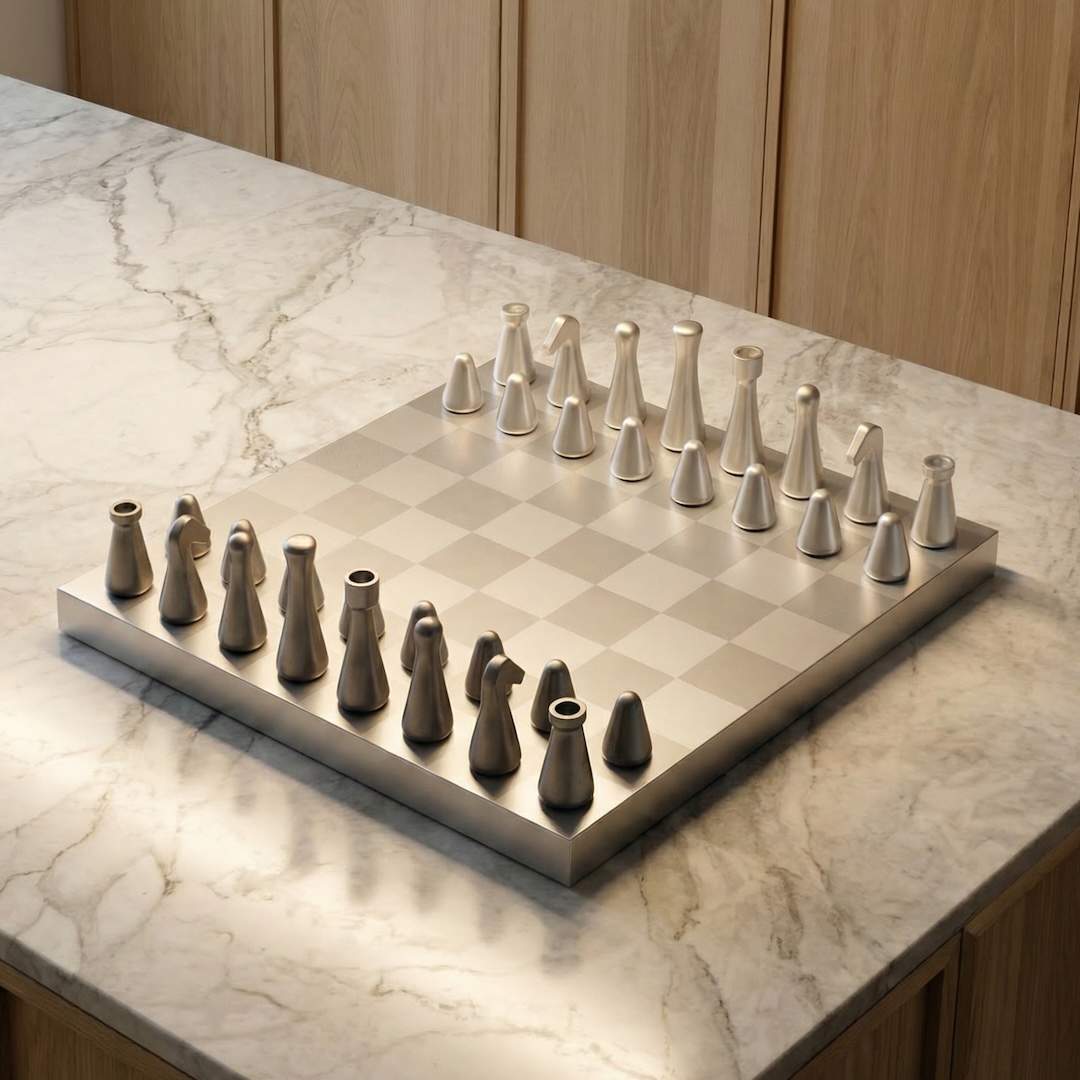
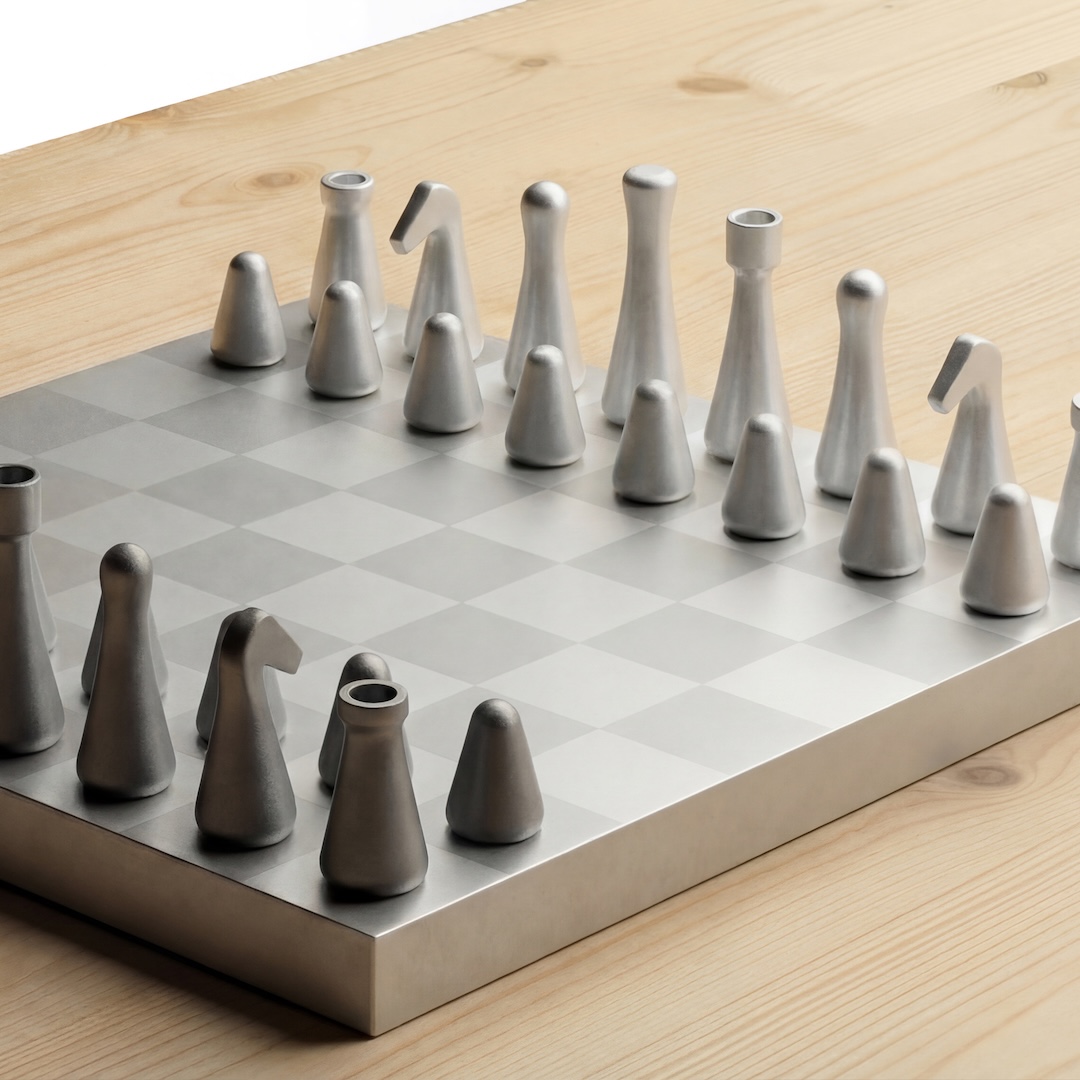
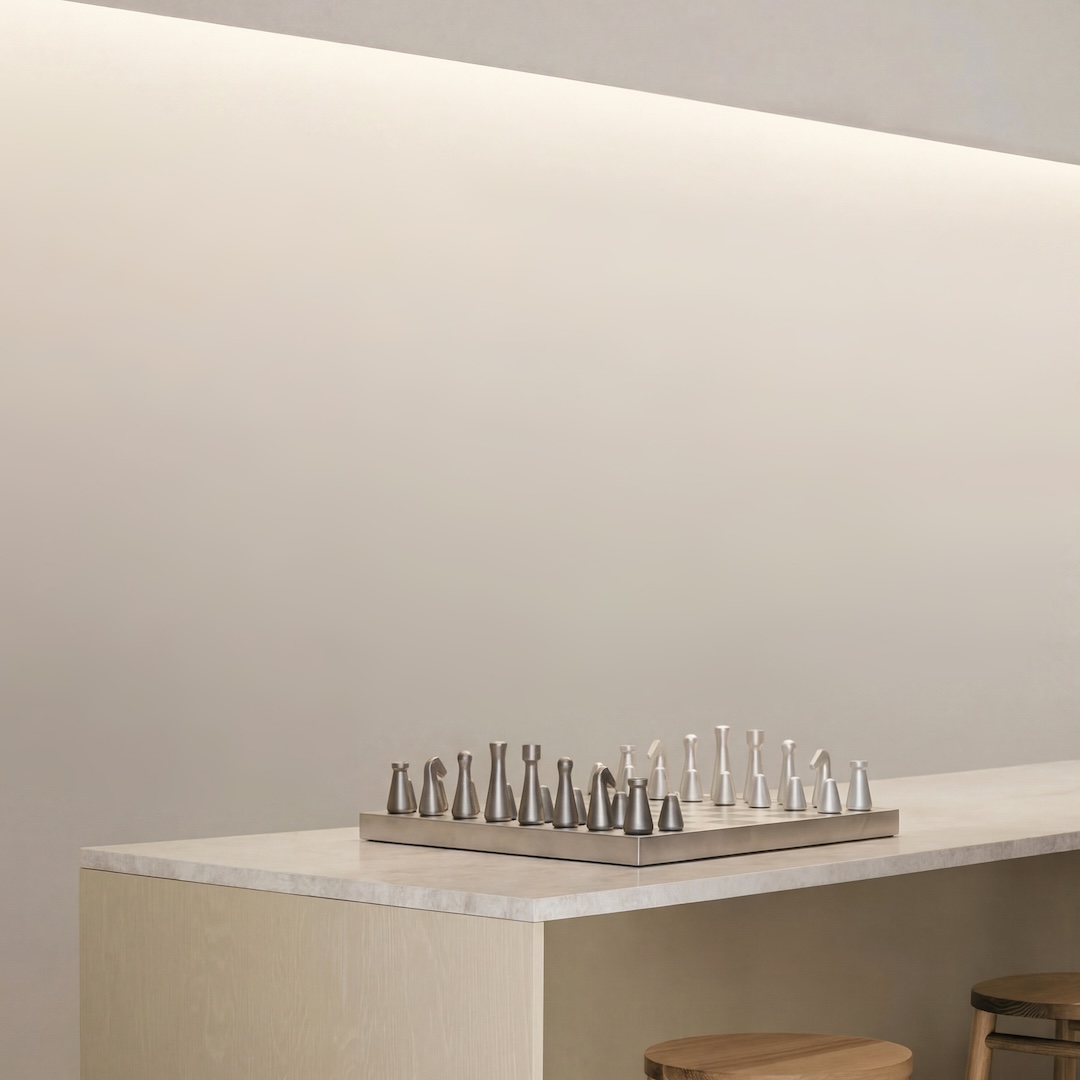
Stoa gives chess a quieter visual language while keeping each piece’s identity in play. Fabian Haydt draws on Scandinavian design and architectural geometry, simplifying familiar forms into restrained shapes and proportions. The challenge is a practical one as much as an aesthetic one. Players still need to distinguish their pieces at a glance.
Stoa Chess Set by Fabian Haydt
Weighted bases and leather pads support stability, while the pieces are shaped for handling throughout a game. Stoa also considers how a chess set occupies a room between matches, with forms intended to sit comfortably within contemporary interiors. Its pared-back appearance carries through from the first move to the final position.
Stoa Chess Set by Fabian Haydt
Stoa Chess Set by Fabian Haydt
Stoa Chess Set by Fabian Haydt

Stoa Chess Set by Fabian Haydt
Hoverpen Interstellar Ballpoint Pen
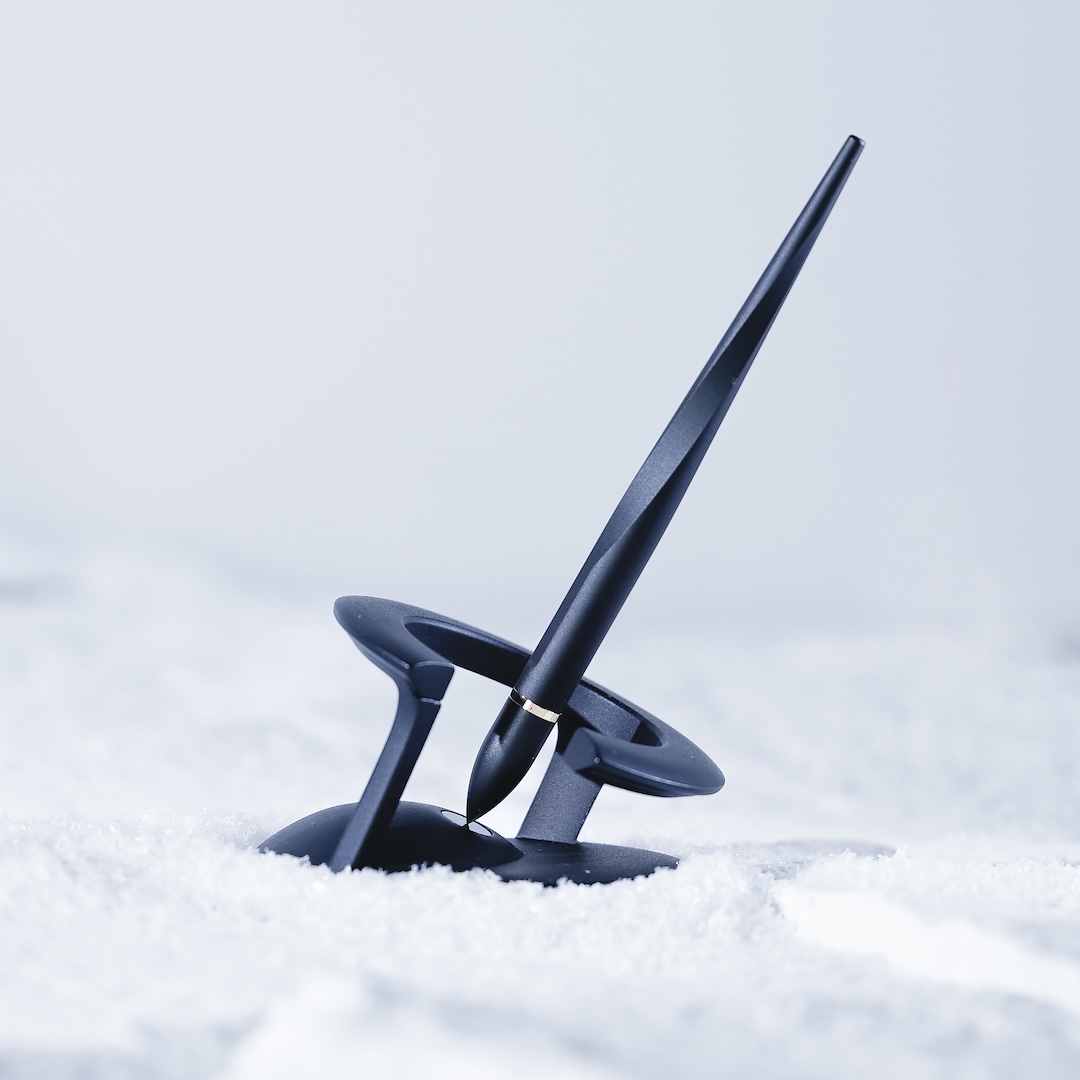
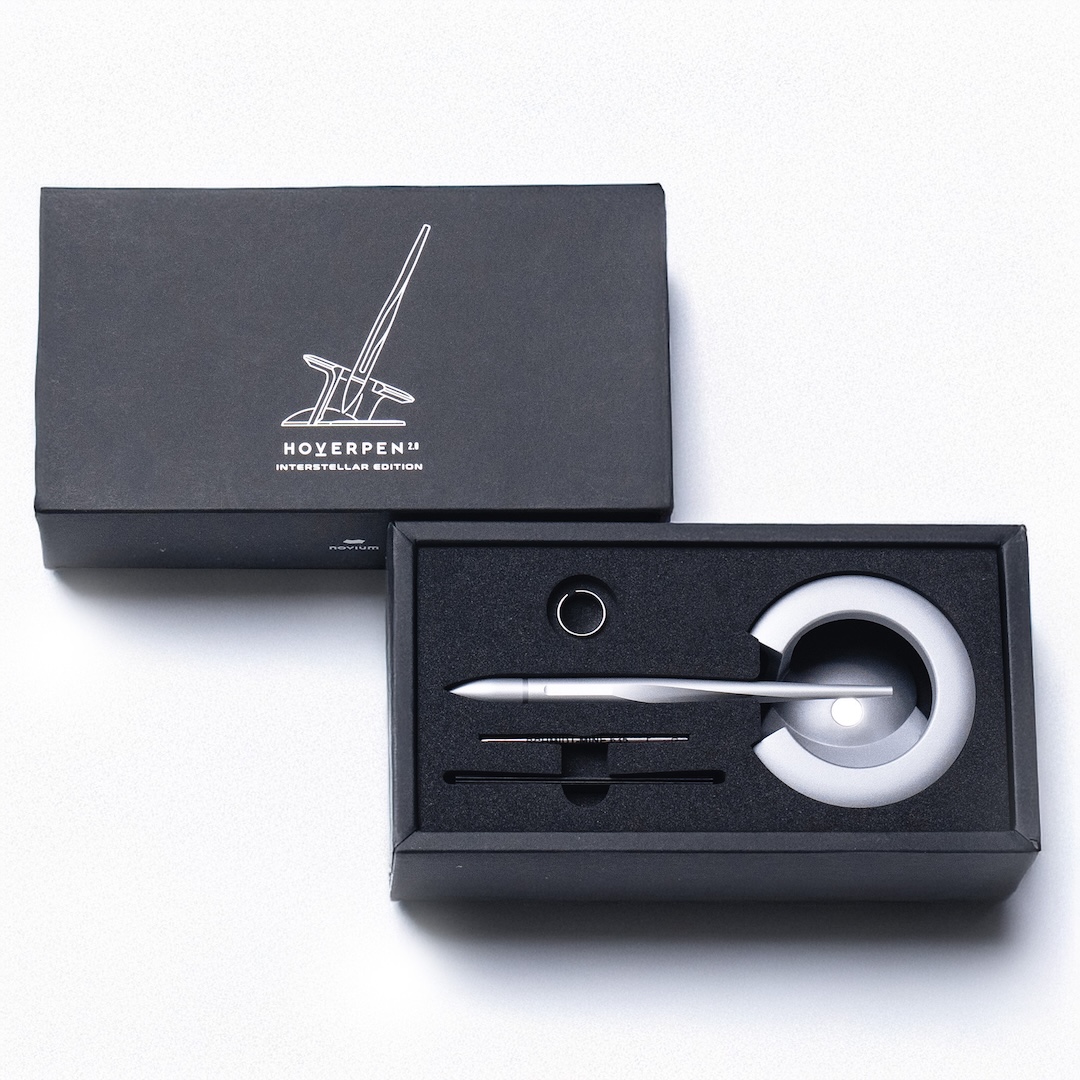
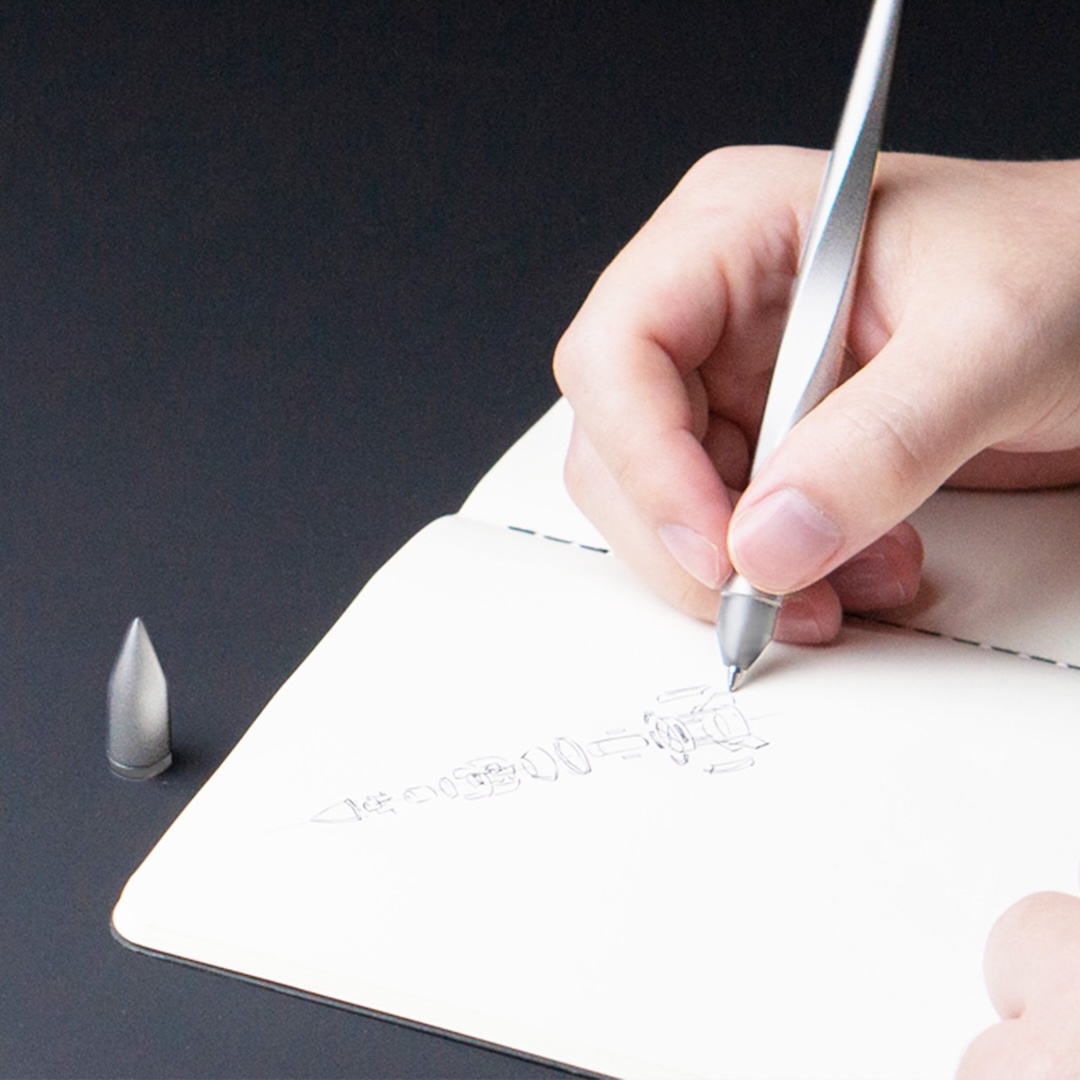
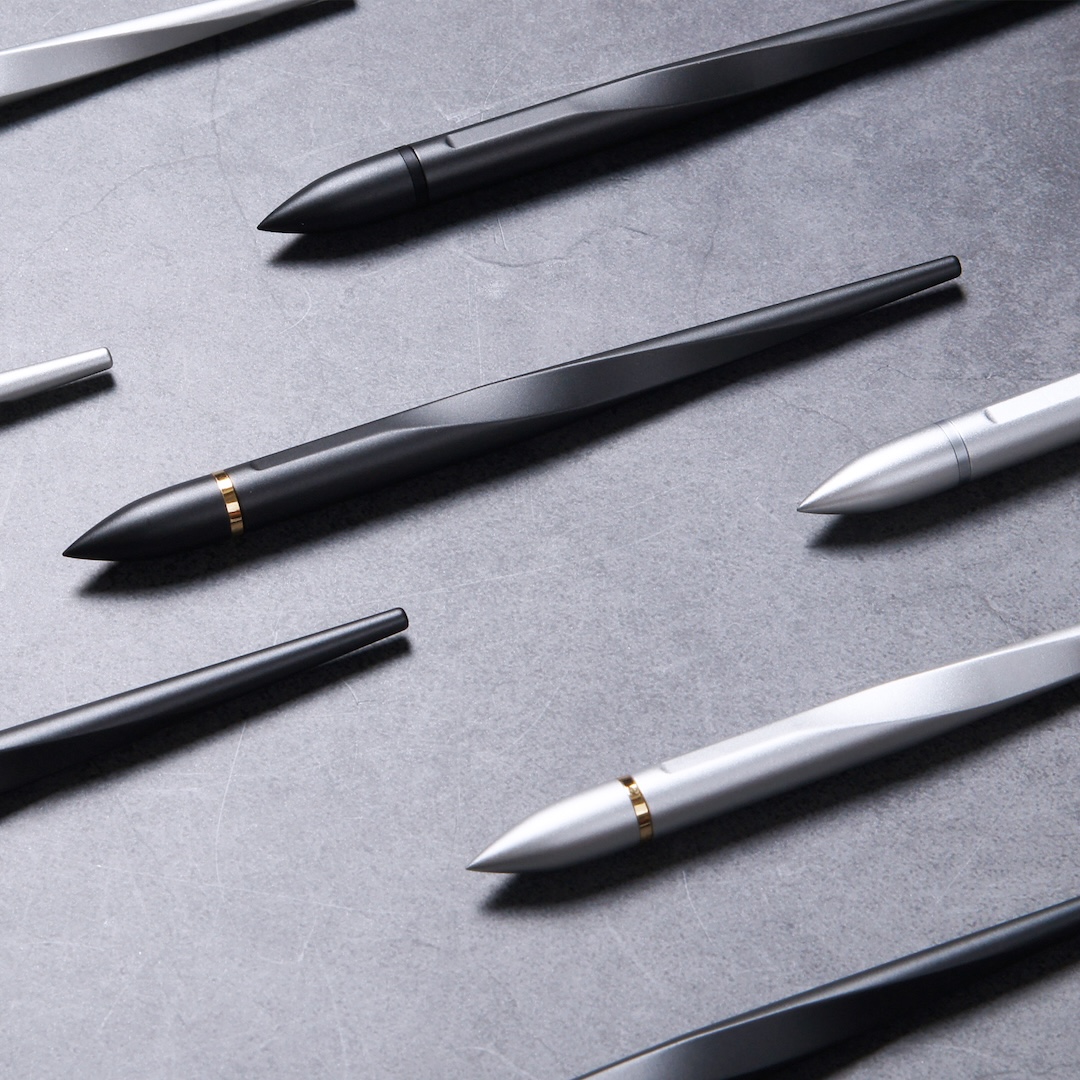
Hoverpen Interstellar puts a little orbital motion on the desk. Novium’s spacecraft-inspired ballpoint doubles as a levitating display object that users can set spinning with a twist. According to the project description, it can rotate for up to 20 seconds, with ridges along the pen making changes in speed visible as it turns.
Hoverpen Interstellar Ballpoint Pen by Novium
When it is time to write, the pen returns to a familiar task. It uses replaceable Schmidt ballpoint refills, with access designed to make cartridge changes straightforward. That combination gives the object two distinct modes of use, shifting between a writing instrument and something to fidget with during a pause.

Hoverpen Interstellar Ballpoint Pen by Novium
Hoverpen Interstellar Ballpoint Pen by Novium
Hoverpen Interstellar Ballpoint Pen by Novium
Hoverpen Interstellar Ballpoint Pen by Novium
Silhouette Convertible Chair
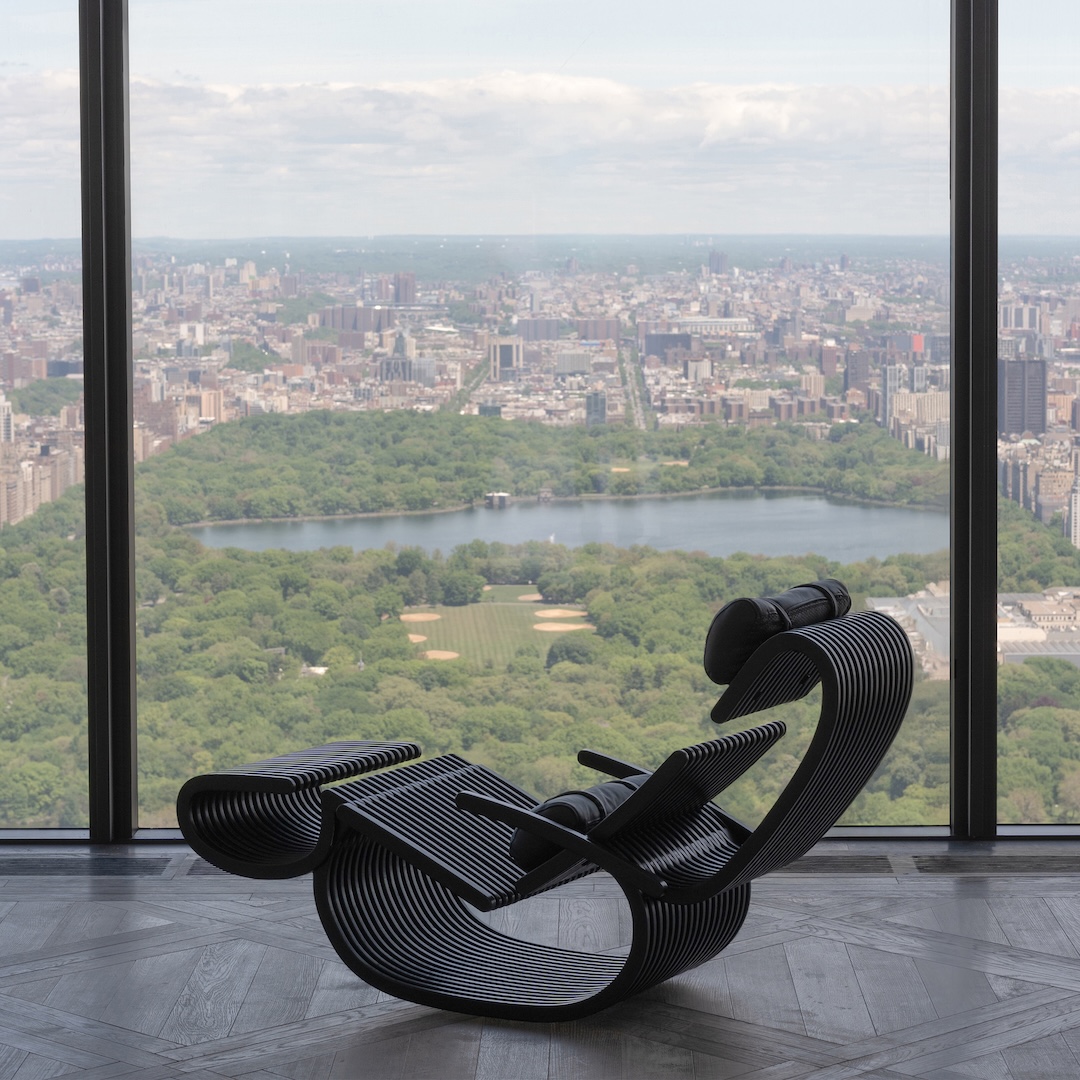
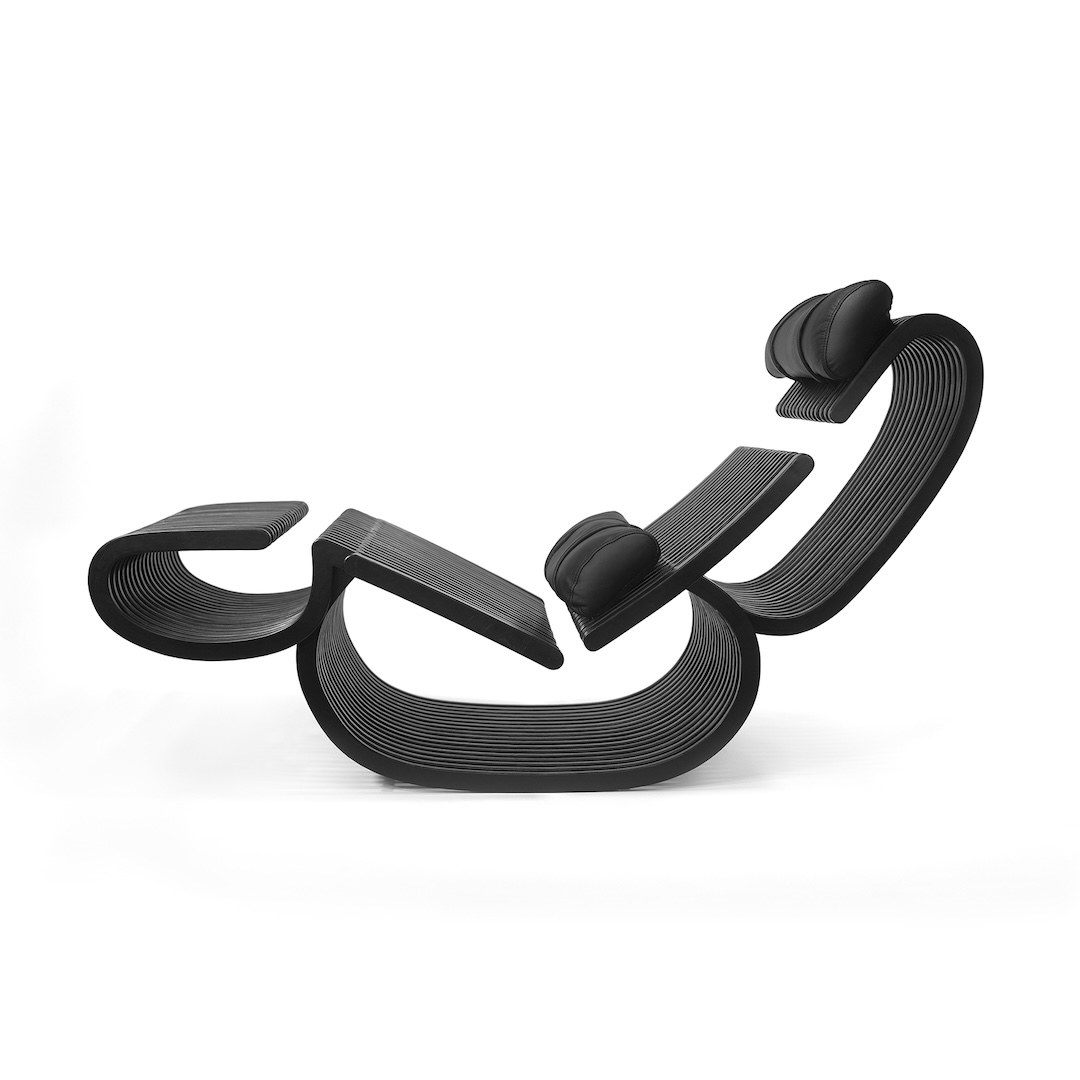
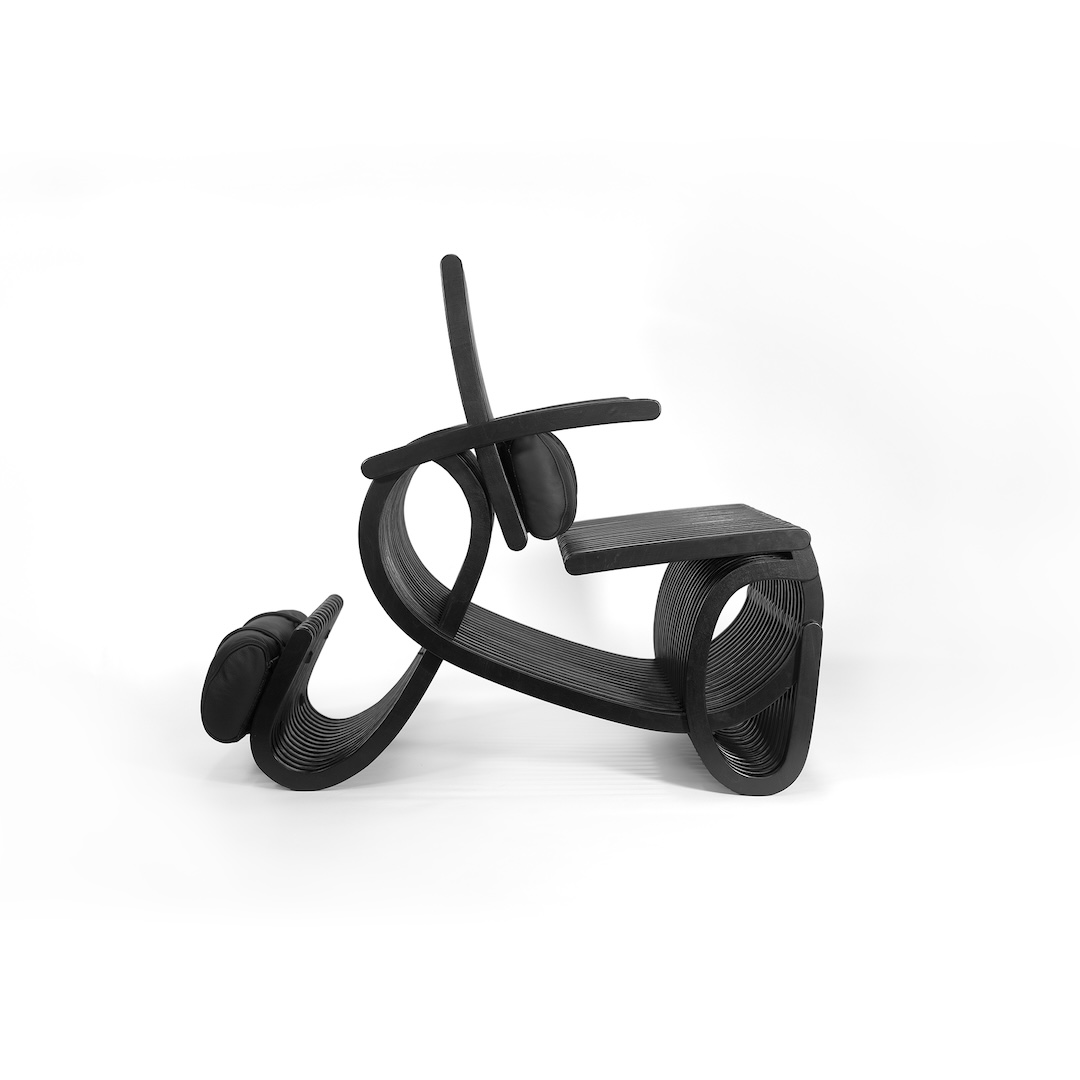
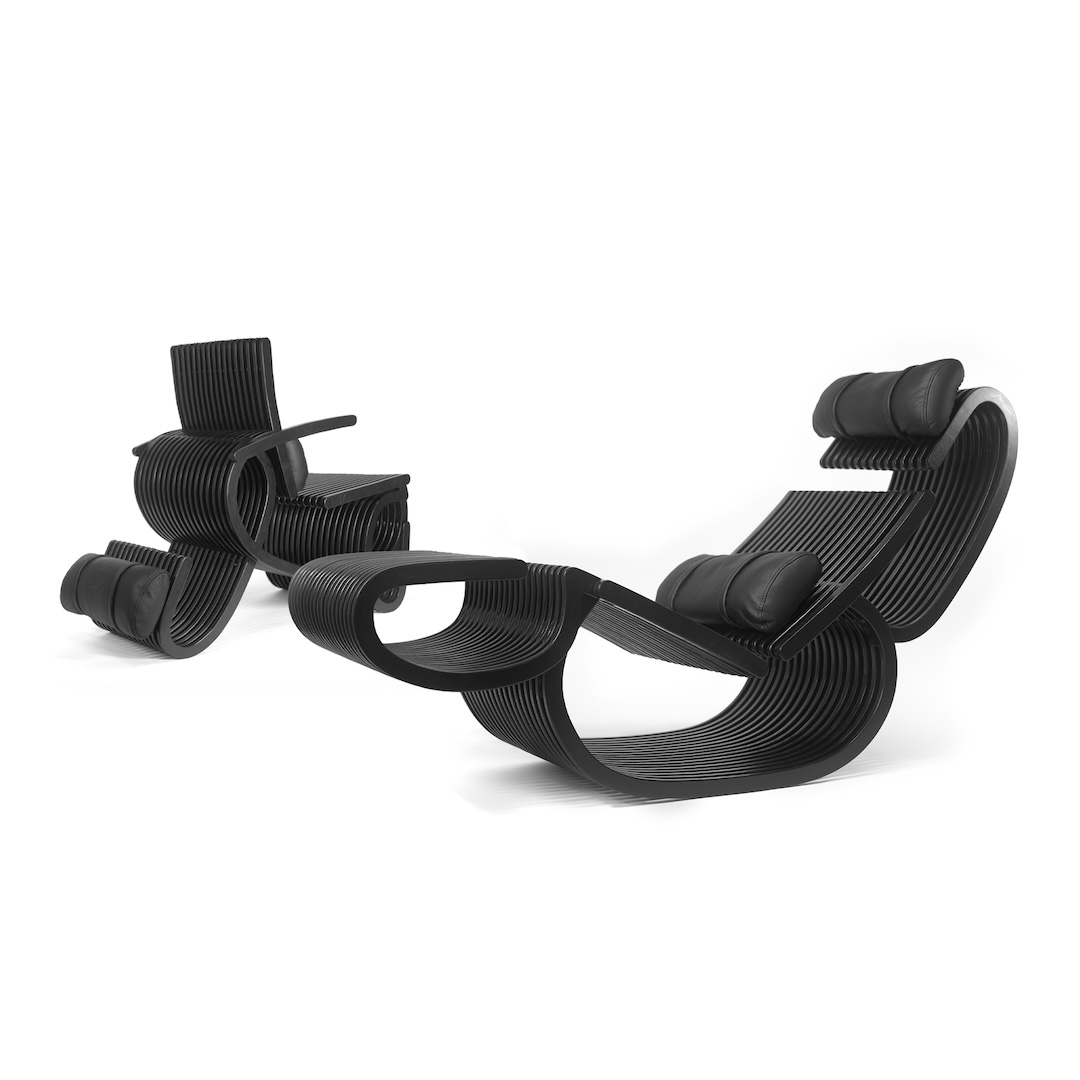
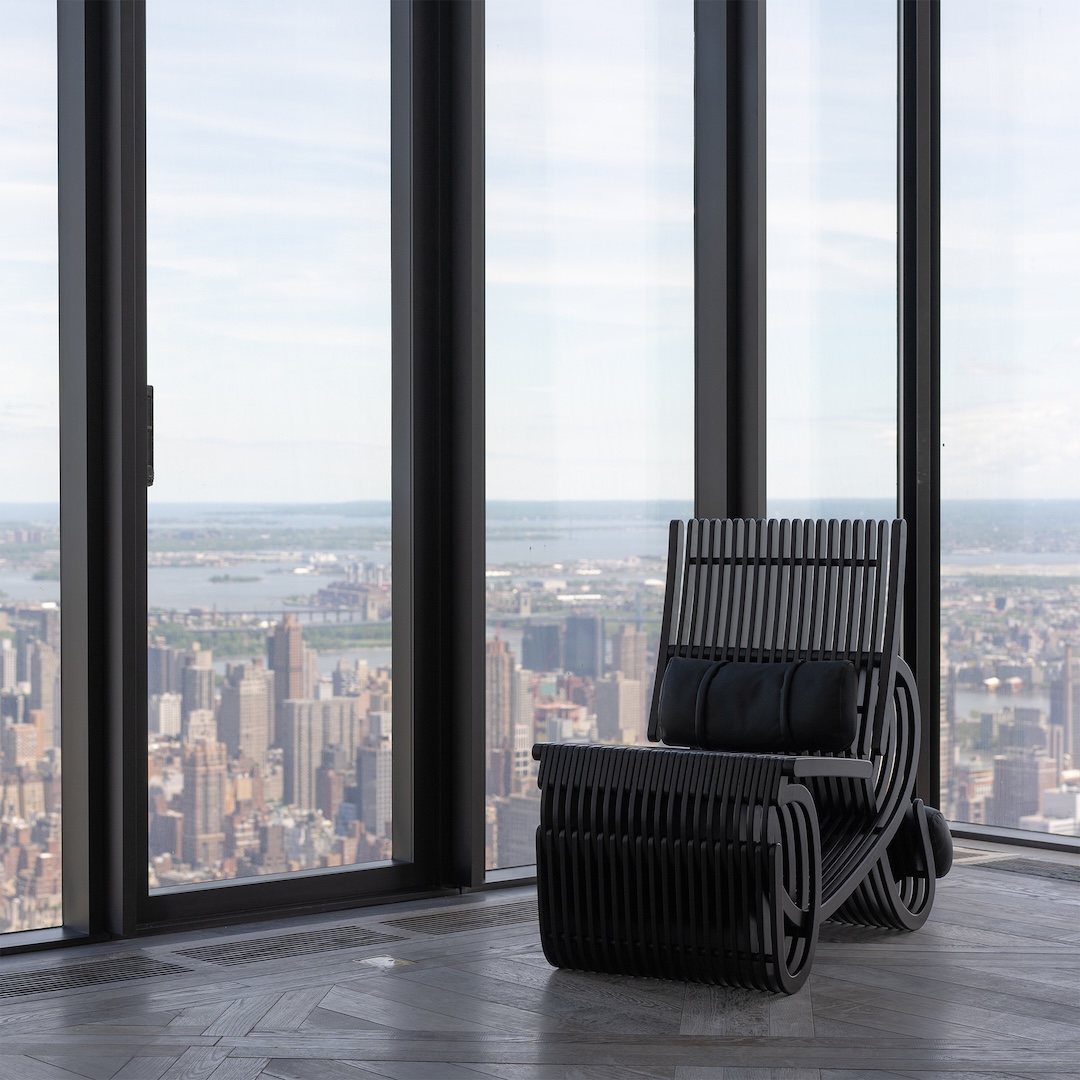
Silhouette changes its posture along with its user. Jonah Rappaport’s chair converts between armchair, lounge chair, and chaise lounge configurations by rearranging parts of its structure. During the shift from chaise to armchair, the headrest rotates into the rear supports, while the legrest becomes the front legs. Components that support the body in one position support the chair in another.
Silhouette Convertible Chair by Jonah Rappaport
Concealed locks guide and secure those changes, allowing users to release or fix each position without external tools. Adjustable armrests and a continuously adjustable backrest provide further control over sitting posture. The design centers on making each configuration look complete, with the transformation built into the furniture’s form.
Silhouette Convertible Chair by Jonah Rappaport
Silhouette Convertible Chair by Jonah Rappaport
Silhouette Convertible Chair by Jonah Rappaport
Silhouette Convertible Chair by Jonah Rappaport
Dirty Dog Toy
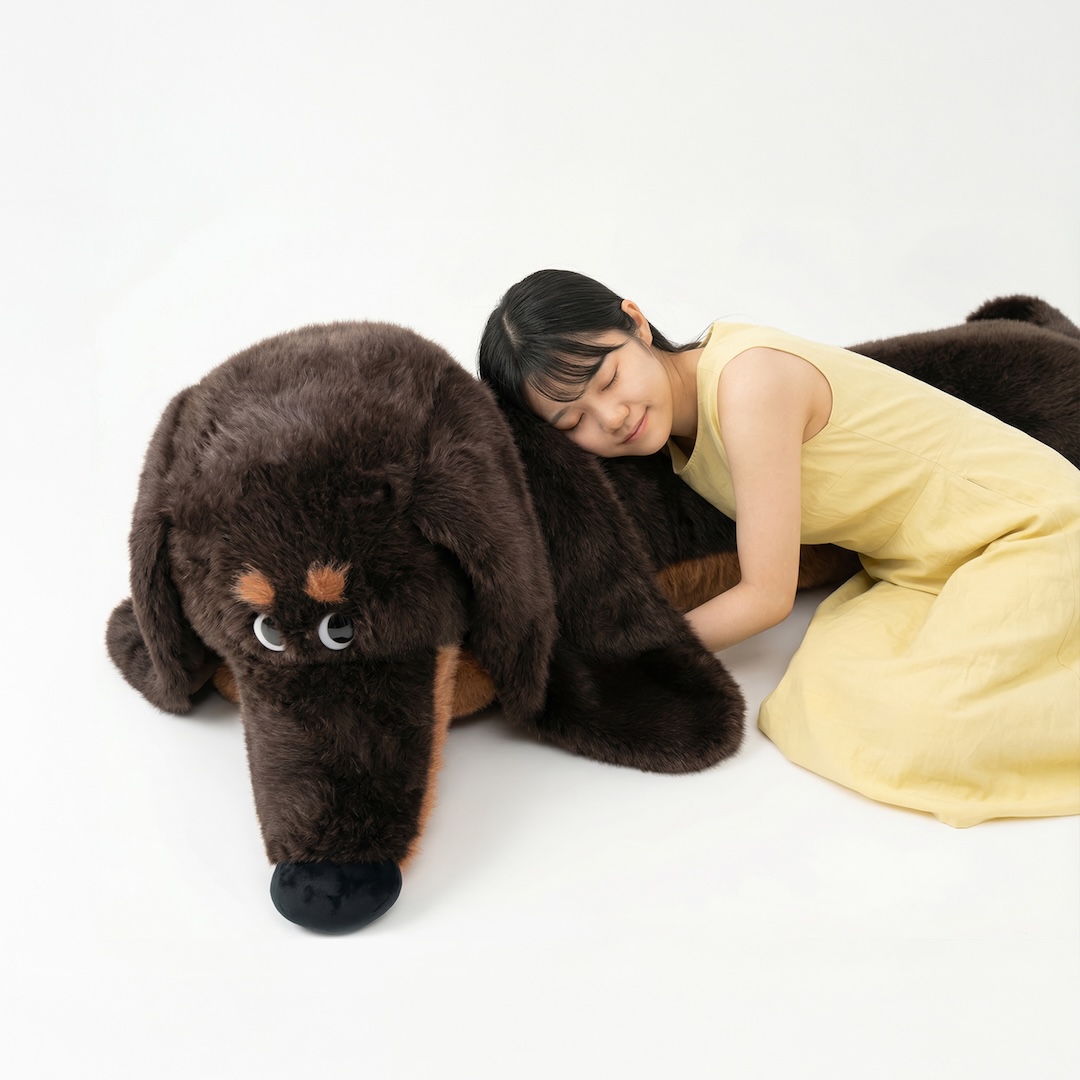
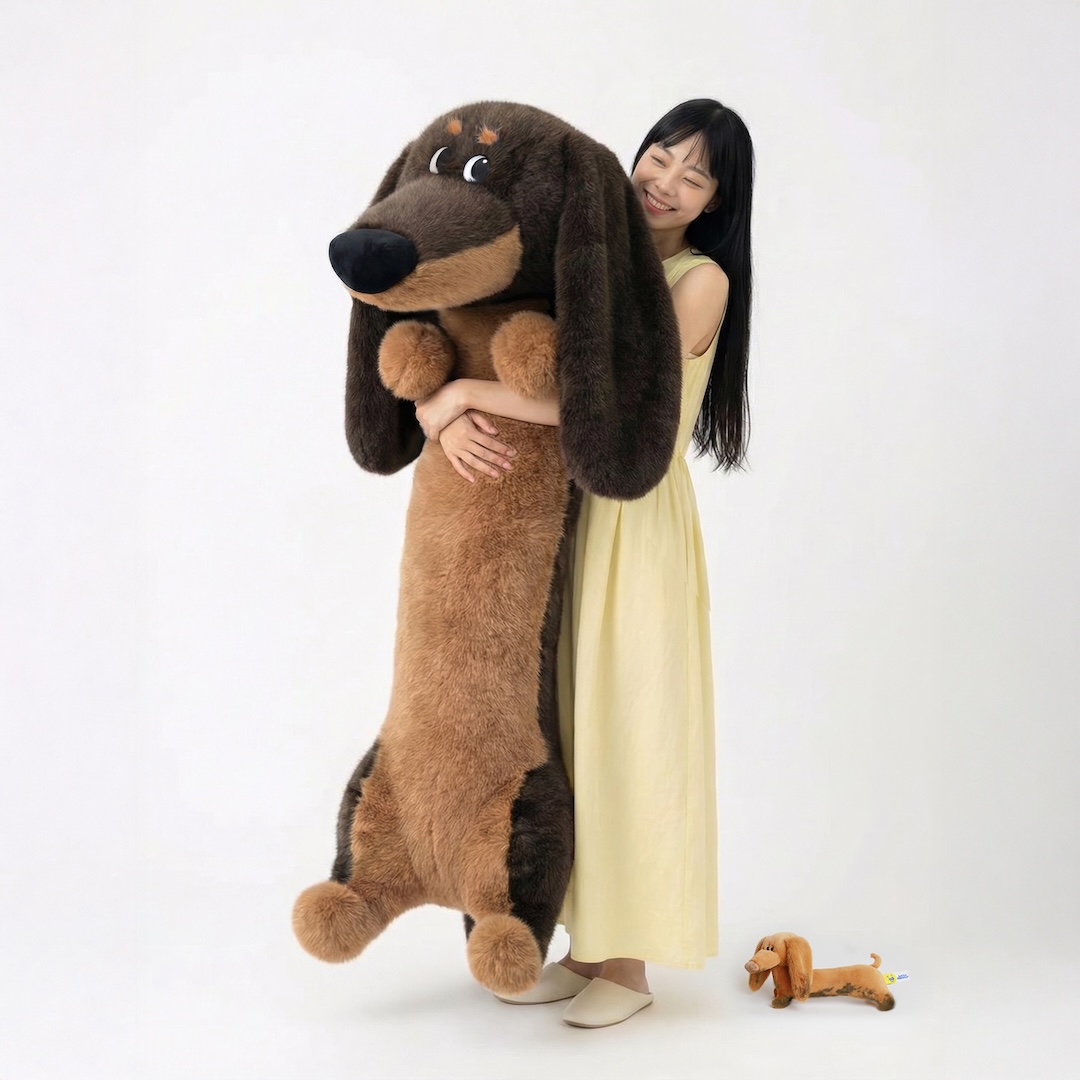
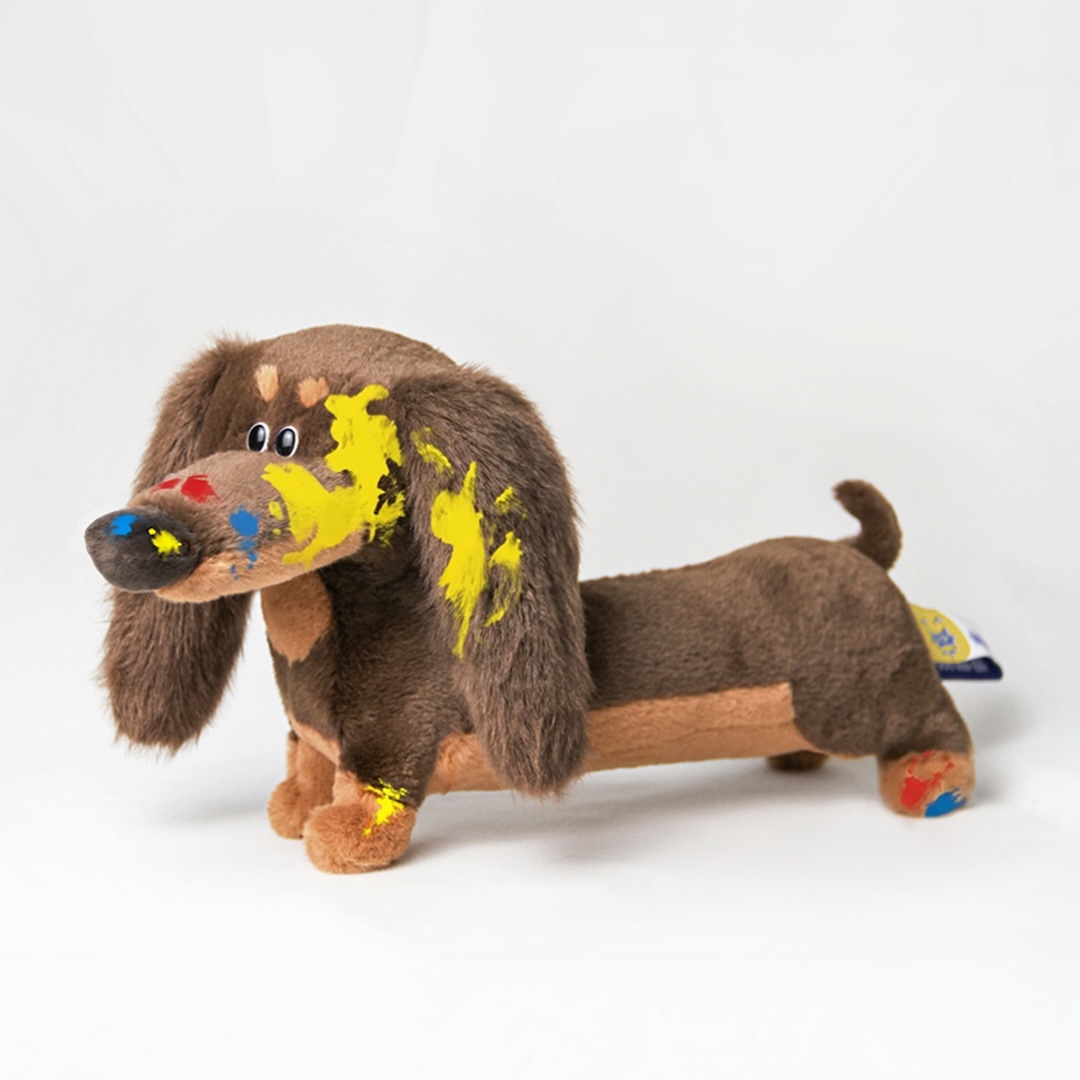
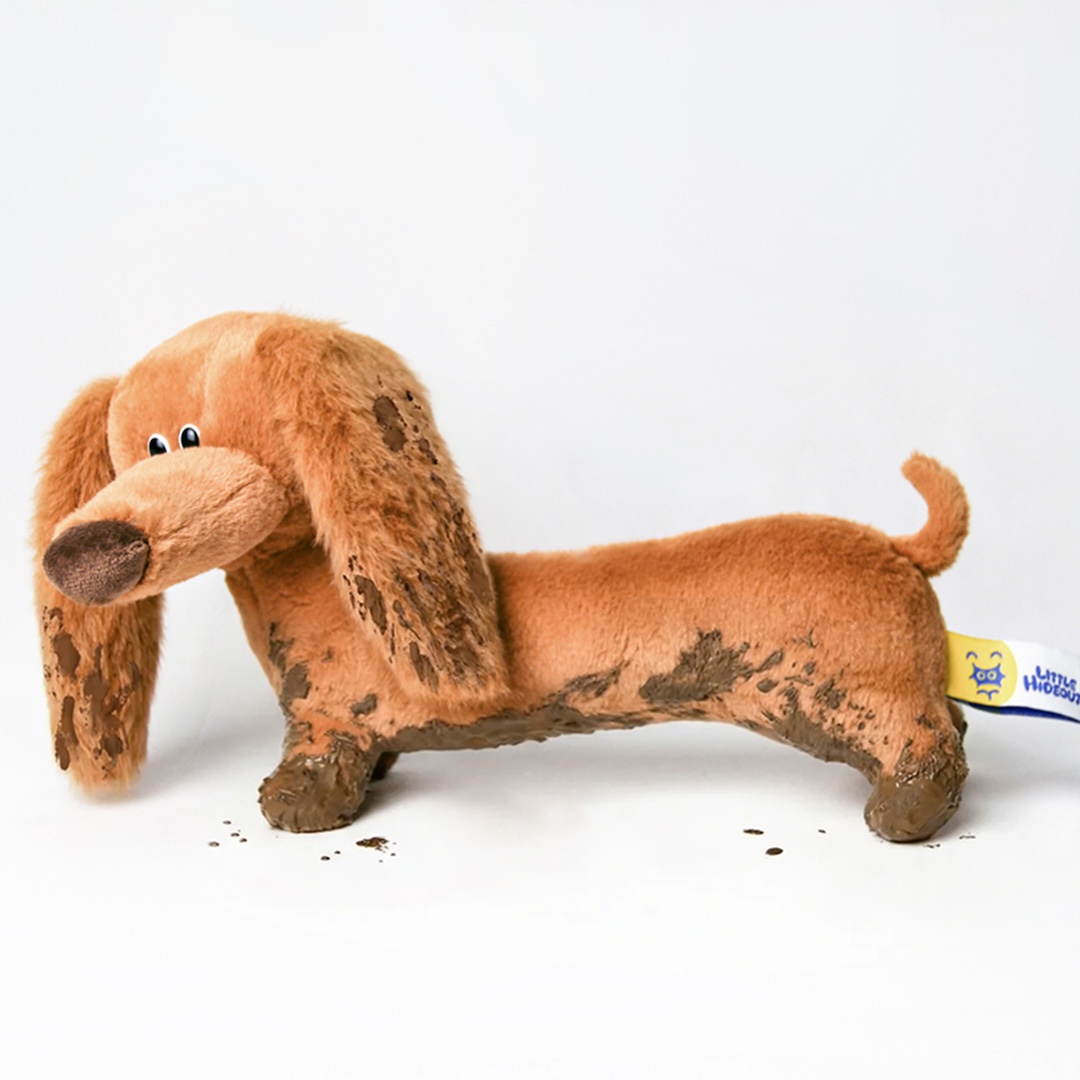
Dirty Dog gives muddy paws a soft landing. Hangzhou Yangyang Lejia’s plush collection takes inspiration from dogs charging through grass and rolling in puddles, treating their resulting smudges as signs of exploration. Colors drawn from soil, flowers, and greenery connect the four characters, each of which has its own personality within the group.
Dirty Dog Toy by Hangzhou Yangyang Lejia
The collection scales from small portable companions to larger hugging toys and jumbo body pillows. Those changes in size also change how the dogs can be used, whether carried around, leaned against, or held while resting. The jumbo versions accommodate different embraces, including side hugs and fuller wraps, extending the idea of companionship into their physical form.

Dirty Dog Toy by Hangzhou Yangyang Lejia
Dirty Dog Toy by Hangzhou Yangyang Lejia
Dirty Dog Toy by Hangzhou Yangyang Lejia
Dirty Dog Toy by Hangzhou Yangyang Lejia
Orpheus Exoskeletal Exercise Device
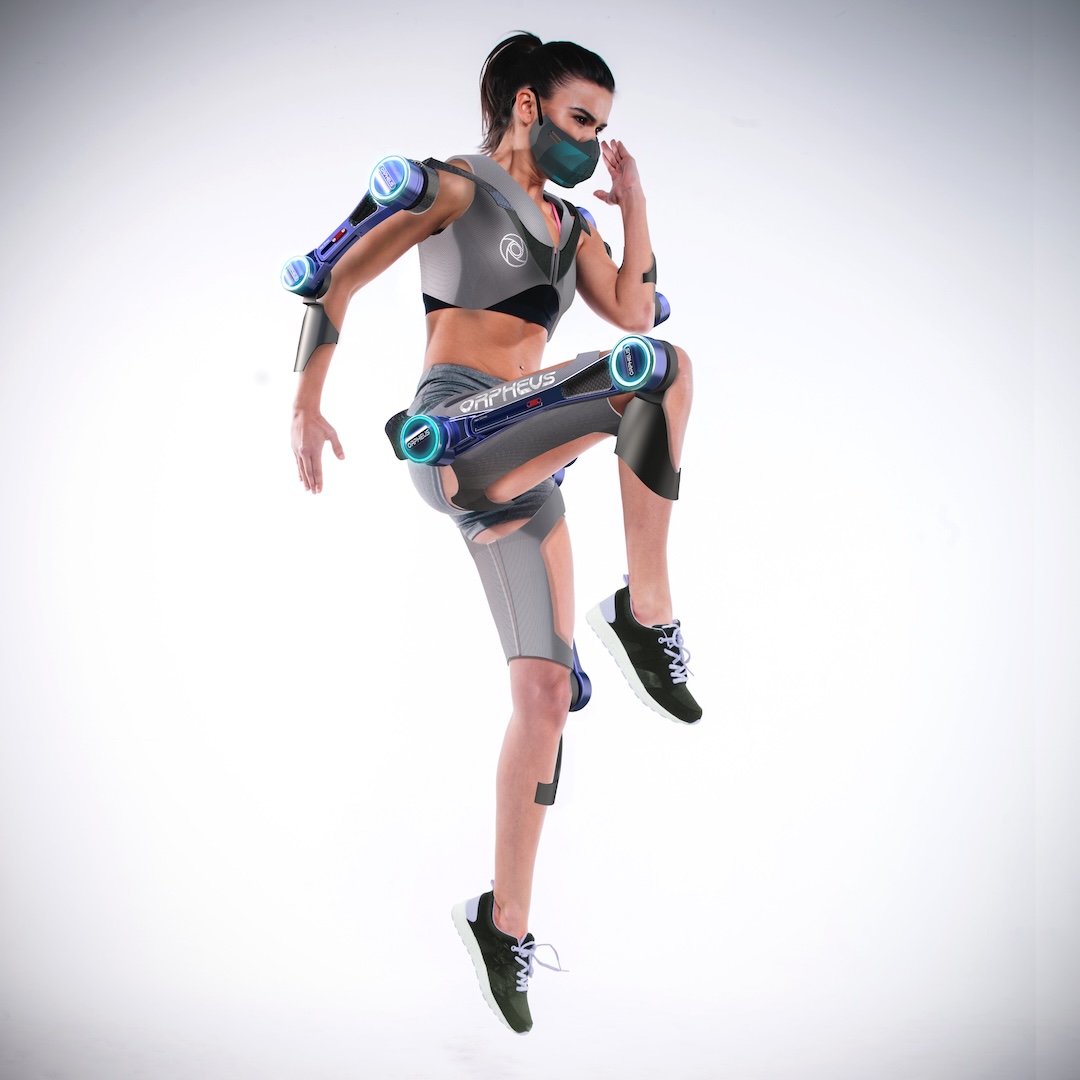
Orpheus approaches exercise in space by bringing the equipment closer to the astronaut’s body. Mehmet E. Ergül’s concept draws from exoskeletons, aerial dance, and ballet, taking an interest in how bodies move when ordinary points of support are absent. Intended for the International Space Station and future spacecraft, it explores a more compact arrangement for resistance training.
Orpheus Exoskeletal Exercise Device by Mehmet E. Ergül
The proposed system uses software to record exercise results and adjust resistance, height, and body fit to the astronaut and their program. As the user moves, the device supplies resistance to work the muscles. Reducing equipment mass and volume is a central design goal, addressing the limited room available inside a spacecraft.
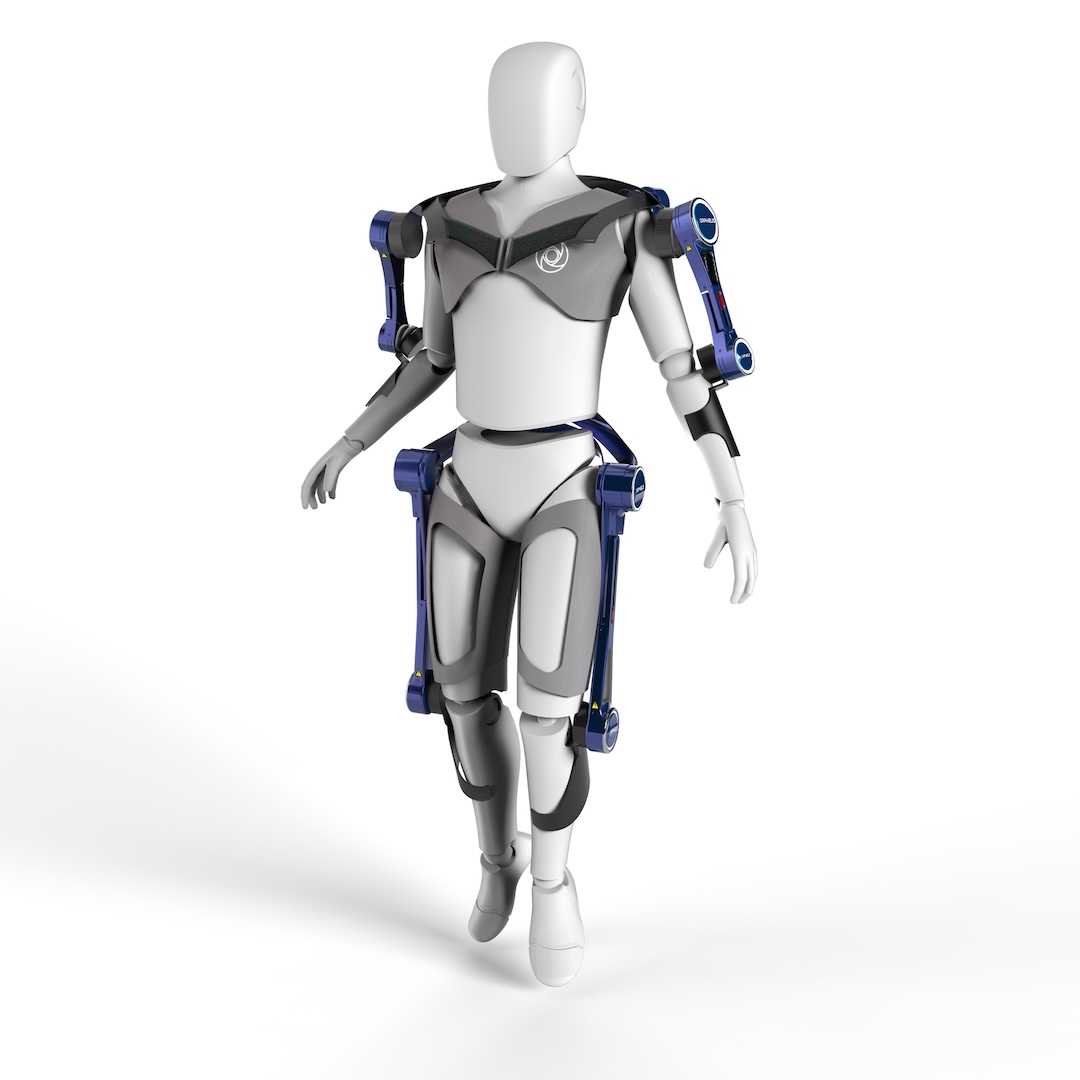
Orpheus Exoskeletal Exercise Device by Mehmet E. Ergül
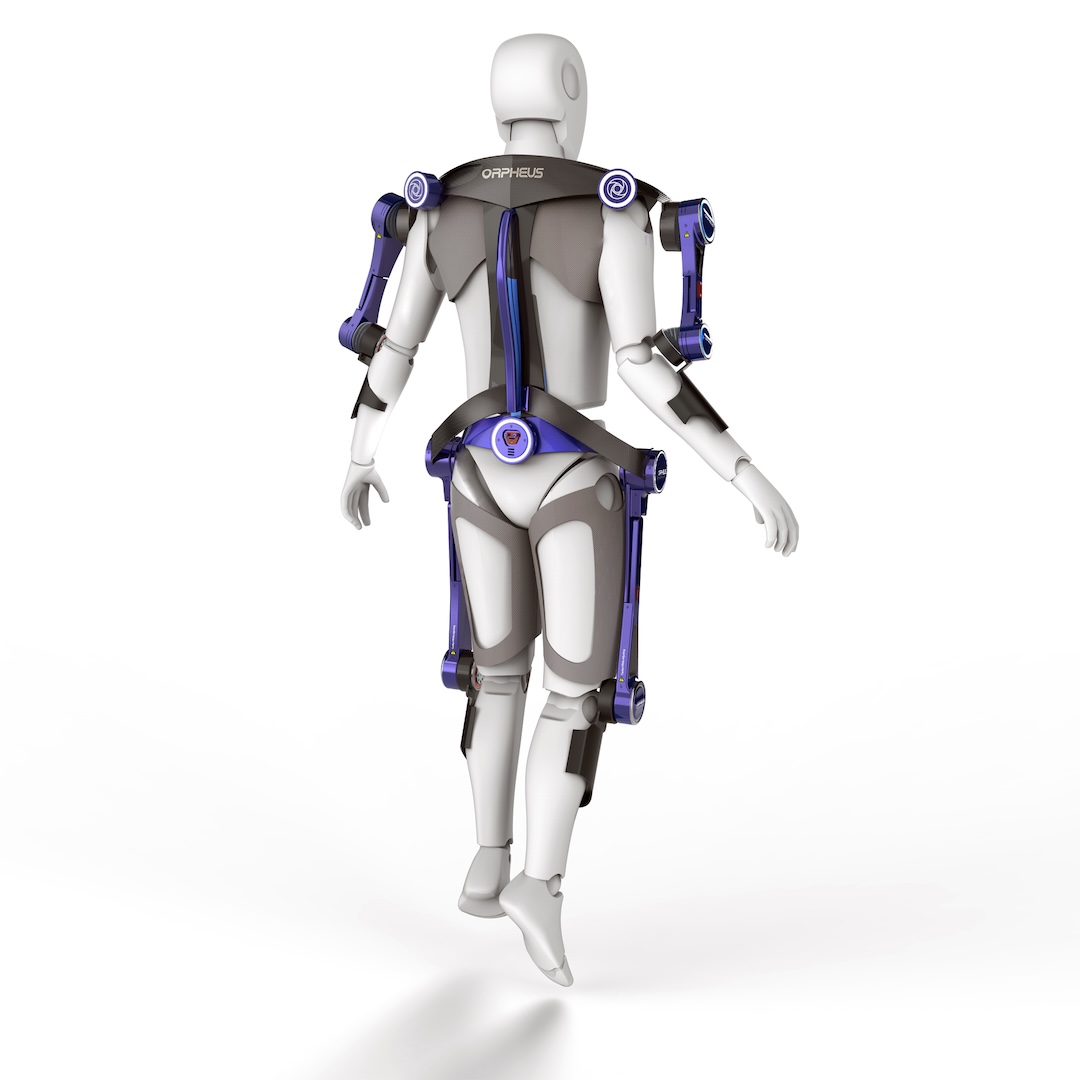
Orpheus Exoskeletal Exercise Device by Mehmet E. Ergül
Alan Children’s Furniture Set
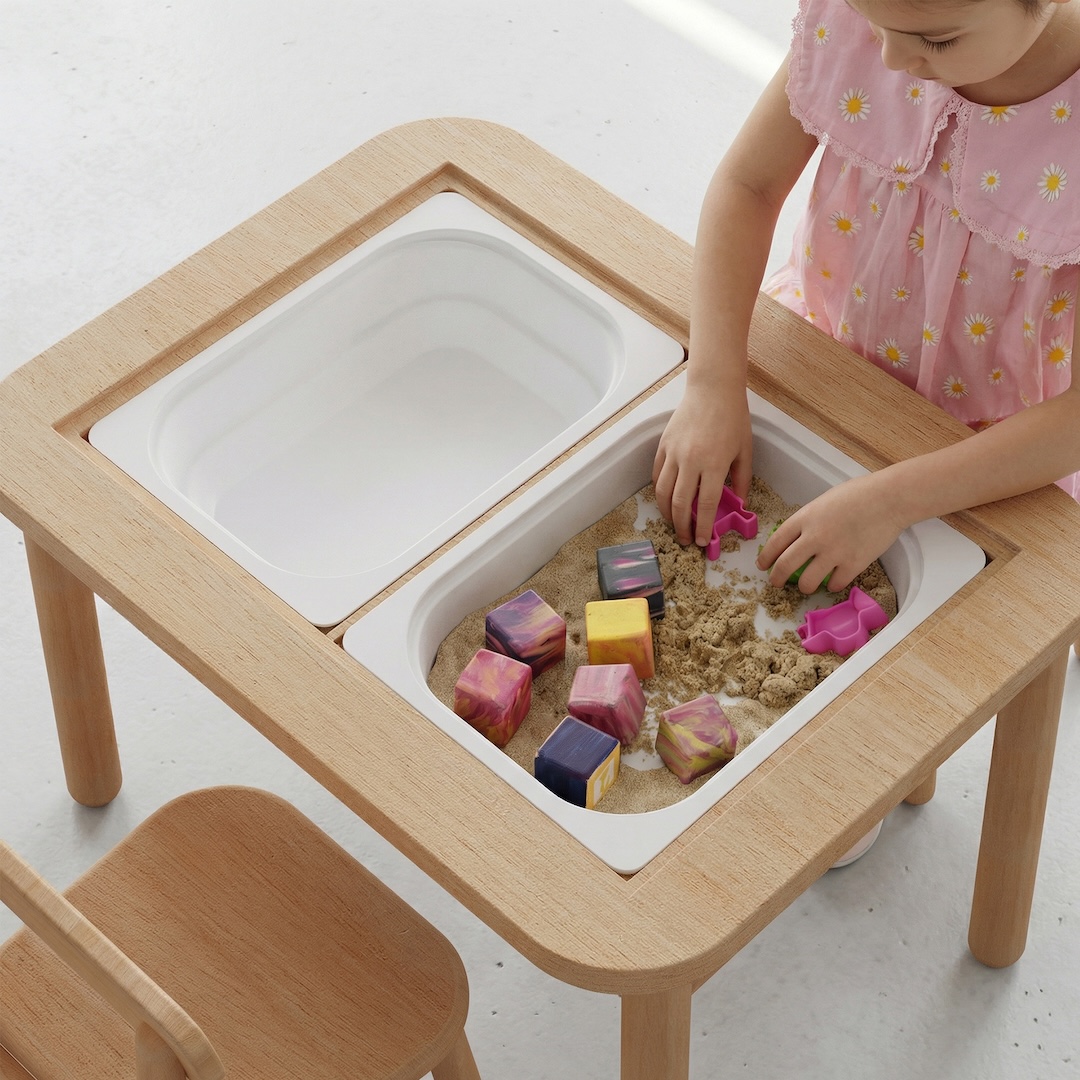
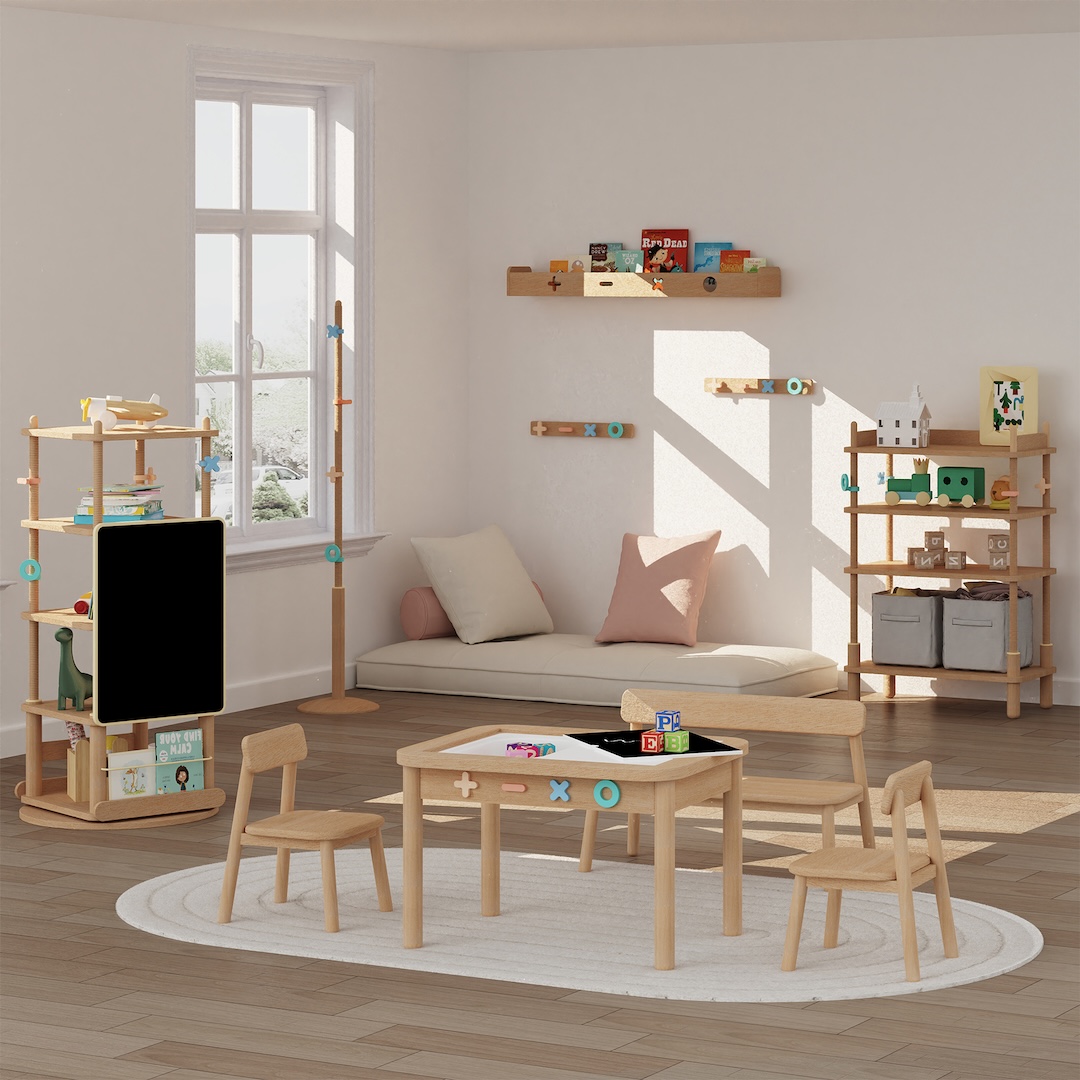
Alan brings furniture down to a child’s level, with a collection intended for three- to seven-year-olds to use more independently. The Songmics Home Design Team combines tables, chairs, bookshelves, wall shelves, and adjustable coat racks to support play, learning, and everyday routines. Adjustable shelving and hanging heights help keep belongings within reach as children grow.
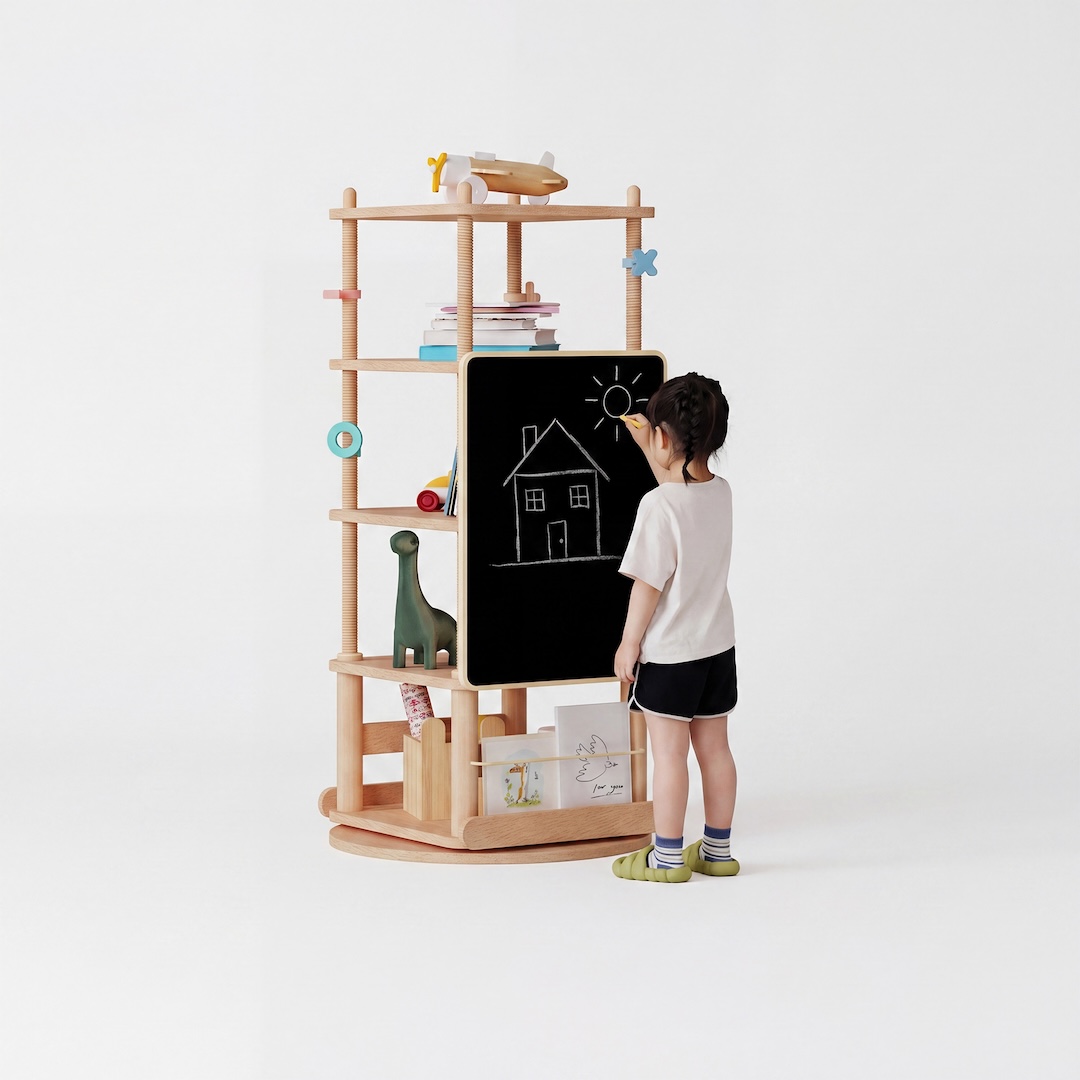
Alan Children’s Furniture Set by Songmics Home Design Team
The table introduces several ways to switch activities, including double-sided surfaces, magnetic side panels, and concealed storage. Solid wood provides natural texture for children to encounter through touch. Designed with smaller homes and kindergartens in mind, the collection gives the same pieces several roles as activities change throughout the day.
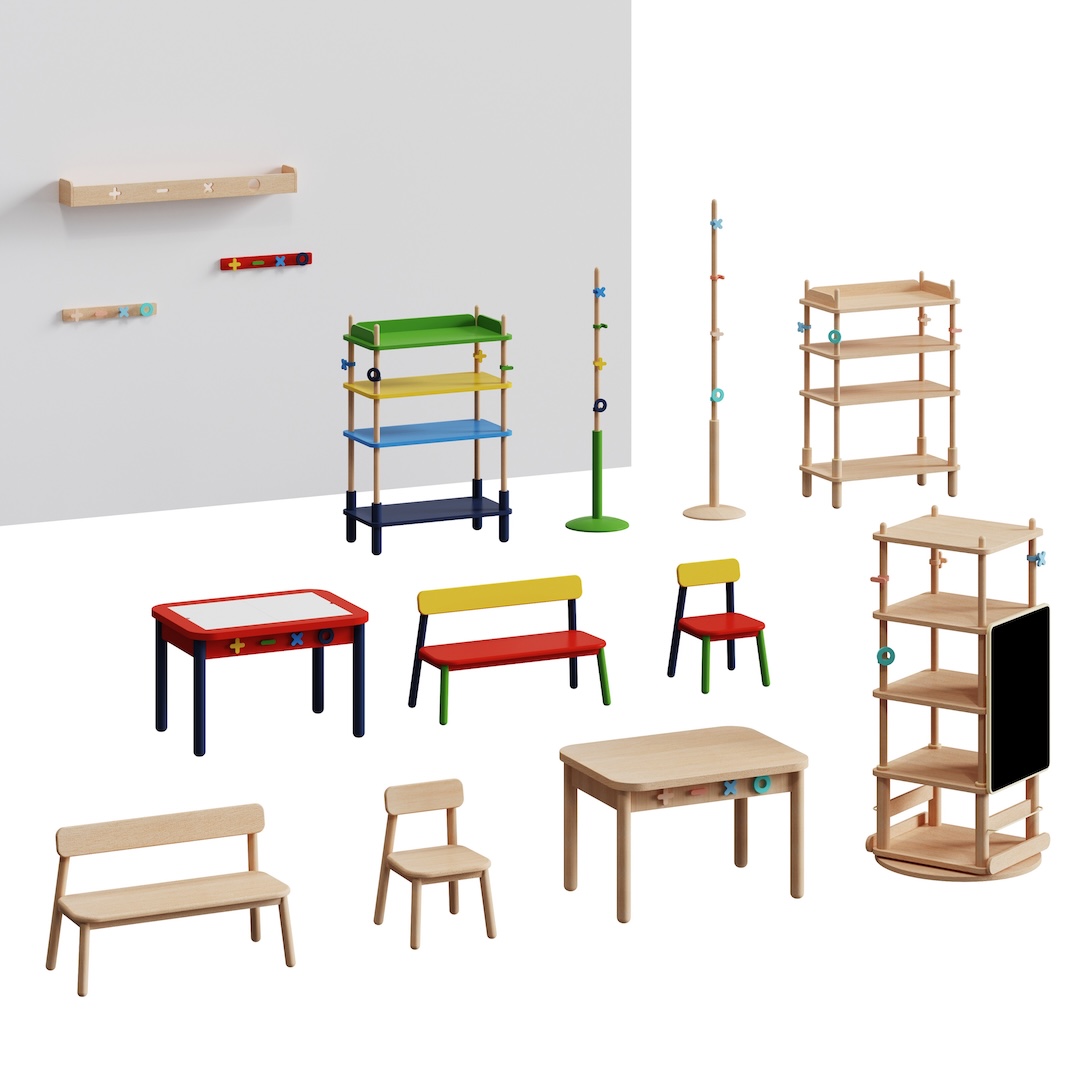
Alan Children’s Furniture Set by Songmics Home Design Team
Alan Children’s Furniture Set by Songmics Home Design Team
Alan Children’s Furniture Set by Songmics Home Design Team
Cuboro Wave Marble Run
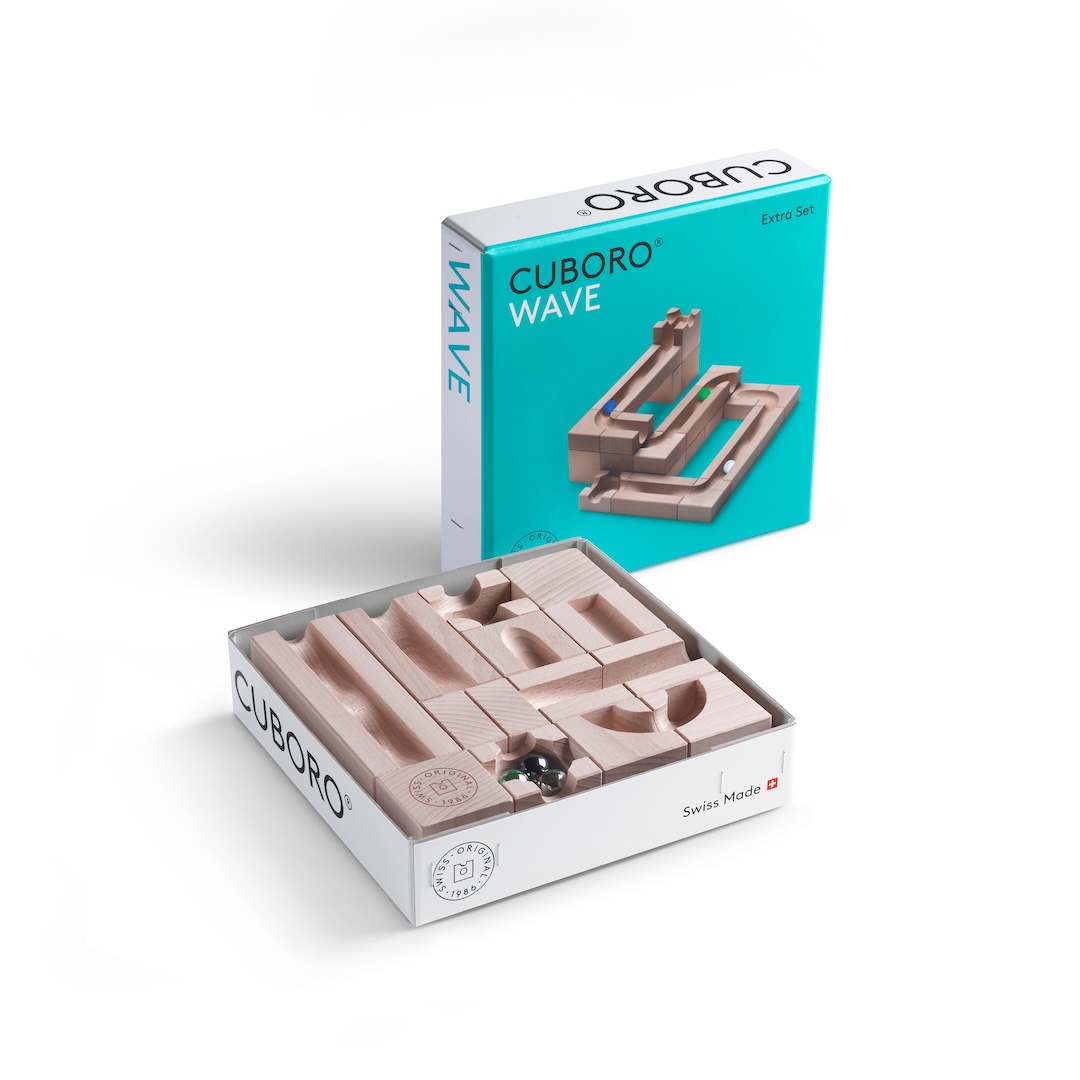
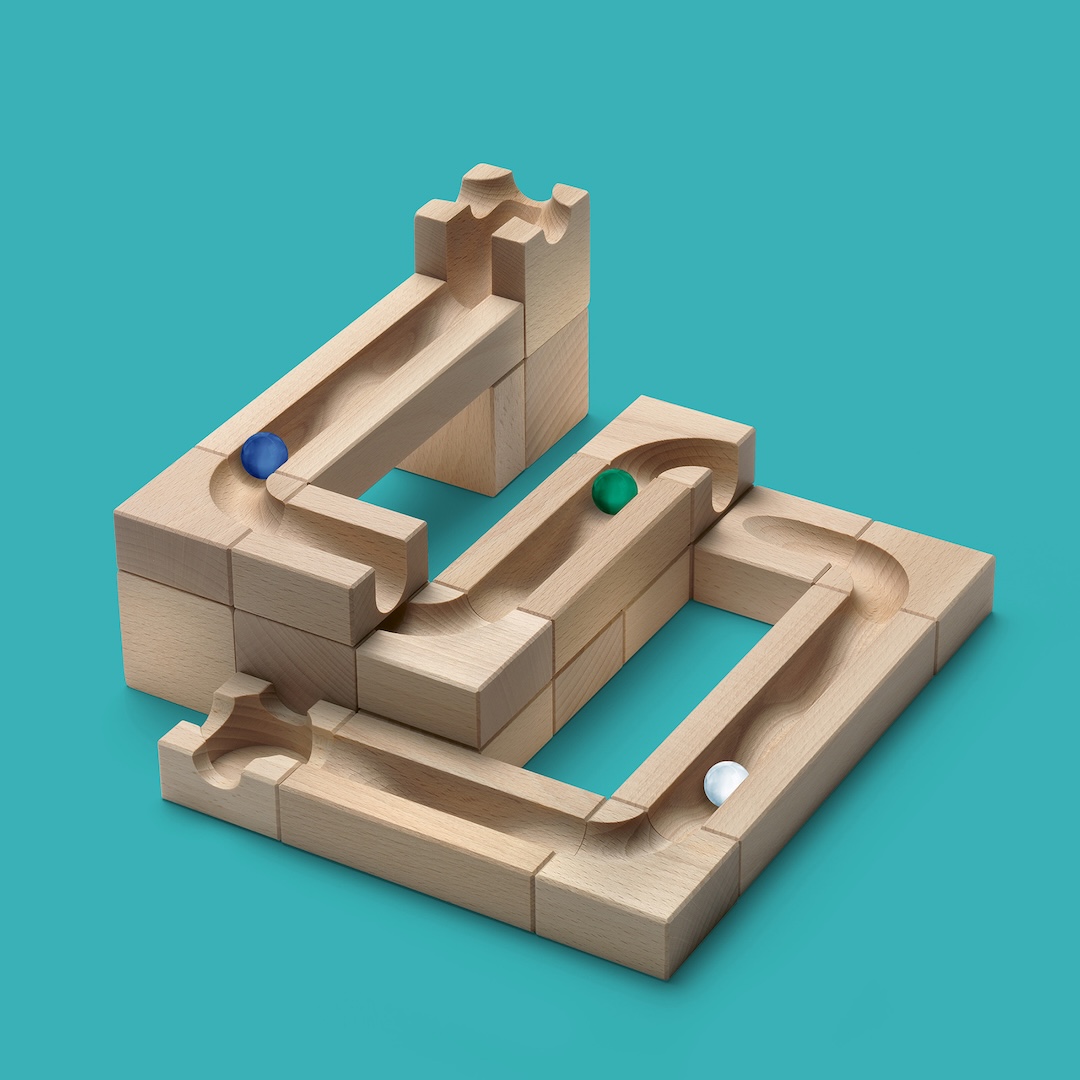
Cuboro Wave takes its lead from time spent sailing, translating the rise and fall of gentle waves into a marble run. Sebastian Etter’s add-on set introduces shaped elements that send marbles through undulating paths before they continue to another level. It adds a different rhythm to the existing Cuboro system, giving builders another movement to plan around.
Cuboro Wave Marble Run by Sebastian Etter
Made in Switzerland from Swiss Wood certified beech, the pieces combine with Cuboro’s existing cubes and starter sets. Players can rearrange the track, observe the marble’s route, and adjust their construction for the next run. The wave becomes another variable to experiment with, linking the shape of each element to what happens farther along the course.
Cuboro Wave Marble Run by Sebastian Etter
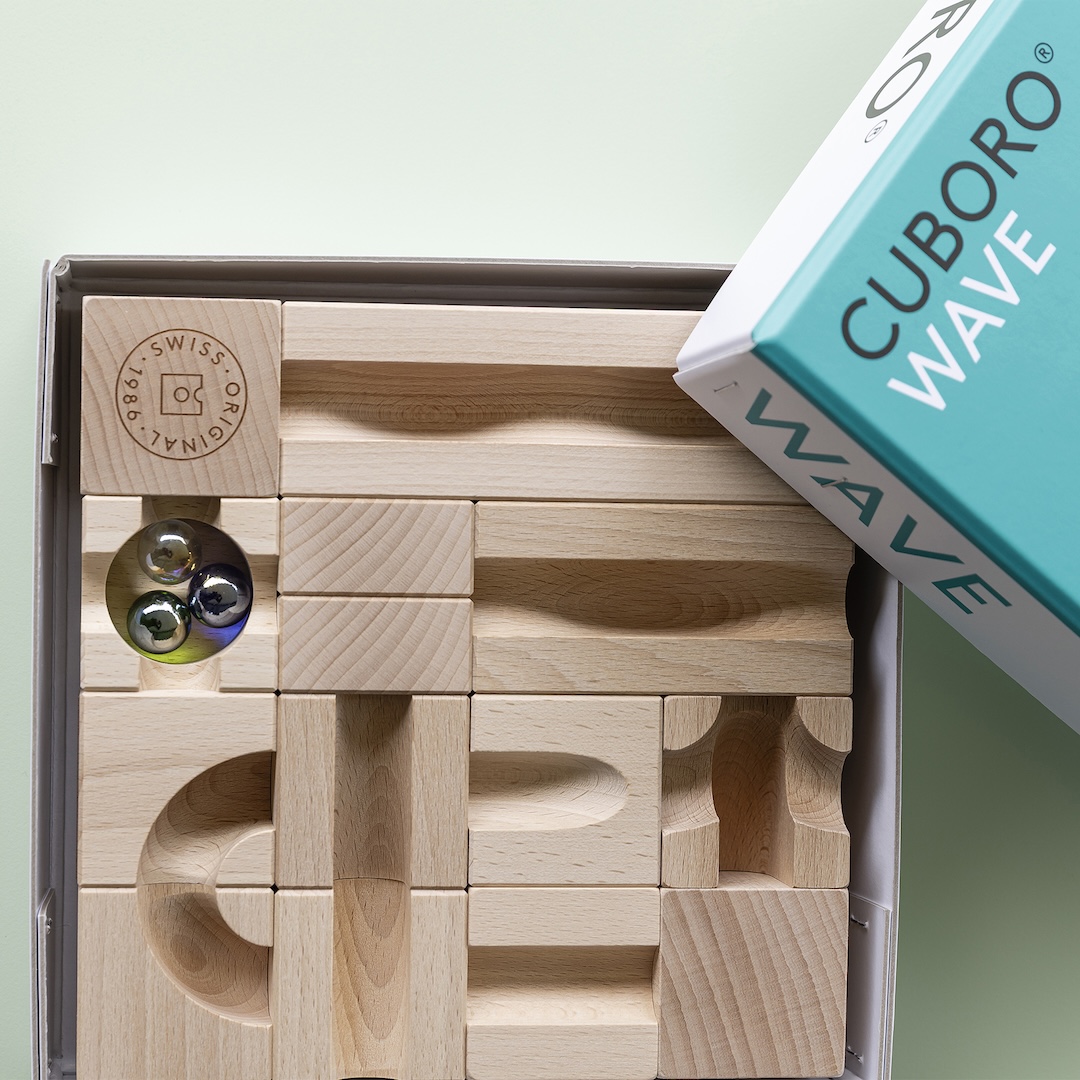
Cuboro Wave Marble Run by Sebastian Etter
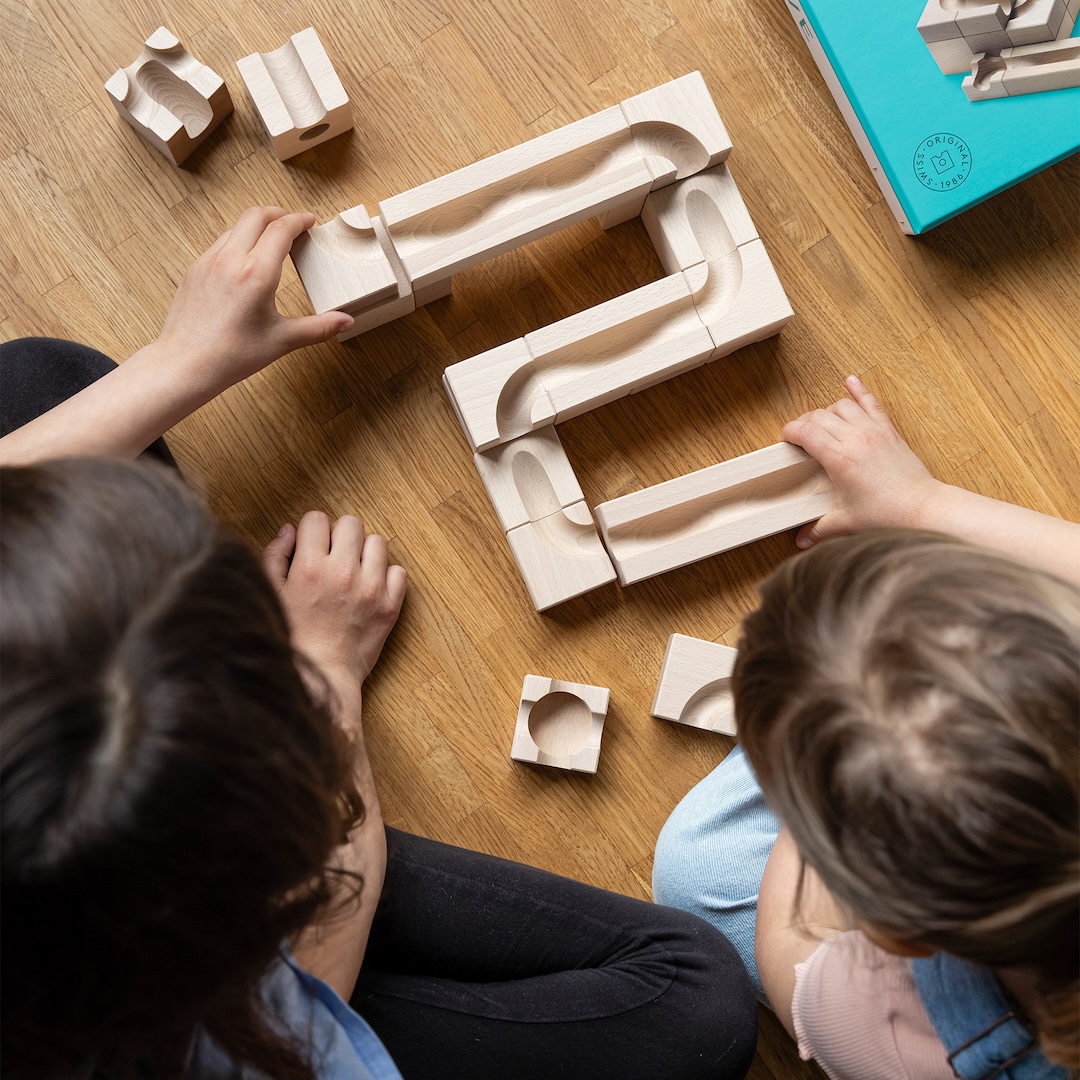
Cuboro Wave Marble Run by Sebastian Etter
Strings Stool
The Strings Stool finds its starting point in the sanshin, Okinawa’s traditional stringed instrument. Yuna Yamashiro carries the instrument’s tension and rhythm into furniture through an arrangement of cords. Those strings have a practical role, allowing users to tuck small belongings or mementos between them and make the stool part of their everyday routines.
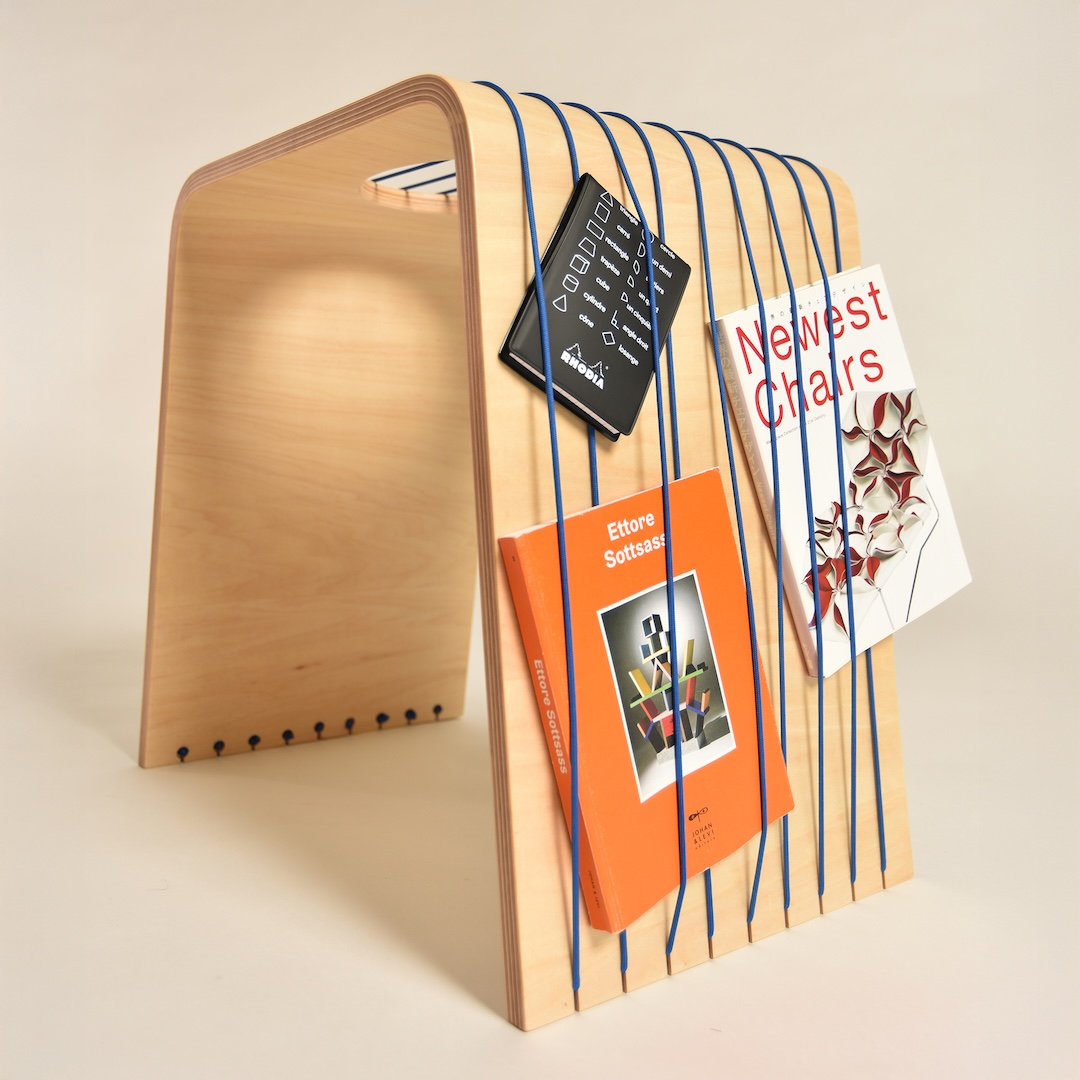
Strings Stool by Yuna Yamashiro
Replaceable cords let users change the color to suit their preferences or surroundings. A central opening shapes the seating surface, while outward-angled trapezoidal legs allow the stools to stack. The design brings its musical reference into the details of storage, seating, and customization, giving the strings work to do beyond their appearance.
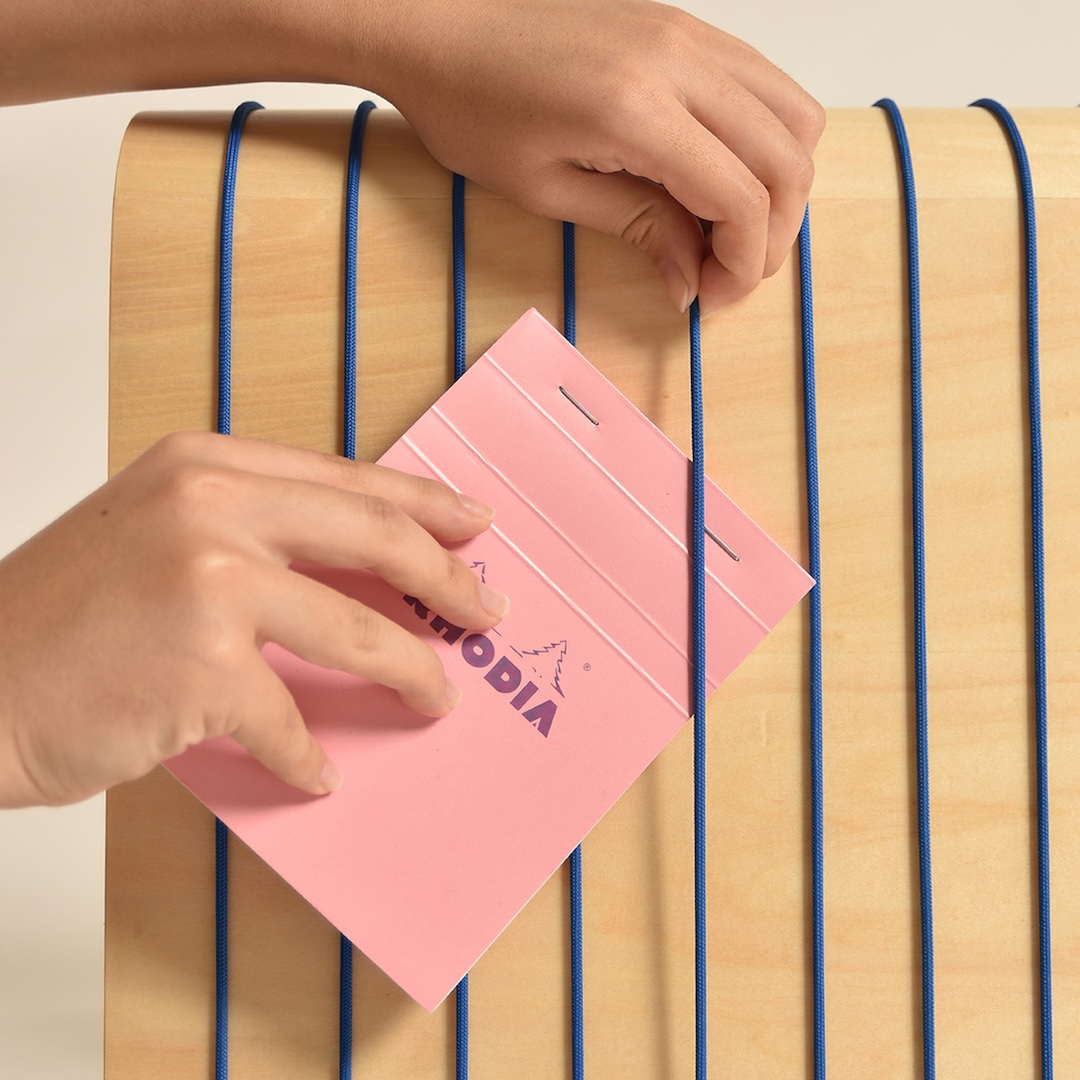
Strings Stool by Yuna Yamashiro
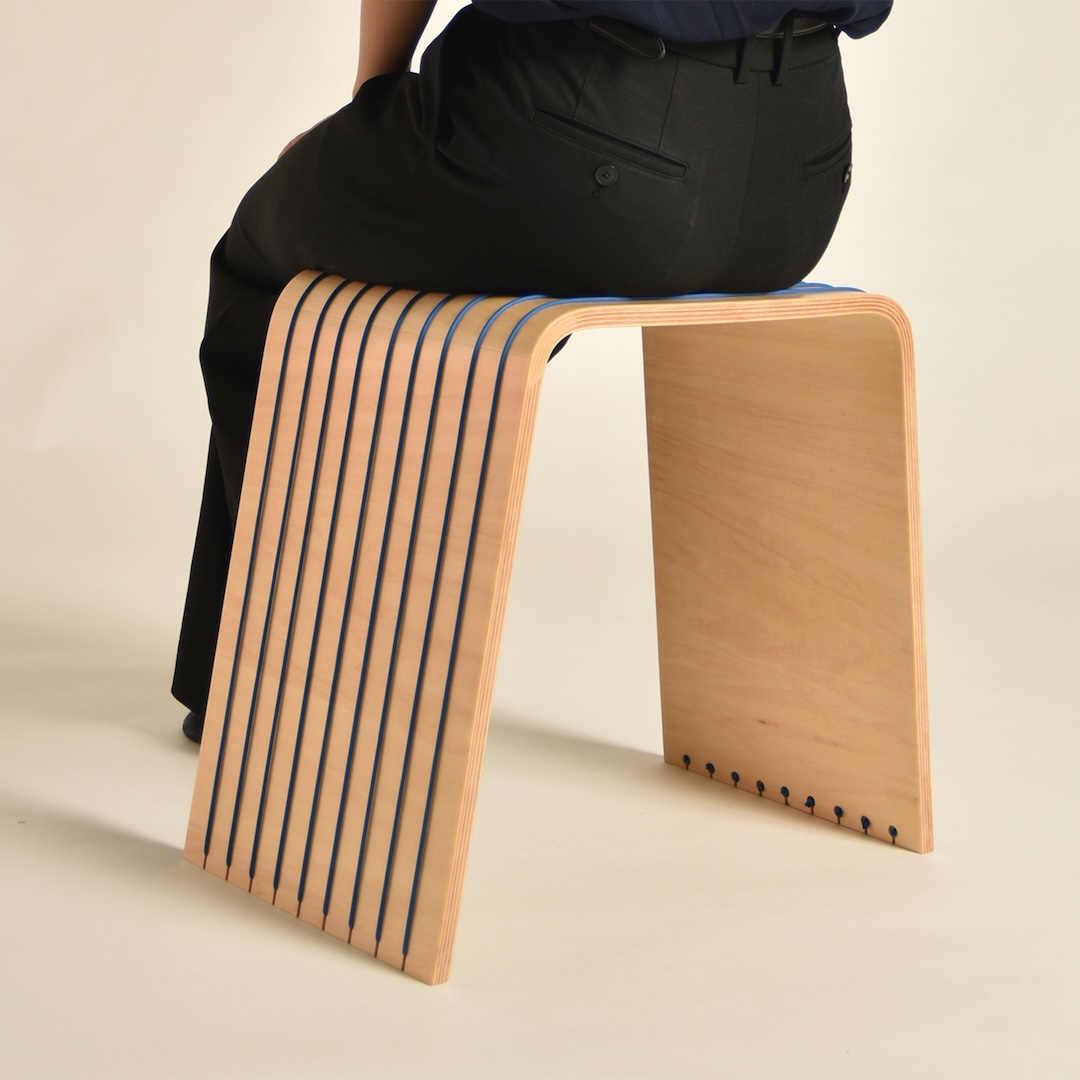
Strings Stool by Yuna Yamashiro
A familiar object can still have a few new tricks up its sleeve. These A’ Industrial Design Award winners offer reasons to look closer at the choices behind a product, from its overall silhouette to the details people encounter each time they use it.
Designers, studios, and brands ready to share their own work can register today and submit by February 28, 2027, ahead of the winners’ announcement on May 1, 2027. For further inspiration, see more award-winning creations.
This is a sponsored post.


