
Unilever Bans Photoshopping Models’ Looks, The Word ‘Normal’ From Advertising
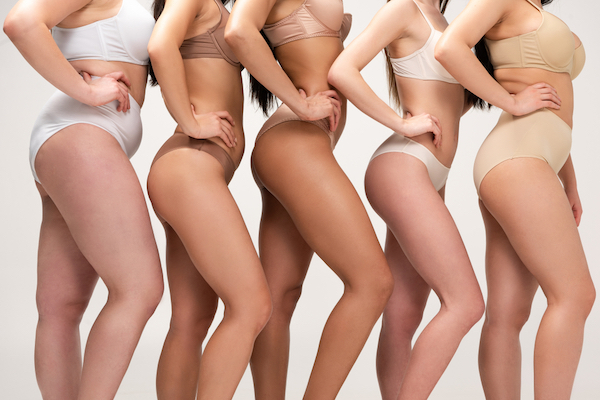
Image via Shutterstock
With over 400 brands to its name and a commanding presence in some 190 countries, Unilever could certainly pull the strings of industries and guide consumer perceptions into healthier directions. Over the years, its brands have stepped up to remedy toxic ideals influenced by years of beauty advertising; Dove has been elevating features that people have been conditioned to perceive as “flaws,” while certain companies—like Fair & Lovely in India—are rebranding to unseat cultural stereotypes.
And on Tuesday, the consumer goods conglomerate announced its growing commitment for Positive Beauty with an adamant rejection of digital alterations on models’ appearances, as well as a wipeout of the word “normal,” from beauty advertising and packaging to pave way for a more inclusive era of beauty.
Unilever’s seemingly simple decision to remove the word “normal” was driven by its 10,000-person study, conducted in nine countries, which found that more than half of people thought the beauty and personal care industry could make people “feel excluded,” that seven in 10 agreed that the word “normal” on packaging and advertising had a negative impact, and that more than seven in 10 people believed the industry should turn their attention to making consumers feel better, rather than look better.
“The decision to remove ‘normal’ is one of many steps that we are taking to challenge narrow beauty ideals, as we work towards helping to end discrimination and advocating for a more inclusive vision of beauty,” explained Unilever, which owns brands like Dove, Axe, Lifebuoy, and Sunsilk. “It comes as global research into people’s experiences of the beauty industry reveals that using ‘normal’ to describe hair or skin makes most people feel excluded.”
The word ban will affect the packaging of at least 200 products, noted The Guardian, and changes will take full effect within a year.
On top of that, Unilever vowed in its press release that it “will not digitally alter a person’s body shape, size, proportion or skin color in its brand advertising.” Influencers enlisted by the company to promote its products will also have to abide by the retouch-free guidelines.
To strengthen its stance on inclusivity, Unilever’s brands will additionally showcase more advertisements with people “from diverse groups who are under-represented.”
Sunny Jain, President of Beauty & Personal Care at Unilever, noted, “With one billion people using our beauty and personal care products every day, and even more seeing our advertising, our brands have the power to make a real difference to people’s lives. As part of this, we are committed to tackling harmful norms and stereotypes and shaping a broader, far more inclusive definition of beauty.”
[via The Guardian, cover image via Shutterstock]
Also check out these recent news


