
Germany To Test Sustainable ‘Flying Fuel Cells’ For Lighter Plane Flights
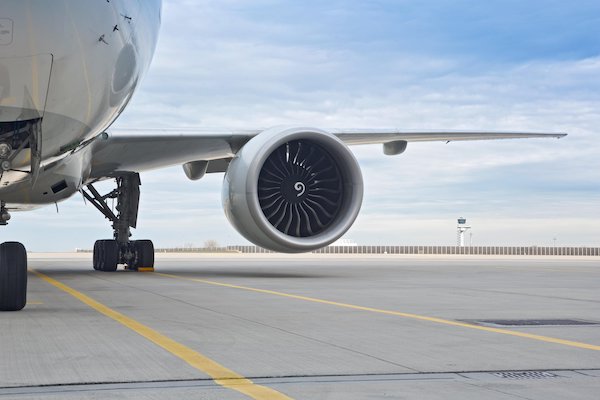
Image via MTU Aero Engines
In a bid to save the climate from disastrous amounts of emissions, different branches of the transport industry are turning to alternative methods of power. For cars, it’s electricity, and for aviation, it’s looking like sustainable aviation fuel (SAF) is a popular bet.
However, this German company is pivoting to an alternative: flying fuel cells (FFC). We’ve seen fuel cells before in Hyundai’s concept trucking system, but that still had them on the ground. Now, they’re taking flight.
MTU Aero Engines, the biggest aircraft engine manufacturer in Germany, has just embarked on a partnership with the European Union Aviation Safety Agency (EASA). This will see the two parties discussing safety regulations and the future certification of FFC, bringing the new technology to the center of attention.
Hydrogen-powered fuel cells are, according to the company, a “very promising” propulsion concept that takes the industry another step closer to zero-emission aircraft. They’ll be especially useful for regional flights.
As hopeful as it seems, MTU’s Head of Quality, Thomas Frank, admits that the FFC is still largely “uncharted territory.” This is why certification needs to be negotiated at “such an early stage,” he shares in a statement.
Alongside this, the company is also working in collaboration with the German Aerospace Center DLR, to develop a fuel cell powertrain. To test and demonstrate this potential future power source for the aviation industry, a Do228 aircraft will be fitted with a hydrogen-powered fuel cell and a single-sided electric propeller drive.
[via autoevolution, cover image via MTU Aero Engines]
Also check out these recent news


