
Classic Gas & Diesel Car Owners Can Now Convert Them Into Electric Automobiles
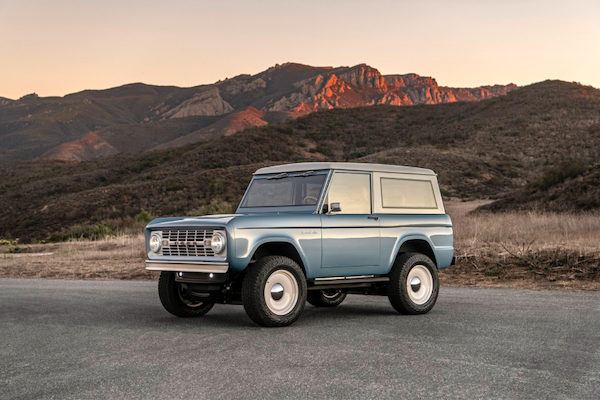
Image via Zero Labs
Just because classic cars are based on traditional gas and diesel doesn’t mean that they have to be left in the past. The beauty of a classic can be brought into the future thanks to electrification, and that’s what Zero Labs has set out to do.
Announcing its third-generation EV platform, the company is striving to convert existing gasoline and diesel classics to zero-emission vehicles.
Some of the vehicles that’ll be able to enjoy this makeover include a classic 1974–1975 4x4 and a 1947–1975 classic pickup.
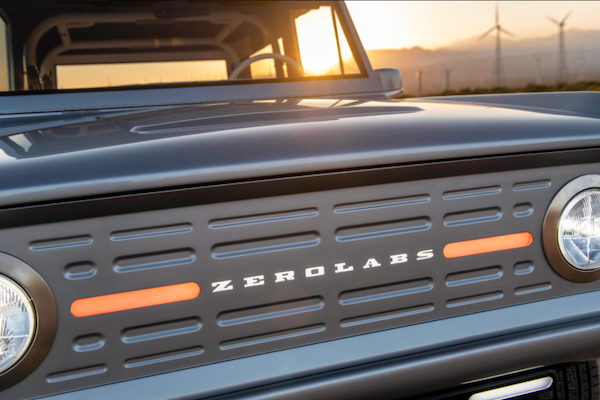
Image via Zero Labs
The four-stage process involves taking the vehicle apart to remove all the old technology before fitting it onto one of the company’s proprietary platforms, which boasts a “safer and cleaner solution.”
Apart from being a more sustainable option to driving a car, especially with the looming global emissions and electric vehicle mandates, the platform will be giving the vehicles a new lease of life. After the transformation, they’ll be enjoying up to 400% power increases as well as the potential to upgrade the battery and software when future improvements come.
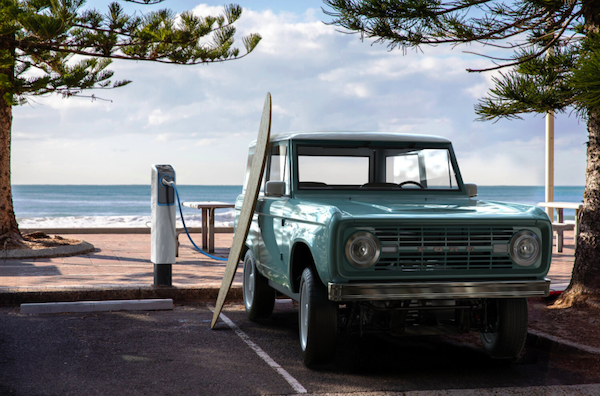
Image via Zero Labs
Founder and CEO Adam Roe cites personal connection as one of the reasons why conversions are “vital” to EV adoption in a statement to Electrek. “Many of our customers already have an EV as a daily driver but feel new plastic electric vehicles lack ‘soul’ or any connection to a personal history,” he says. The “growing gap” between classic and modern needs to be bridged, which is where Zero Labs comes in.
The average cost to upgrade a vehicle with the new platform is around US$350,000, per the news outlet. Despite this, Roe shares that Zero Labs has since received “tens of thousands” of requests, and that many orders for 2022 and 2023 have already been signed.
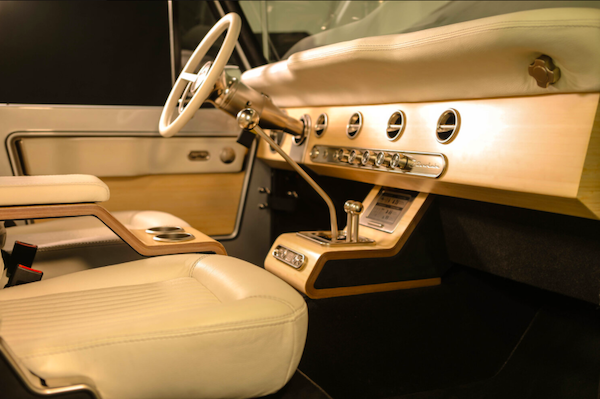
Image via Zero Labs
Looking at the cars, it’s easy to see why. The difference isn’t stark or flashy—the aesthetics and quality of the car’s designs are very much retained, but with a cleaner inside and better driving experience. This will, of course, ensure its longer life, too.
[via Electrek, images via Zero Labs]
Also check out these recent news


