
Victoria’s Secret To Spread Its Wings Into Metaverse With Virtual Lingerie
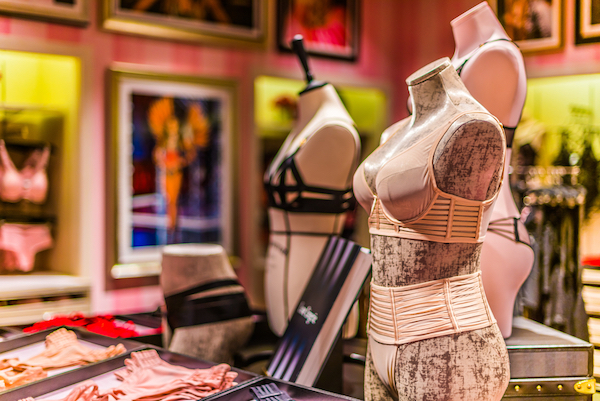
Victoria’s Secret has set its sights on bringing sexy back into virtual interactions, as suggested in new metaverse-related trademark applications it recently registered with the US Patent and Trademark Office.
The filings, discovered by trademark attorneys Josh Gerben and Michael Kondoudis, detail protection for “downloadable virtual goods,” including non-fungible tokens; “virtual merchandise” like “clothing, undergarments, footwear, headwear, eyewear, bags, [and] fashion accessories”; and “entertainment services” for use in “virtual environments and virtual fashion shows.”
Victoria's Secret is headed to the metaverse and has plans to sell virtual lingerie.
— Josh Gerben (@JoshGerben) February 14, 2022
The company has filed 4 new trademark applications indicating that it intends to sell "virtual undergarments, footwear and fashion accessories." #VictoriasSecret #Metaverse pic.twitter.com/ZWt1b3kdIE
Digital products and services could be sold in both online and virtual settings, the applications state.
A dramatic strut into the metaverse looks to be the latest of Victoria’s Secret’s moves to rise above a history of hypersexualization and exclusion. Once adamantly positioned for the male gaze, the fashion label has now rebranded with a focus on “what women want.”
When it finally agreed to recalibrate its vision, it was almost too late for the label. Victoria’s Secret was slow to react despite pressures by consumers to bring more representation and encourage body positivity in fashion, instead of perpetuating singular beauty ideals. Perhaps this airly quick venture into the metaverse is its bid to avoid being burnt twice.
[via Finbold and Ad Age, cover photo 176042391 © Monticelllo | Dreamstime.com]


