
Surprise, Surprise: Social Media Has Effects On Teens We’re Already Aware Of
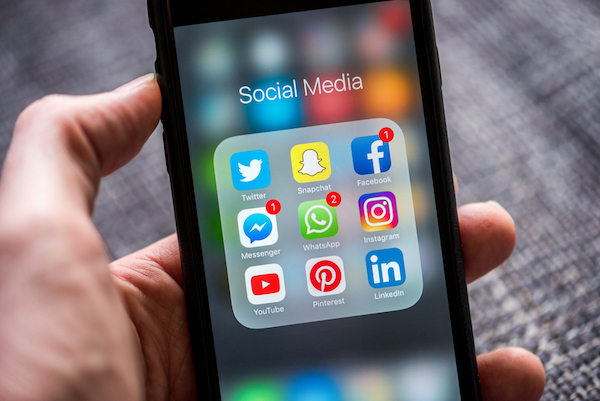
Chances are, no one’s surprised to hear that social media has a negative effect on users, especially teens who are more susceptible to peer pressure.
Last year, leaked documents from Meta showed Instagram was detrimental to the younger population, even going so far as to make “body image issues worse for one in three teen girls.”
Now, a new study from the University of Oxford has backed up those claims, with the overarching finding that adolescents with “lower life satisfaction” spend more time on social media than their peers.
Interestingly, it appears the “peak period” of the negative impact of social media differs across the gender line in terms of age, with teen girls experiencing the most detriment at ages 11 to 13, and teen boys between ages 14 and 15.
Overall, increased use of social media allows scientists to predict if an individual will be less satisfied with life at the age of 19.
The study involved 84,000 volunteers between the ages of 10 and 80 years old, including data that tracked individuals over a period of time from 10-years-old to 21-years-old.
“The link between social media use and mental wellbeing is clearly very complex. Changes within our bodies, such as brain development and puberty, and in our social circumstances appear to make us vulnerable at particular times of our lives,” explained Dr Amy Orben from the University of Cambridge.
Instead of worrying about the impact of social media on a “specific age group,” Orben says we should all reflect on our use of networking platforms, though more research is needed to understand the differences across age groups and between genders.
“There are very large individual differences, so there may be certain teenagers that benefit from their use of social media whilst at the same time, someone else is harmed,” she noted.
Professor Andrew Przybylski, Director of Research at the Oxford Internet Institute, agreed, saying that new conversations have to be had regarding how to improve parenting around technology.
“It’s not about social media being good or bad, it’s about what young people are up to, why they are using it, and how they feel about it,” he said.
[via SlashGear and University of Oxford, cover image via Allard1 | Dreamstime.com]


