
Apple Face ID Creators Invent Tiny Robots To Carry Drugs Into The Brain
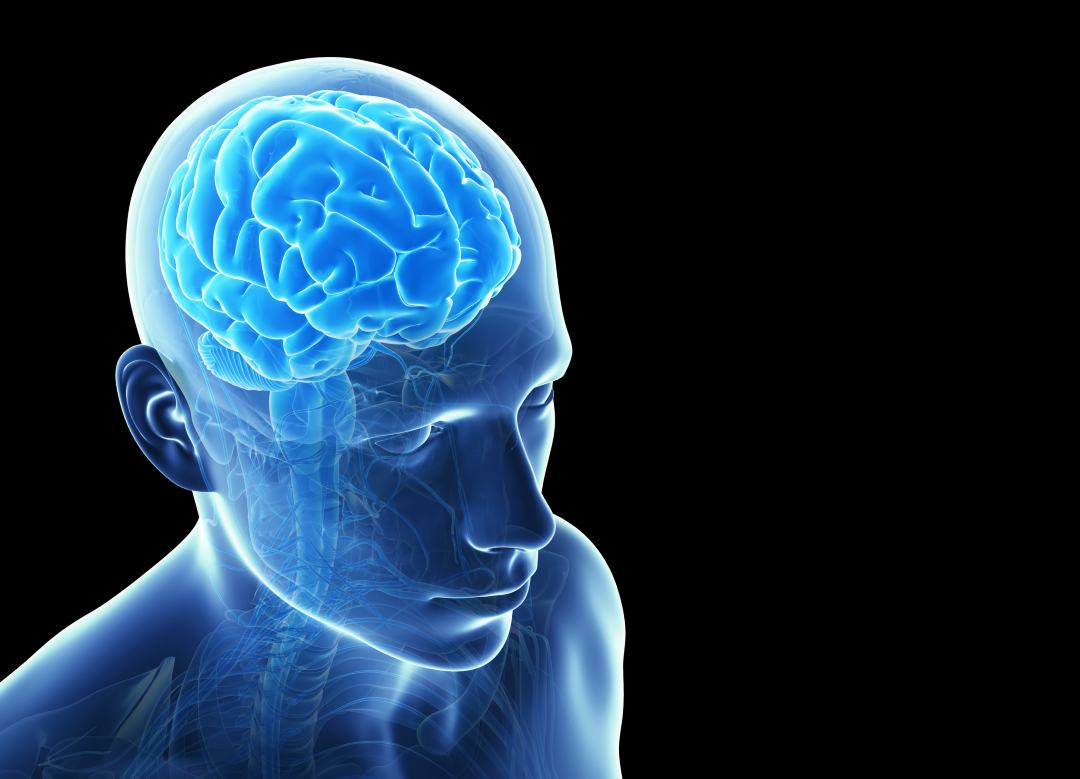
Illustration 30723577 © Sebastian Kaulitzki | Dreamstime.com
Beyond doctors and nurses, the medical tech sector has opened its arms to a new tier of assistants that sometimes can’t even be seen by the naked eye. Microrobots can be transported into the body to spot symptoms that can’t be detected by external equipment, and even nurse the body back to health by treating affected regions.
Michael Shpigelmacher and Aviad Maizels, two Israeli biotech entrepreneurs who co-founded the 3D sensor technology company that powered Apple’s Face ID and Microsoft’s Kinect, are now looking inwards with tiny robots that can perform dexterous tasks in the body. The said firm, PrimeSense, was acquired by Apple for about US$400 million in 2013.
Under their new Los Angeles-based company, Bionaut Labs, Shpigelmacher and Maizels have invented microrobots that are propelled by magnets to deliver drugs to target sites or even handle microscale medical procedures, the Financial Times reports.
About the size of a grain of rice, the robots enter the body by being injected into the back of the head.
When their mission is complete, they can be guided back to the needle to be retrieved.
Bionaut’s founders say the robots can eventually form a “platform,” working from the “holy grail” of the brain to treat illnesses, and being present throughout the central nervous system and other parts of the body when needed to diagnose diseases or perform biopsies.
Shpigelmacher began looking into microrobots after the revelation that drugs are distributed across the body even for conditions that are very local. This potentially gives rise to unwanted side effects.
Robots, on the other hand, are laser-focused in their tasks. The little helpers will also be able to reach places in the body that science cannot access as easily.
Image via Bionaut Labs
In time, Bionaut’s miniature robots could be used to treat prevalent diseases like Alzheimer’s, Parkinson’s, Huntington’s, and strokes, the report notes.
Thus far, they’ve been tested on animals to have their size and speed refined, as well as to prove they won’t cause tissue damage. The company has since raised US$43.2 million in its second round of funding to enable human clinical trials.
The human tests will first see the robots transport drugs that treat a type of brain tumor, in addition to performing a procedure for a rare pediatric neurological disorder called Dandy-Walker Syndrome, where the robot will punch a hole into a cyst.
The bots have also been approved by the US Food and Drug Administration for humanitarian use, meaning that they can be utilized when there is no other option to save a patient’s life, and have been granted an orphan drug designation.
[via iPhone in Canada and Financial Times, images via various sources]


