
AI-Generated Photo Editing App With ‘Magic Avatars’ Tops App Store Charts
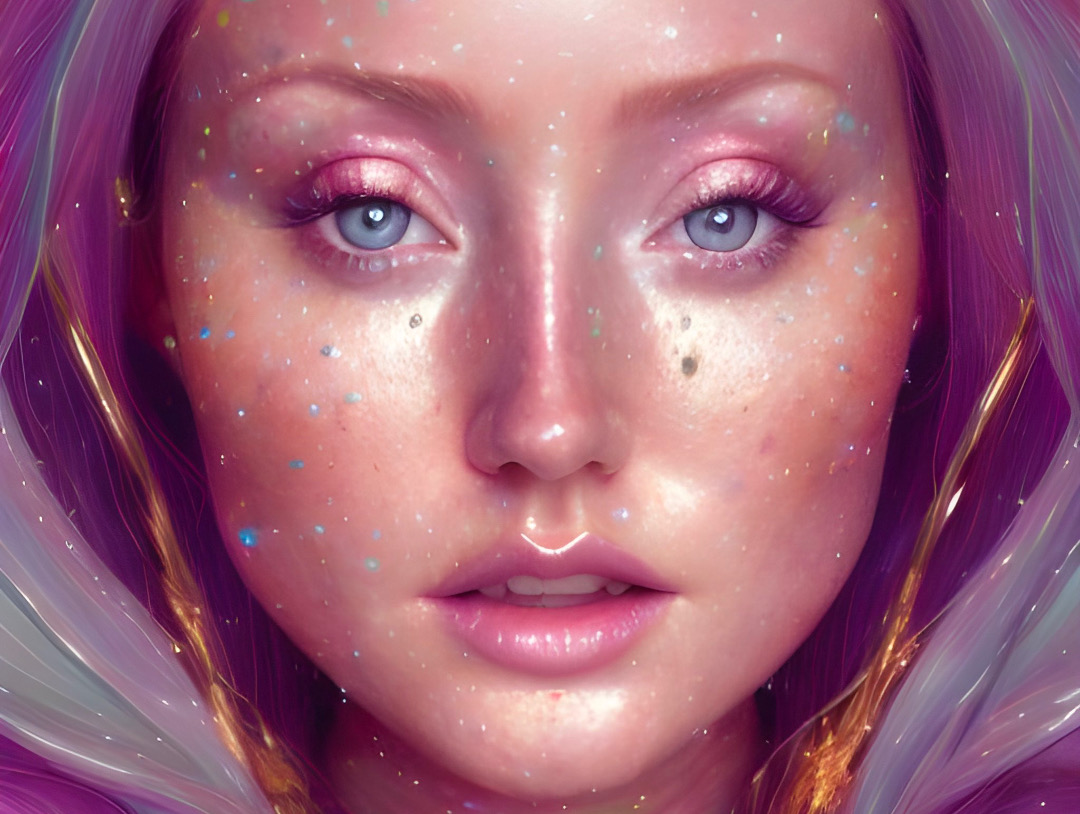
Image via Prisma Labs
AI-generated art creation is all the rage these days. What was once a craft that took natural talent plus years of honing is now something that can be accomplished by anyone in an instant—no paintbrushes needed, just a few words as prompts.
As a sign of the times, one photo editing app that promises to transform selfies into “magic avatars” has skyrocketed to the top of Apple’s App Store charts in the US.
Lensa AI, powered by Russian mobile tech company Prisma, was launched in 2018 as a decent—albeit pretty run-of-the-mill—photo editor, but it is currently enjoying a resurgence thanks to its new ‘Magic Avatars’ selfie generator that rolled into the app in late November.
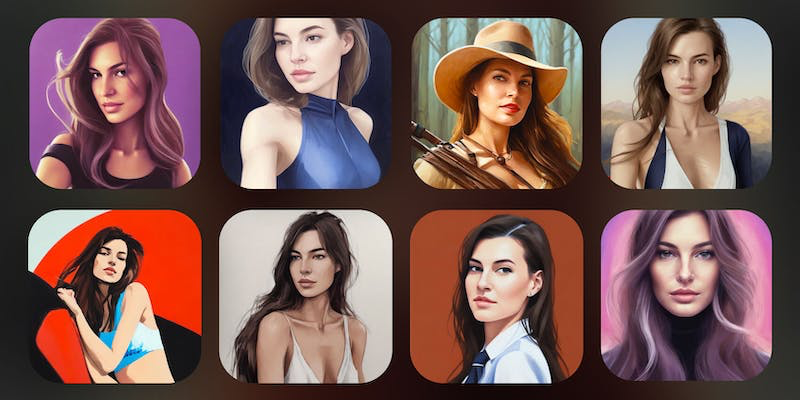
Image via Lensa AI / Product Hunt
Lensa has reaped about 22.2 million worldwide downloads and nearly US$29 million in consumer spending throughout its lifetime, TechCrunch cites app analytics firm Sensor Tower. In November alone, though, it was installed 1.6 million times, 631% up the mere 219,000 downloads from the previous month.
On Apple’s App Store, the app now claims the number-one spot on the highly competitive ‘Photo & Video’ US charts, surpassing social media giants TikTok and Instagram.
‘Magic Avatars’ reimagines self-portraits in styles like ‘Pop Art’, ‘Anime’, and ‘Fantasy’, and it delivers results that look as though they were drawn by a real artist. It is powered by Stable Diffusion, an open-source model trained on billions of images, including original work uploaded to Flickr, DeviantArt, ArtStation, Pinterest, and Getty Images.
Modern AI is pretty crazy these days. @PrismaAI took a swing on me and the results are crazy in my opinion. Very rich details and unique spin on looks. Going to have some fun with this. #ai #MachineLearning #gpt4 #tensor #gpt3 #PyTorch #cuda @nvidia pic.twitter.com/iVuA510YNQ
— Bitsbetrippin (@BitsBeTrippin) November 27, 2022
To request an AI-created selfie on Lensa, users will first have to upload 10 to 20 photos of themselves so the machine can learn what they look like. And in just a few seconds, the app will churn out a simulated selfie in various styles, from scratch.
“[Lensa is] not photo editing, nor a filter or an effect. It’s like nothing you have ever seen,” describes Prisma Labs on its website.
Lensa, available on iOS and Android, is only free for seven days as part of a trial program, after which users will have to be subscribed to the app for US$39.99 a year.
However, ‘Magic Avatars’ is an add-on option that both subscribers and non-members will have to pay for. The tool charges US$3.99 for 50 unique avatars at its basic tier.
The majority of Lensa’s users (58%) hail from the US, although downloads from Brazil have spiked in the past month.
Lensa isn’t the only AI art generator that is making its mark on app stores. Google has named Dream by WOMBO, another AI art creator, the Play Store’s “best overall app” of 2022.
The wave of tools like DALL-E has upended the art world. Creators aren’t just triggered by the instant gratification of such apps, but they’re also indignant about the way these bots have come about in the first place.
For machine-learning models to have a clear perception of objects and visual themes, they will need to be fed a rich dataset of real artwork and artists’ personal styles—a part of creatives’ identities that can take several years to perfect. Many of the works in the dataset are included without the originator’s consent or knowledge (you can see if your art or photo was used by an AI in this search engine).
In time, we’ll have more answers for the legal gray area that AI art generators currently occupy. Work has just begun to better protect artists who feel they may have been exploited in this game. Stable Diffusion itself has updated its program so users can no longer request specific styles of artists or generate photorealistic imagery of celebrities. Meanwhile, DeviantArt is giving artists the ability to opt out of their work being added to the training dataset of its art generator. These steps aren’t perfect, sure, but they’re a start.
View this post on Instagram
These AI photos generated by @PrismaAI are kinda crazy 😳🔥 pic.twitter.com/A0CtkX4he2
— Ken Walker (@TheKenFolk) November 29, 2022
View this post on Instagram
[via PetaPixel and TechCrunch, images via various sources]


