
China To Enforce Deepfake Laws Against Non-Consensual, Ill-Intending Images
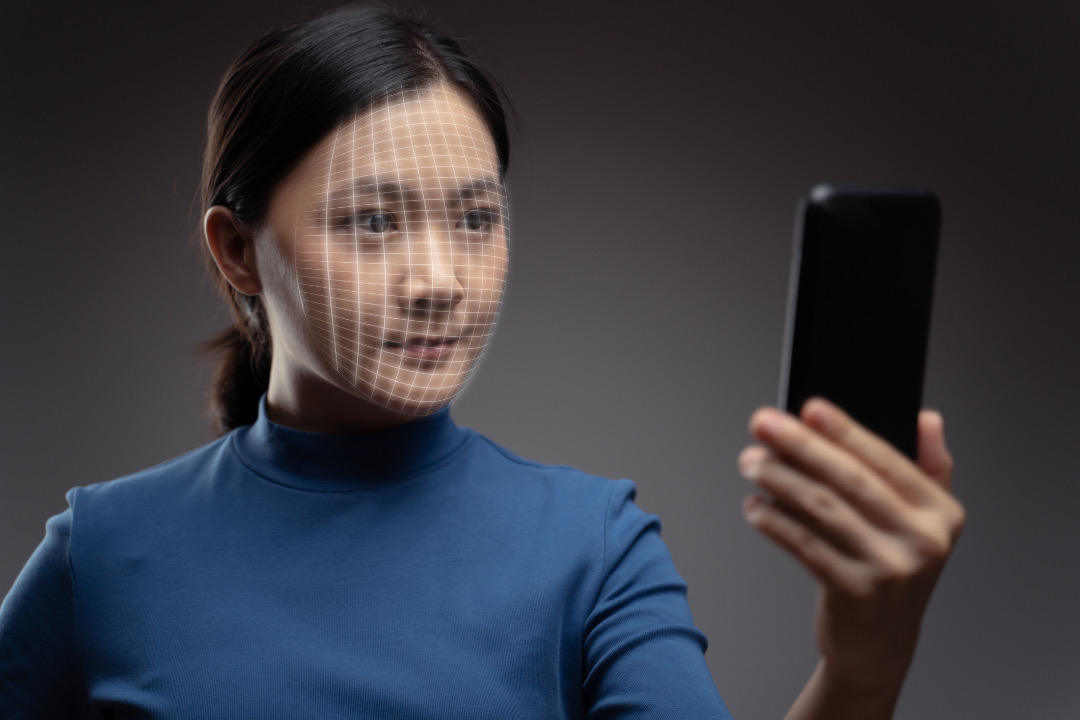
Photo 196817041 © Chajamp | Dreamstime.com
If you wish to superimpose another person’s face over your own in China, you’ll have to be registered.
China’s Cyberspace Administration (CAC) is gearing to prohibit “deepfaked” content that was created without the subject’s consent or generated in opposition of national interest, according to a press release issued by the government.
The new regulations, which will take effect on January 10, 2023, will protect non-consenting victims from being impersonated and prevent “illegal and harmful information” from being disseminated. At the same time, they anticipate a future where AI-generated humans will widely serve as digital assistants, such as being trained as chatbots.
As such, synthetic humans will need to be flagged as digital creations to maintain transparency. Providing support is one way deepfake technology can contribute meaningfully, the Chinese government points out.
More notably, however, the new laws will further censor depictions that conflict with socialist values, as reported by The Register. They will join a long list of imagery deemed as taboo in China, such as comparisons between President Xi Jinping and Winnie-the-Pooh.
Deepfakes are videos, images, or audio that realistically replace original subjects with the likenesses of others. As the technology for such applications advances, it has become harder to distinguish truth from fiction. When placed in the wrong hands, the implications can be dangerous. In recent years, deepfakes have been at the center of revenge porn and even crypto scams.
Aside from blocking attempts at slander, the guidelines will enforce accountability on creators of deepfakes—termed as “deep synthesis service providers” by the authorities—to ensure that their artificially-intelligent or machine-learning models and algorithms are regularly updated as well as comply with security regulations.
Users who rely on deepfakes as avatars will have to register themselves, a process that will include declaring their real names.
China says the new guidelines will encourage “the healthy development of internet information services” but prevent AI technology from being used for malicious purposes.
The news comes just after the UK government announced a revision of its Online Safety Bill to criminalize the sharing of sexually-explicit deepfaked content featuring subjects who have not consented to their image being used. The proposed regulations could punish culprits with jail time.
[via The Register and Reuters, cover photo 196817041 © Chajamp | Dreamstime.com]


