
NASA & Boeing Are Redesigning Planes To Jet-Set Sleeker Yet Cleaner Air Travel
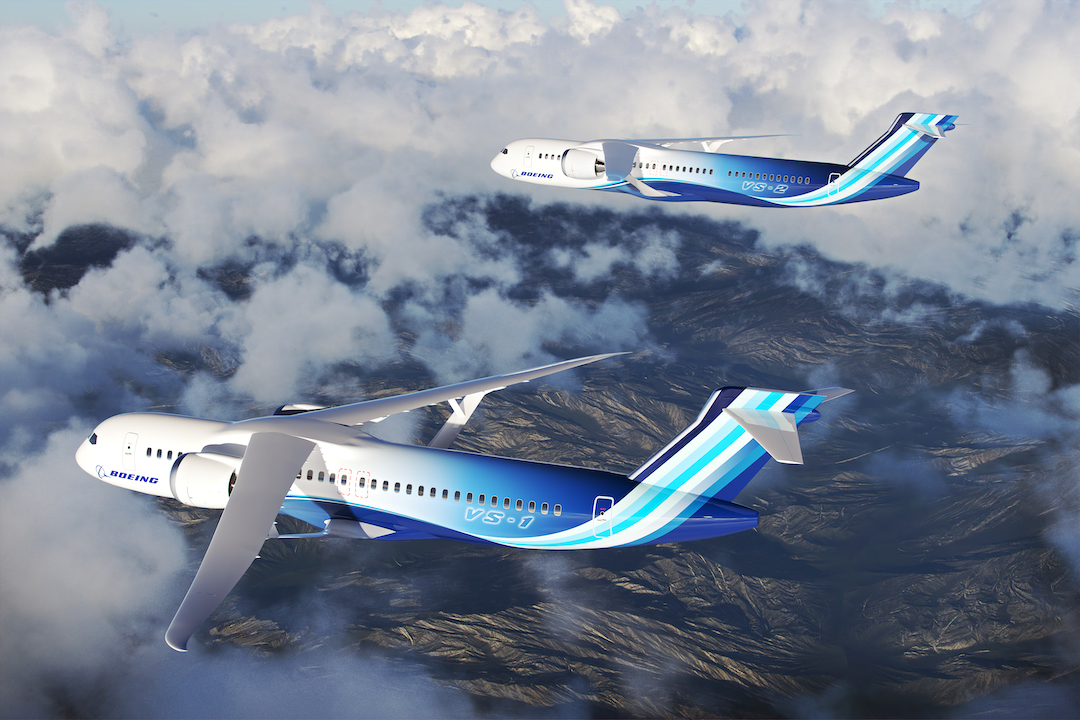
As the focus shifts from electrifying the roads to decarbonizing air transport, NASA recently announced it is working with Boeing to engineer a new airliner that would make flying a more sustainable way to get from point A to B.
Expected to hit the skies by the end of the decade, the full-scale demonstrator aircraft—equipped with the Transonic Truss-Braced Wing concept—will provide an eco-friendly, efficient alternative to the jets of today.
According to the space agency, single-aisle aircraft are a staple for many airline fleets, and they account for nearly half of the aviation emissions worldwide.
The first step is to make these jets sleeker, and the project will work on developing an aircraft with longer, thinner wings stabilized by diagonal struts.
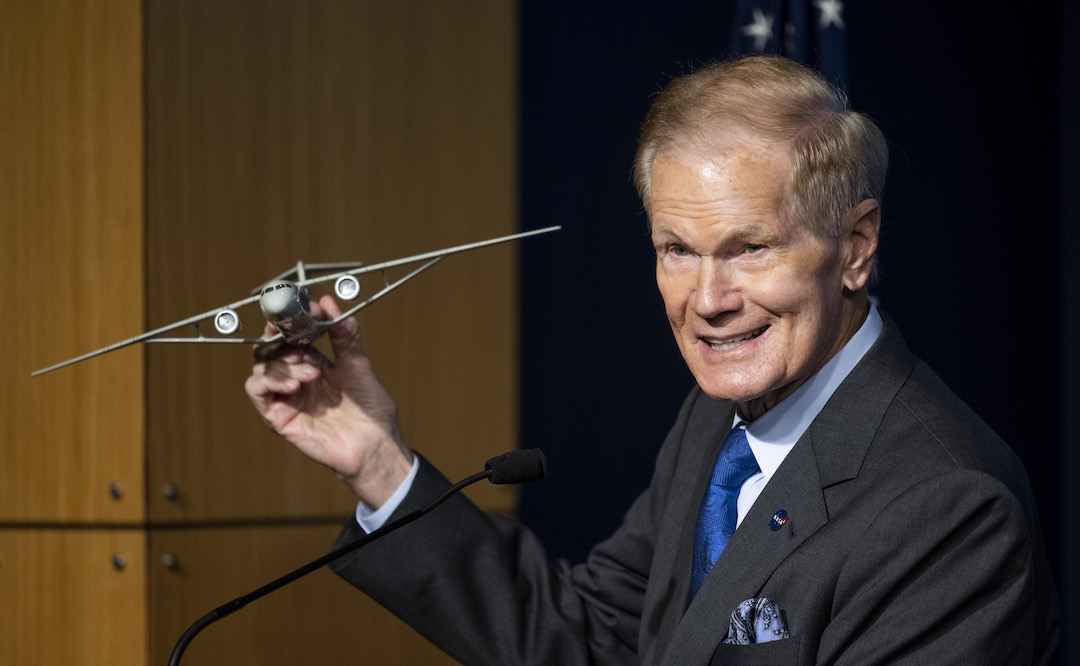
With this redesign, which is being touted as “transformative,” an airplane’s sleeker shape will allow it to face less resistance and drag while in the air, making it more fuel-efficient than a traditional jet by up to 30%.
Over the next seven years, NASA will invest US$425 million into the project, while Boeing and its partners will contribute the remainder of the funding—an estimated US$725 million. The cost may be hefty, but should the idea succeed, it could revolutionize the way planes fly in the 2030s.
“NASA is working toward an ambitious goal of developing game-changing technologies to reduce aviation energy use and emissions over the coming decades,” explains Bob Pearce, NASA Associate Administrator for the Aeronautics Research Mission Directorate.
“The technologies demonstrated in this project have a clear and viable path to informing the next generation of single-aisle aircraft, benefiting everyone that uses the air transportation system,” he adds.
[via Robb Report and NASA, images via various sources]


