
Dodo Birds Are The Next Animal Scientists Are Looking To Resurrect
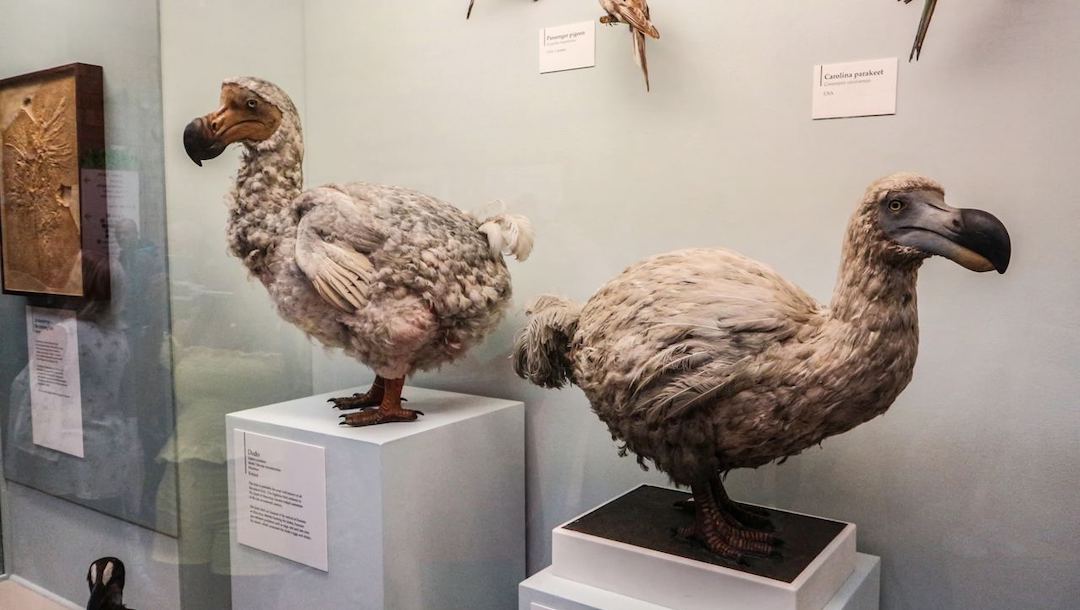
The dodo bird first went extinct in 1681, after Portuguese sailors discovered them on the island of Mauritius, which lies off the east coast of Africa. The animal was a food source for the settlers as they were much larger than turkeys and could provide more meat.
Tragically, this invasion on the island turned their native habitat into a place that was unliveable for them. That coupled with relentless hunting led to their unfortunate extinction.
Colossal, a genetic and biosciences company, now aims to resurrect this species of a past long forgotten and hopefully have them roam the earth again.
As the dodo was a bird, its revival poses a different set of challenges from that of other mammals—such as the Tasmanian tiger—whose DNA could easily be sequenced into various species. Birds, on the other hand, are born from eggs. Because of this, scientists have chosen chickens as the species to carry the dodo genes, although the Nicobar pigeon is actually their closest living relative.
Researchers will use primordial germ cells (PCGs) instead of the editable stem cells as there is currently no way to reconstitute an entire chicken embryo with such. However, the PCGs can divide infinitely into culture dishes and form germ cells, which evolve into eggs and sperm.
The PCGs can be manipulated in the culture dish to form genetically-engineered germ cells before being moved to the circulatory system of a chicken. In this case, having an egg is a boon as scientists can poke a small hole, transfer the PCGs, patch it up and wait for it to grow.
So why go through all the effort to bring back a species that died at the hands of humans? Colossal notes that a big reason for this is funding. Working on such a project can lead to other discoveries for the de-extinction of future birds. Findings could also help in medicine, biotechnology, and even agriculture.
Bringing the dodo back is just the first step in the bigger picture. The team also notes the environmental benefits of having these birds live among us again by citing how the environment in Mauritius will have to change for the better to ensure it can sustain such life.
Colossal is onto some big plans as the dodo is not the only animal it wishes to bring back. It recently announced the possible de-extinction of woolly mammoths by 2027.
[via Ars Technica and Phys.org, Photo 216889564 © Miroslav Posavec | Dreamstime.com]


