
MTA Takes On Fare Evaders In New York With AI Detectors In Seven Stations
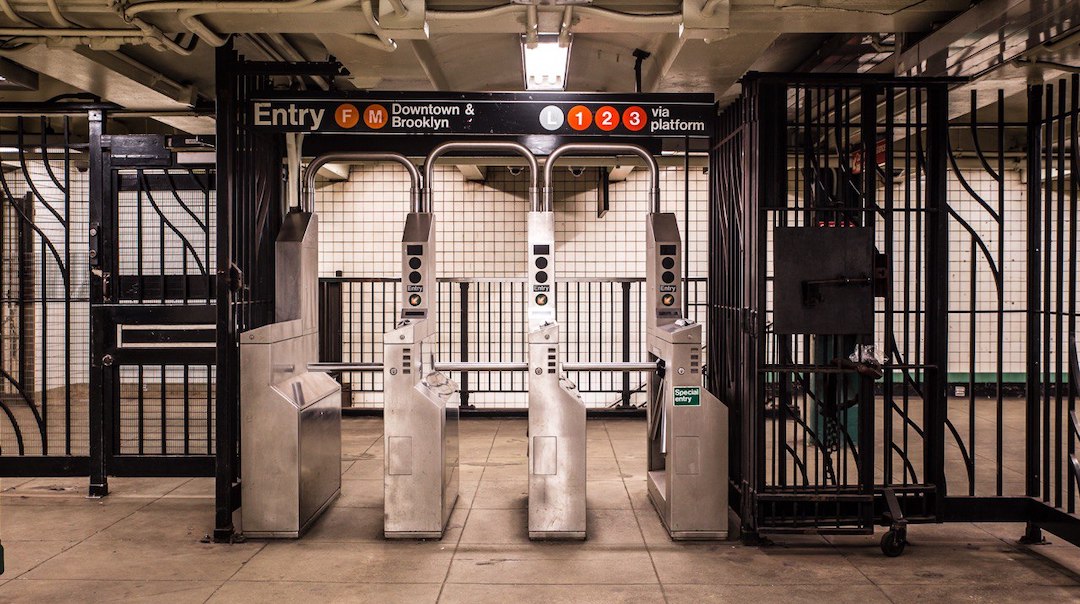
If you live in New York, jumping the turnstiles in the subway at least once is almost a rite of passage. With easy-to-slip-through gantry systems and unmanned emergency exits, evading the authorities is nearly as easy as just, you know, paying for a ride, which is why so many are inclined to do it.
Those days may soon be over as the Metropolitan Transportation Authority (MTA) is ramping up efforts to combat fare evasion.
The agency has admitted to using an artificially-intelligent system called DETECTOR, developed by Spanish-based company AWAAIT, across seven stations to tackle the growing issue of fare dodging.
DETECTOR utilizes real-time analytics to monitor and identify turnstile jumpers in action. It uses one camera to track multiple gates, enabling the system to detect even the most creative methods.
Ticket inspectors are immediately alerted through an app when a potential fare evasion is caught. The system tracks various dodging methods, including individuals who attempt to slip under turnstiles, jump over them, or simply walk through the open emergency exit gates.
It’s important to note that the AI system does not alert the police about these incidents. Instead, its primary aim is to assist MTA personnel in curbing the practice and ensuring a fair system for all commuters.
The system’s success has prompted the MTA to consider expanding the scanning software to approximately two dozen more stations, covering a broader area of the subway network.
The decision to adopt such advanced technology is fueled by the need to address the significant financial impact of turnstile jumpers on the MTA. In 2022 alone, the agency estimates a staggering $690 million in lost revenue due to such evasion.
Other measures being tested to curb such issues include touchless turnstiles that have been integrated into Grand Central Station.
Below is a video on how DETECTOR works.
[via Gizmodo and Time Out, Photo 53575620© Littleny| Dreamstime.com]
This article was crafted with assistance from an AI engine, and has been reviewed, edited, and fact-checked.


