
‘Hello Kitty’ Creator Details The Beloved Character’s Origin 50 Years On
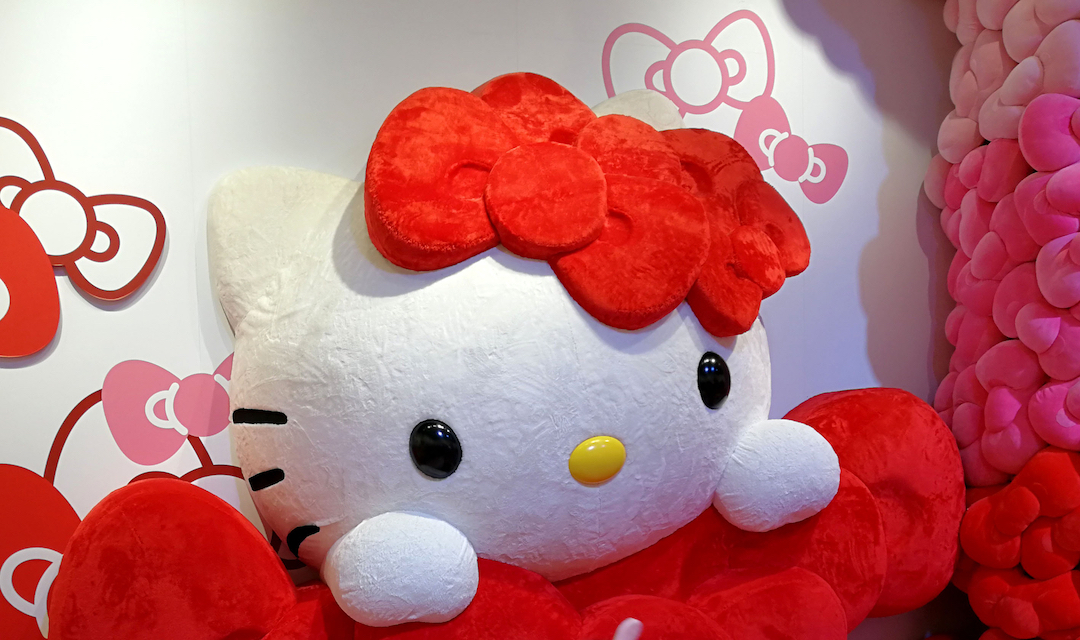
Photo 182202690 © Vyychan | Dreamstime.com
Every cultural phenomenon starts with a humble beginning, and Hello Kitty is no exception. In 1974, a then-unknown Japanese artist, Yuko Shimizu, sketched a character that would eventually capture hearts globally and rake in over US$80 billion. While Shimizu’s initial creation was simply titled “Unknown White Cat,” it’s now famously known as Hello Kitty.
As the beloved icon celebrates her 50th anniversary this year, Shimizu spoke on the BBC’s Witness History podcast about how this little kitten crawled its way up the ladder to become a worldwide success.
Shimizu began working for Sanrio, a former silk-producing company that got its first breakthrough from selling rubber sandals with a strawberry print. The firm, realizing the crowd’s love of cute things, started enlisting artists to work on character designs, with the simple brief of creating something “kawaii” (cute).
The Unknown White Cat and her simplistic features
Drawing from her childhood memories, Shimizu designed a white kitten with a button nose, an oversized head, and a signature bow over one ear using a Japanese Hude brush pen and Sumi ink. This simple sketch was first printed on a vinyl coin purse, part of a series of products that featured different characters.
if you’ve ever wondered what the first even hello kitty item was, it was this coin purse from 1975 🫶🻠pic.twitter.com/BPVYU2OUMq
— sanrio daily ✨ (@sanriodaily) November 1, 2023
The kitten turned out to be the cat’s meow of the entire collection. It was time to give it a name.
On the name
The artist said she’d often incorporate the word “Hello” into the artwork of the yet-to-be-named feline, so Sanrio leaned into it. The character quickly outgrew her humble beginnings, expanding into books, fabrics, and beyond.
View this post on Instagram
Not just a small-town cat (or girl)
Ensuring Hello Kitty wasn’t just a cute face, Sanrio’s team worked on giving her a full personality and backstory. Living in suburban London, Hello Kitty’s life included her family and companions, with stories that emphasized themes of friendship and adventure.
View this post on Instagram
In a surprising twist, Sanrio later revealed Hello Kitty’s true identity—her real name is Kitty White, hailing from England, and that she isn’t a cat at all!
It adds a bow to Kitty’s multifaceted persona, allowing audiences to connect with her on a deeper level. Her face alone is a blank canvas, with Shimizu noting, “Kitty changes according to who is looking at it… because the face is very simple.”
Audiences project their own experiences and feelings onto Kitty. Shimizu recounts a fan letter from a little girl who said the mouthless icon frequently spoke to her and comforted her during her time in hospital, “which shows how the essence of a kitty’s character can change a great deal depending on who’s looking at her,” she shares with Witness History’s Anoushka Mutanda-Dougherty.
View this post on Instagram
Hello Kitty’s minimalistic yet endearing design resonates with people of all ages as it speaks to their inner child. Shimizu captures this sentiment perfectly: “I think it is natural for humans to find a character cute… The first drawing is something round, with eyes and a nose… and I think deep in their hearts that people retain a deep feeling of nostalgia to that image.”
Hello Kitty, with her universal charm and simple yet soothing presence, continues to be a beloved character across generations, proving that sometimes, the simplest designs leave the most lasting impressions.
[via BBC, ZenPop, Britannica, images via various sources]


