
Mastercard To Start Wiping Out The Iconic Magnetic Stripe From All Cards

Image via Mastercard
By the time 2033 rolls around, Mastercard credit and debit cards will no longer have the signature magnetic strip on its backs anymore.
An innovation brought about by IBM in the 1960s, magnetic stripes allowed banks to house information in a single, neat line on cards. Although they’ve been a vital element of payment cards for decades, the ever-evolving industry has been pushing new requirements in the last few years, seeing a shift in payments to chip-based technology that boast more security.
Today, the newer chip cards are more secure, and many also utilize antennae that enable contactless transactions. For an additional layer of security, biometric cards combine the chips with fingerprints for identity verification.
In a news release, Mastercard states that the company is moving away from the stripe technology, making it the first payments network to do so.
“Newly-issued Mastercard credit and debit cards will not be required to have a stripe starting in 2024 in most markets,” the company shares. “By 2033, no Mastercard credit and debit cards will have magnetic stripes.”
The stripe will begin to disappear in 2024 from Mastercard payment cards in places where chip cards are already widely used; Europe, for example. From 2027 onwards, American banks will also no longer be mandated to incorporate a magnetic stripe into chip cards.
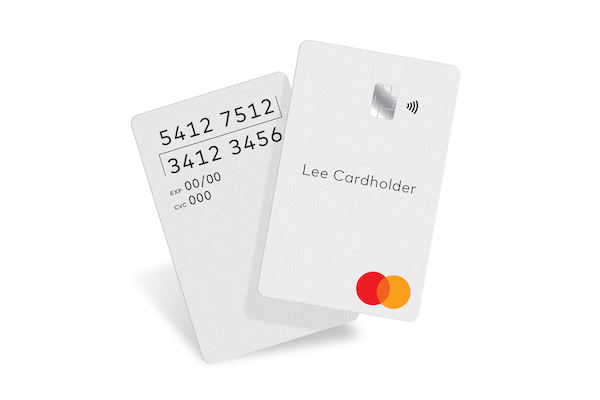
Image via Mastercard
Magnetic stripe technology “paved the way” for electronic payment, and eventually chip cards. Compared to its predecessors of hand-writing card information down and recording it on flatbed imprinting machines, the magnetic stripe offered more security due to its ability to carry out real-time authorization.
Not only did it make it easier for businesses of all sizes to begin accepting card payments, but it also made it easier for shoppers. And easier and easier, as today sees contactless payments carried out without a second thought, with wearable technology on track to surpassing mobile payment modes like Apple Pay and Google Pay.
But all good things come to an end, and it begs the question of which payment company will be the next to make a similar move. Although leaving the stripe behind may be sad, it opens up other pathways for new tech to keep evolving and growing.
[via MarketWatch, images via Mastercard]
Also check out these recent news


