
Shein To Pour $15M Into Factories After Admitting To Labor Violations
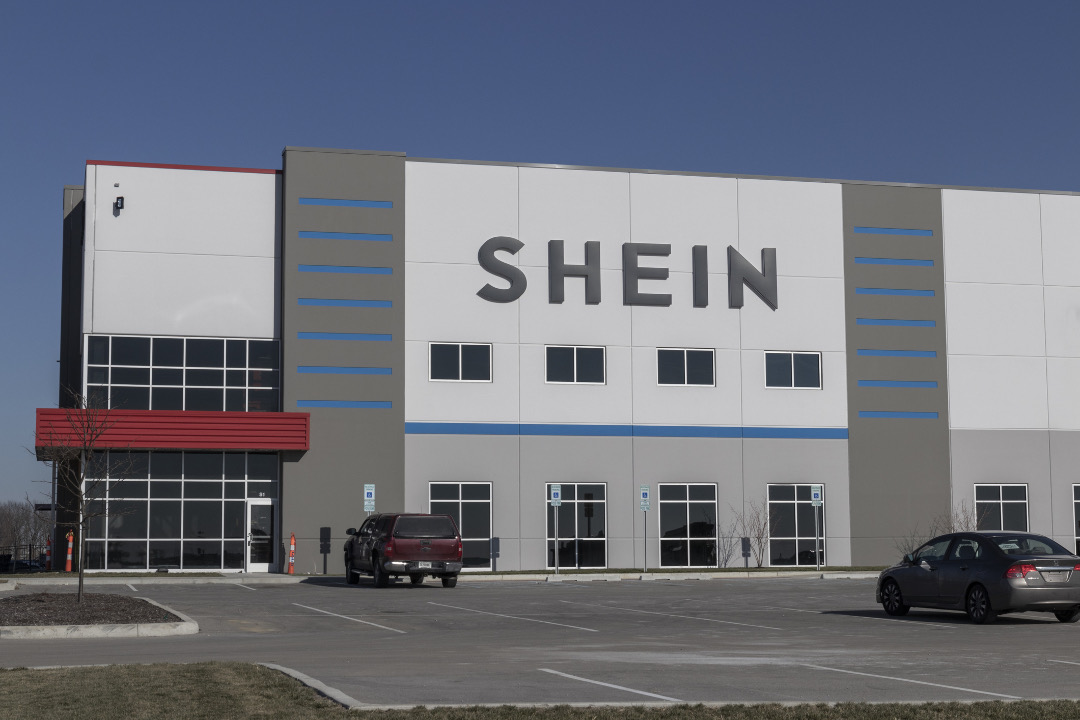
Photo 262292221 © Jonathan Weiss | Dreamstime.com
Depending on who you ask, the name Shein will elicit responses of two extremes. Those wise to the sacrifices made in the name of fast fashion—be they an independent artist’s original work, the quality of the garments, someone’s culture, or the expense of a factory worker—will see it as the ultimate case study and probably grimace at the word. The other camp, oblivious to the murky underpinnings that keep the industry going, will jump at the chance of owning a $5 top that would have cost them 10 times higher elsewhere. It is the latter whose demands always outweigh the others.
This time around, the wildly lucrative fashion e-retailer is biting the bullet, following investigations into how its workers are being treated. The Chinese-owned, Singapore-headquartered e-commerce giant has promised to spend US$15 million to upgrade hundreds of factories as it faces scrutiny over the working hours and wages of employees in its suppliers’ warehouses.
Shein says the money will be spent over the course of the next three to four years, according to a report by Bloomberg.
The company decided to conduct its own investigation to address allegations in a documentary by the UK’s Channel 4 called Untold: Inside the Shein Machine, which went undercover in two facilities in China and found that employees could be working as long as 18 hours a day, and toiling through weekends, with only one day off per month.
The documentary also claimed that workers were compensated as little as 3p (US$0.04) per finished product, and that they were penalized for making mistakes.
As per the Guardian, Shein has lost an already-launched licensed collection with the Rolling Stones as a result of the documentary’s findings and the public’s growing dissent.
In its independent probe, Shein says it found that one supplier facility in China was making its employees work up to 13.5-hour days, with two to three days off a month. Another factory saw workers endure up to 12.5 hours each day, with no fixed schedules for days off.
Shein also recorded the average monthly income of workers in the first factory to be CN¥9,606 (US$1,376) and that of workers at the second site to be CN¥10,026 (US$1,437).
The company defends that although the rates aren’t as extravagant as the ones shared in the documentary, it admits that the hours are longer than expected by local authorities. It has thus reduced orders from the two supplier warehouses by 75% and is giving them until the end of December to make full corrections.
In a comment to members of the press, Adam Whinston—Shein’s head of environmental, social and governance—explains that the company will restore the factories’ expected orders when they “take effective action.”
However, Shein has disputed most other labor abuse accusations put out by the documentary and critics, including one alleging that it withholds wages and another that it fines workers who don’t meet their targets.
Shein asserts that, instead of paying workers per completed item, it offers remuneration for every step of a product’s manufacturing process.
The fast-fashion retailer stresses that employees in the two factories are earning considerably higher than the local minimum wage in factories in Guangzhou, where most of Shein’s supply chain is in place. For context, it says the minimum wage for factory workers in the port city is CN¥2,300 (US$330), while the average salary for employees in the region’s textile and garment sector is about CN¥4,000 (US$573).
Shein intends to ramp up unannounced spot checks and conduct more training so suppliers will keep in line with labor regulations.
[via Bloomberg, Drapers, The Guardian, cover photo 262292221 © Jonathan Weiss | Dreamstime.com]


