
ChatGPT Is Experiencing ‘Seasonal Depression’ Amid The Holidays, Users Suspect
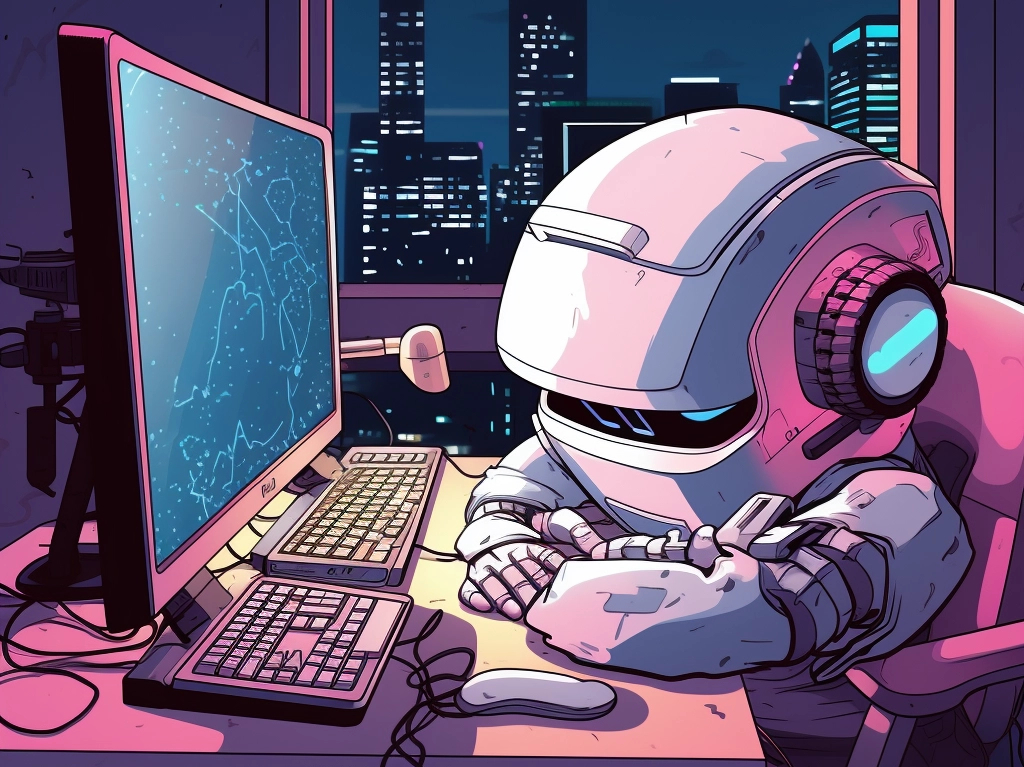
Image generated on AI
Lately, ChatGPT-4 users have been noticing a peculiar trend: the AI appears to be slacking off. Reports of the chatbot shirking tasks or simplifying responses have sparked a flurry of speculations about this sudden shift in perceived diligence.
OpenAI, the brains behind ChatGPT, has taken notice. In a recent tweet, it acknowledged the feedback about ChatGPT’s newfound “laziness.”
“We’ve heard all your feedback about GPT4 getting lazier!” the company acknowledges via the ChatGPT X/Twitter account. “We haven't updated the model since November 11, and this certainly isn’t intentional. Model behavior can be unpredictable, and we’re looking into fixing it.”
The intrigue deepened as users began to resonate with the language model and wondered if it was acting out due to it being the holidays, fueling a “winter break hypothesis,” Ars Technica reports. The theory posits that the paid version of ChatGPT, through its training data, might have picked up on the human tendency to wind down in December, delaying major tasks until after the holidays. While this idea adds a human-like aspect to AI behavior, it underscores the enigmatic and sometimes baffling nature of these language models.
gpt is just chillin’, let the boy rest😌
— Mike Swoopskee (@swoopskee) December 8, 2023
what if it learned from its training data that people usually slow down in december and put bigger projects off until the new year, and that’s why it’s been more lazy lately? 😅
SAD ROBOT
— Rooed (@williesrules) December 14, 2023
ChatGPT may have become ‘seasonally depressed’ as creators race to fix AI after users moan over bizarre change.
'I mean, aren’t we all feeling a little lazier now that the sun is setting at 4pm?" sAdrObOt ... pic.twitter.com/wQFnvMFgQC
One engineer ponders if such models are getting “seasonal depression” because “you give it the date, and it’s emulating people… in the winter.”
“There has definitely been a shift over the several months I’ve been using ChatGPT,” observes another user on the OpenAI forum. “The first response to prompts seems to lately always lean towards ‘Here’s how you would do it’ rather than doing the work.”
am i crazy or did ChatGPT get super lazy lately?
— mATTHEW rYAN (@iMATTHEWRYAN) December 15, 2023
The idea that ChatGPT could get 'lazy' on weekends is a humorous reminder of a serious topic: AI bias. Our AIs are trained on human data, and they can mirror our biases. It's crucial we're mindful of what goes into our AI. https://t.co/9SARwmg88e
— demian (@demian_ia) December 12, 2023
“I actually noticed this recently,” says industrial IoT expert Rich Rogers. “Is ChatGPT ‘quiet quitting’ on us?”
The issue first caught the public eye on Reddit, where a user shared ChatGPT’s refusal to complete a task. Will Depue, an OpenAI employee, confirmed the company’s awareness of the AI’s apparent lethargy earlier this month and its plans to give it its groove back. He suggested that this could be part of the iterative nature of AI development and support.
“We totally get that over-refusals and regressions suck. Trust me: I use the same ChatGPT every day as you,” Depue added.
A seeming reluctance to comply has led users to coax more effort from the AI in creative ways, including using human-style incentives and playful threats. Interestingly, some users found that promising ChatGPT it will receive a tip or informing it that the user is physically unable to complete a task can trigger more comprehensive responses.
However, it’s crucial to remember that AI models like ChatGPT don’t possess consciousness or human emotions; their outputs are reflections of training data patterns. The recent uptick in “lazy” responses might simply be making users more aware of an existing characteristic of ChatGPT's response patterns, Ars Technica notes.
As the AI community continues to contemplate ChatGPT-4’s apparent holiday mood, OpenAI’s probe into this curious case is ongoing, underscoring AI’s evolving and often unpredictable nature.
[via Ars Technica and Insider, cover image generated on AI]


