
Robots Are Given The Sense Of Touch With Their Own ‘Skin & Muscles’
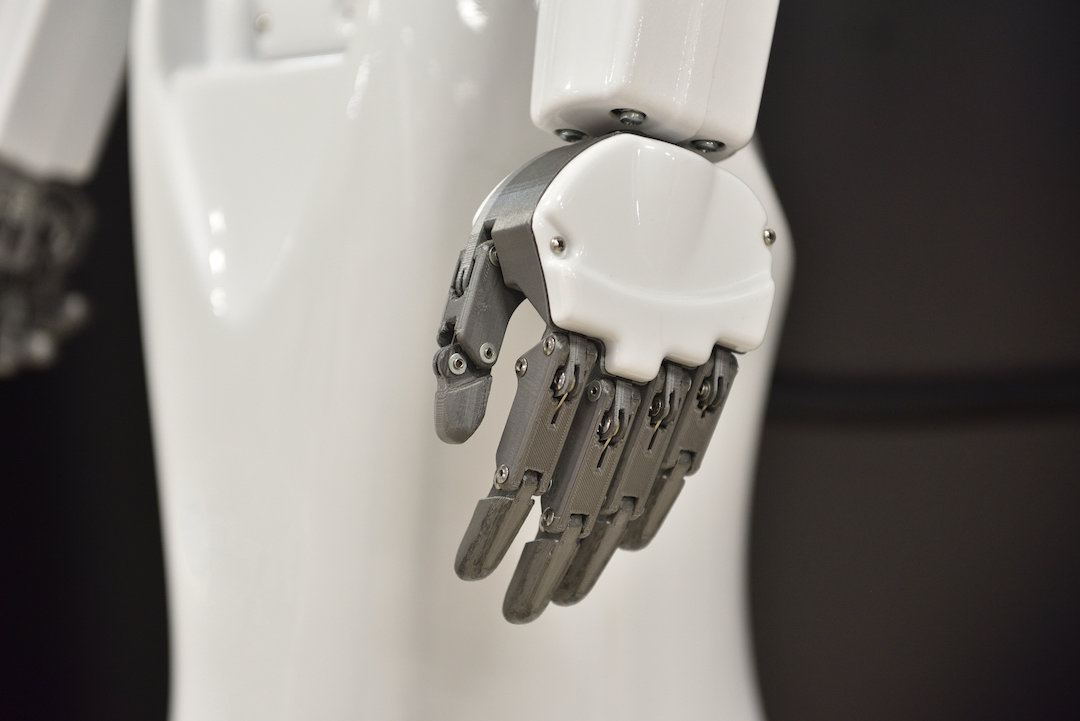
While robots and artificial intelligence have come a long way, they still lack certain human elements—like the sense of touch. To change that, a new startup called PowerON is pairing its robots with sensory skins to make them more efficient.
This isn’t the first time scientists have experimented with creating skins for robots. In 2021, Meta AI researchers and scientists at Carnegie Mellon University came up with ‘ReSkin’. A Tokyo University team also invented “sweaty,” self-healing robotic skin.
Previously, in July of the same year, a team at the National University of Singapore developed a similar smart foam material—AiFoam—that allowed robot hands to sense objects the same way human skin does.
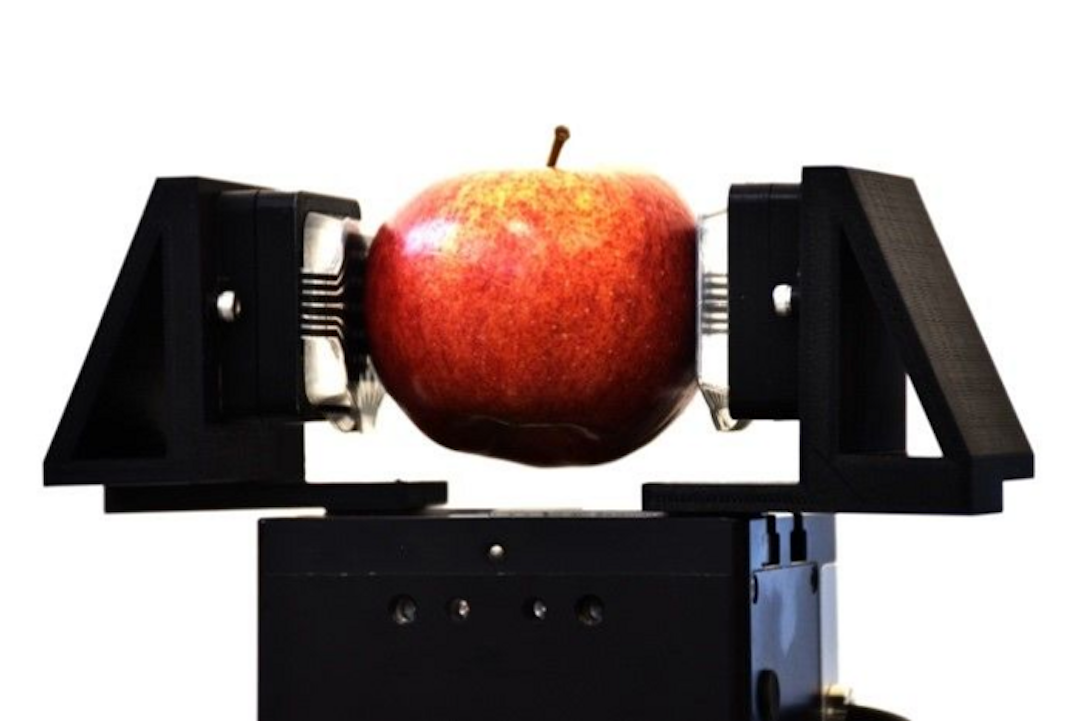
This new sensory material, which was developed by researchers at TU Dresden and the University of Auckland, will be paired with artificial muscles and neurons, finally allowing androids to “feel” through a fingertip.
The firm believes this will help “substantially expand” how robots can be used both in automation and at home, allowing for them to perform more delicate tasks, such as handling fragile items, removing rubber products, or even harvesting produce.
According to a press release, the device, essentially a gripper, will be powered by artificial muscles, which are controlled by the manufactured neurons. The 3D-printed device is made out of flexible materials, without conventional joints.
The team will start practical tests in the coming weeks to test the tactile skin’s capabilities.
[via Interesting Engineering and Technische Universität Dresden / EurekAlert, images via various sources]


