
World Hits Eight Billion People For First Time, But It’s Not All Doom And Gloom
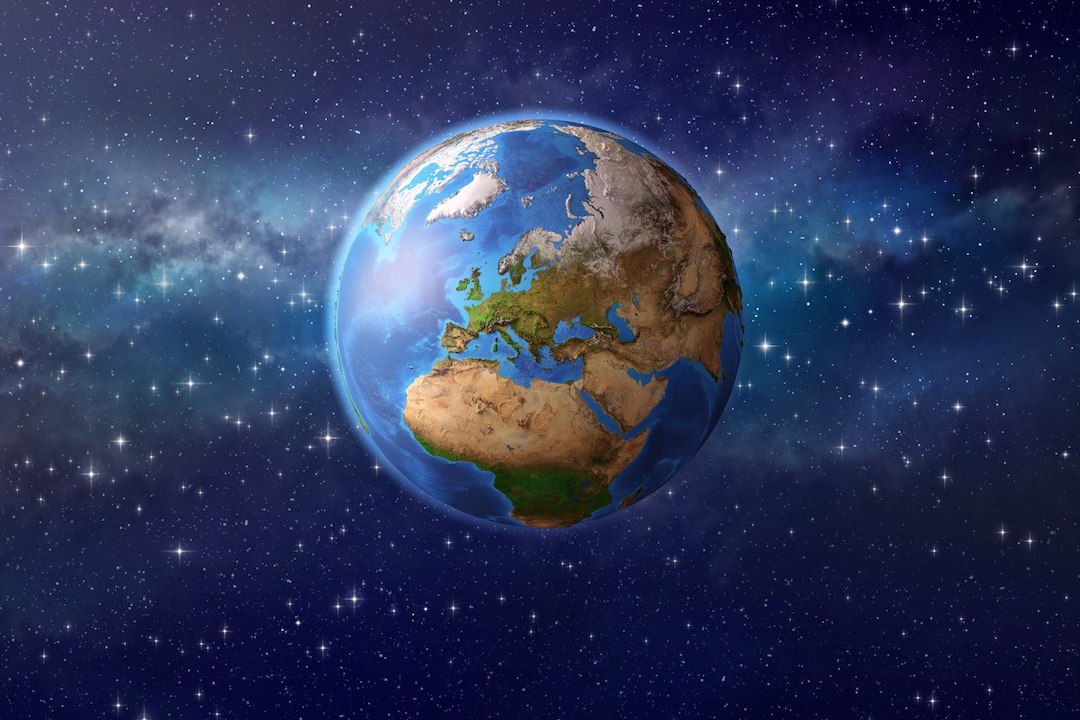
This week, the planet will be home to over eight billion inhabitants, the first time in its history this milestone has been reached. It took over a decade to add a billion more beings from the seven billion mark achieved back in 2011.
While it may seem that there are only more lives ticking up the counter each day, the global population growth has actually slowed. In fact, according to the United Nations’ latest report, the rate at which we’re growing is at its lowest since 1950, or under 1% per year since 2020.
The organization forecasts the next billion people will only be realized in 15 years, and that by 2050, our planet could be looking at a global population of approximately 9.7 billion individuals. How high could that number go?
Well, as per further projections, it appears the number of humans living on the blue planet will peak sometime in the 2080s with an estimated 10.4 billion people. That’s two more billion mouths to feed, bodies to clothe, and humans to shelter.
Indeed, it may seem more of a frightening conclusion than something worth celebrating, but with the advancements being made in science and technology daily, could there be a way for human innovation to help ease the constraints of a growing population?
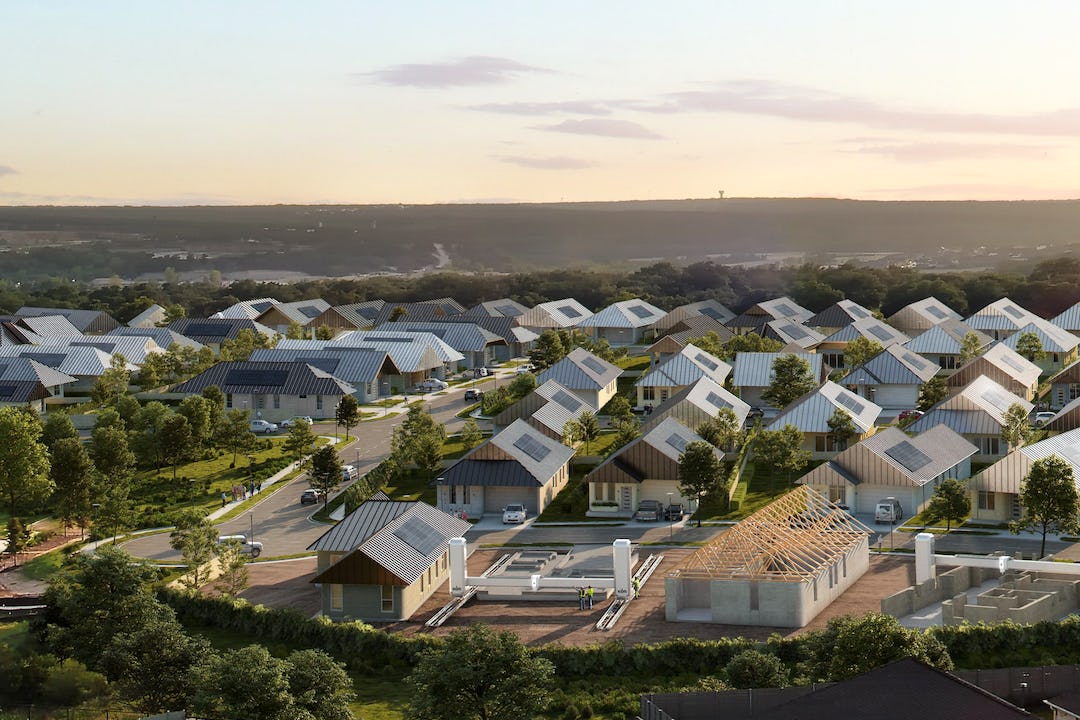
For example, work has just begun on the world’s largest 3D-printed neighborhood, which, if successful, could pave the way for more of such projects to be constructed to meet the demand for better, safer housing.
With a breakthrough robotic construction system, these homes can not only be produced at an unprecedented speed, but will save on waste, allow for more design freedom, and be a more eco-friendly alternative to traditional buildings.
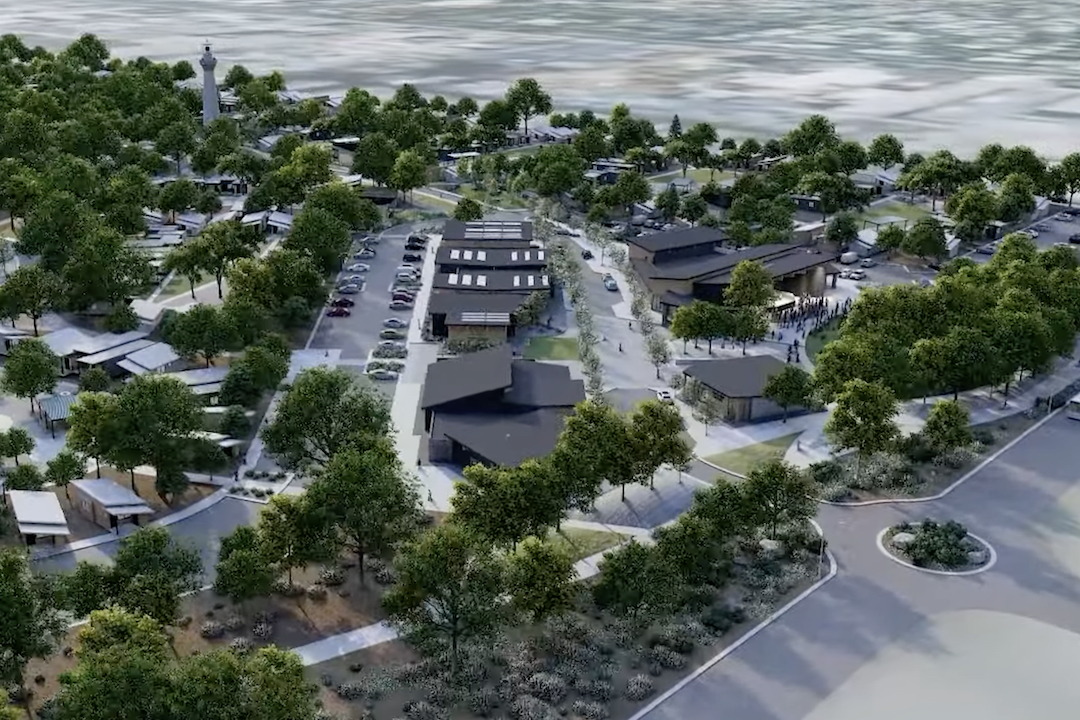
Additionally, more communities have stepped up to think of new ways to provide shelter for those suffering from homelessness, such as this “recovery” village commissioned in Salt Lake City, Utah, to help those without a roof get back on their feet.
In recent years, significant strides have been made in the area of sustenance. From the creation of lab-grown steaks at the same cost as conventional slaughterhouses, to 100% plastic-free takeout boxes, and even recycling food waste into working batteries, there’s no shortage of ideas.
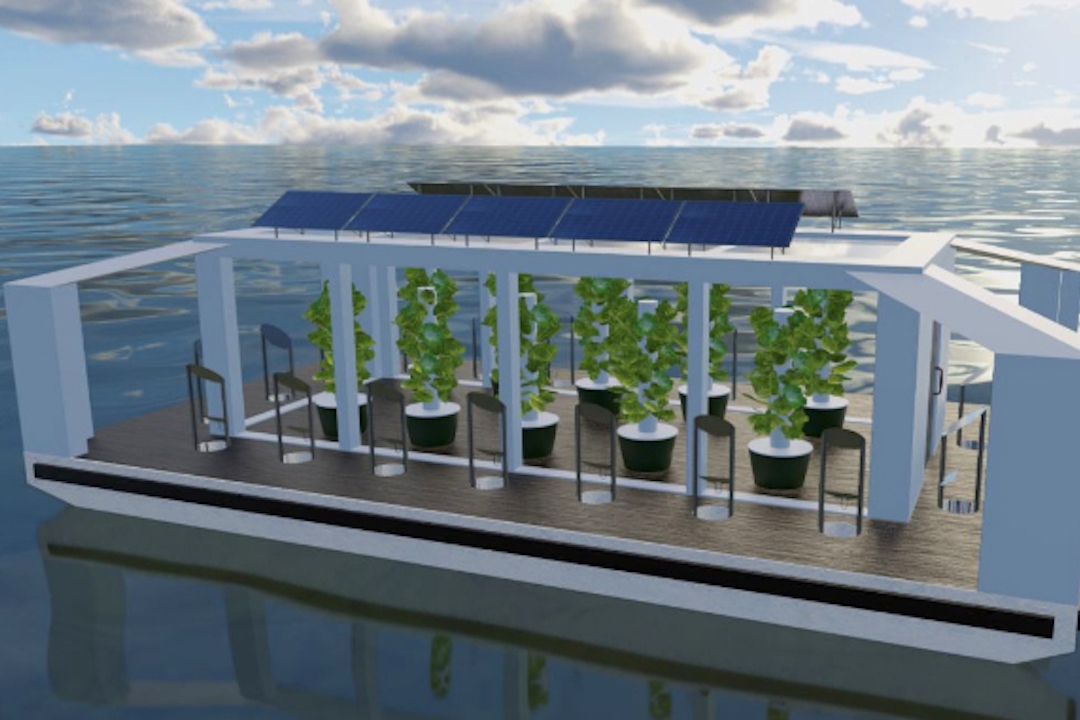
Breakthroughs have been achieved for clean drinking water, too. Earlier this year, scientists found a new way to pull much-needed clean water right out of the air. Another platform, designed by a startup in Abu Dhabi, successfully harnessed sunlight to turn seawater into freshwater.

Following these successes, many big brands have jumped on board the bandwagon. IKEA, one of the largest furniture manufacturers in the world, will soon launch a creative shower solution that recycles water.
Naturally, with more people on Earth, transportation is a key concern—after all, how do we get so many humans from one place to another every day without racking up tons of carbon emissions?
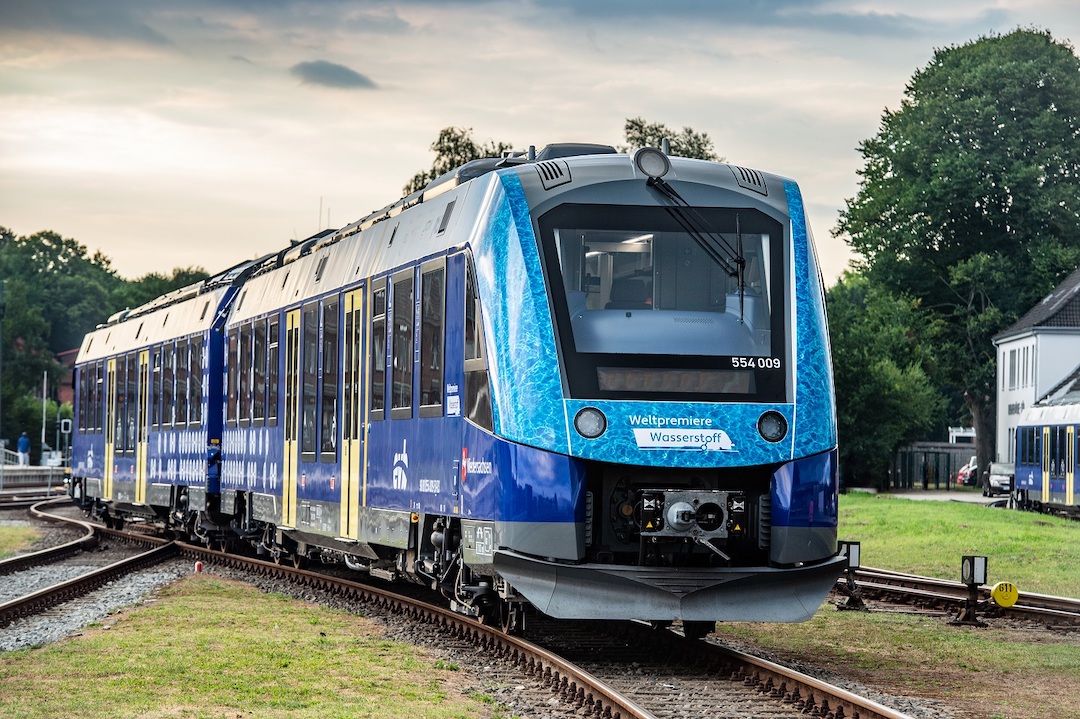
Fortunately, engineers have been at the forefront of environmentally-friendly strategies, including the world’s first hydrogen-powered railway that began its service in Germany this year. Even the good ol’ London buses have gotten more sustainable with new wireless charging technology.
It’s only natural if the thought of adding yet another billion individuals to the planet scares you. Considering how we’re battling against climate change, world hunger, and other crises, our first thought about a growing population may not be too optimistic.
Nonetheless, seeing how scientists, researchers, and engineers across the globe are coming up with innovative, sustainable solutions every day, the reality of eight billion people may not be so bad after all.
[via Gizmodo and United Nations, cover image via Titoonz | Dreamstime.com]


